5% Off Sitewide | Use code KMUS5 on checkout
- Choose your Country

5% Off Sitewide | Use code KMUS5 on checkout
Abstract Expressionism
Abstract Expressionism technically, an important predecessor is surrealism, with its emphasis on spontaneous, automatic or subconscious creation. Jackson Pollock’s dripping paint onto a canvas laid on the floor is a technique that has its roots in the work of Max Ernst. Another important early manifestation of what came to be abstract expressionism is the work of American Northwest artist Mark Tobey, especially his “white writing” canvases, which, though generally not large in scale, anticipate the “all over” look of Pollock’s drip paintings.
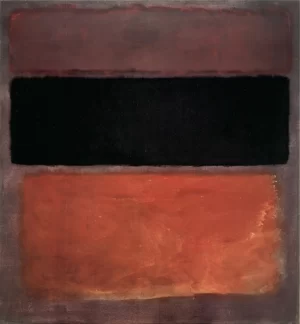
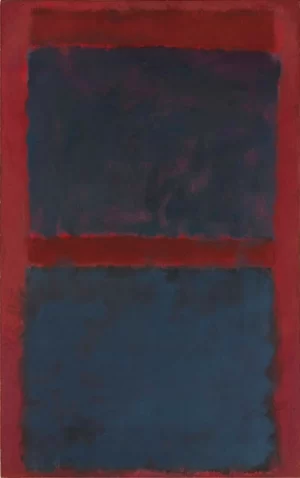
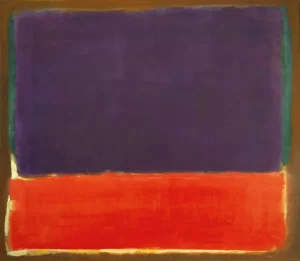
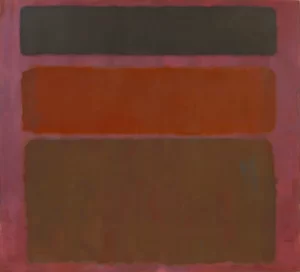
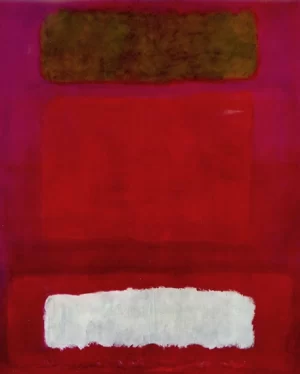
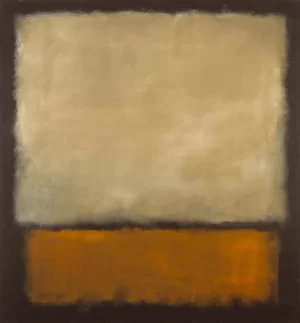
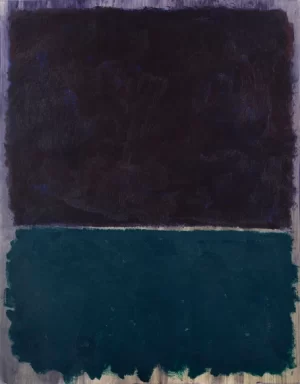
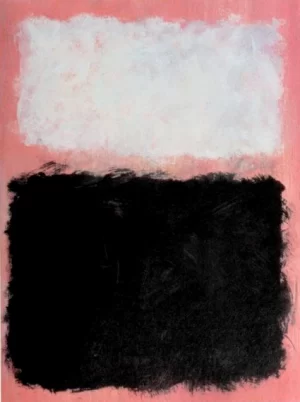
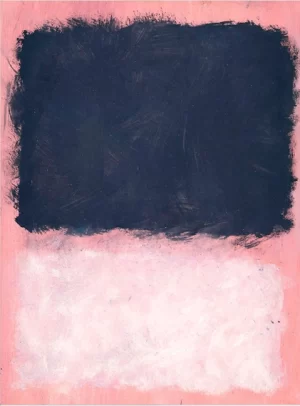
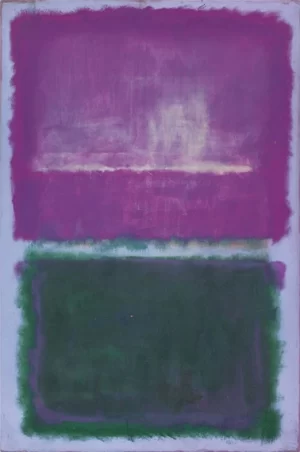
The movement’s name is derived from the combination of the emotional intensity and self-denial of the German Expressionists with the anti-figurative aesthetic of the European abstract schools such as Futurism, the Bauhaus and Synthetic Cubism. Additionally, it has an image of being rebellious, anarchic, highly idiosyncratic and, some feel, nihilistic. In practice, the term is applied to any number of artists working (mostly) in New York who had quite different styles and even to work that is neither especially abstract nor Expressionist. Pollock’s energetic “action paintings”, with their “busy” feel, are different, both technically and aesthetically, from the violent and grotesque Women series of Willem de Kooning’s figurative paintings) and the rectangles of color in Mark Rothko’s Color Field paintings (which are not what would usually be called expressionist and which Rothko denied were abstract). Yet all three artists are classified as abstract expressionists.
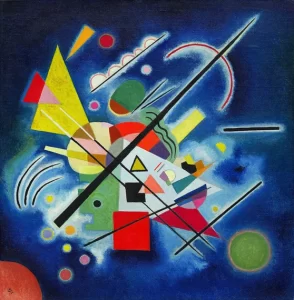
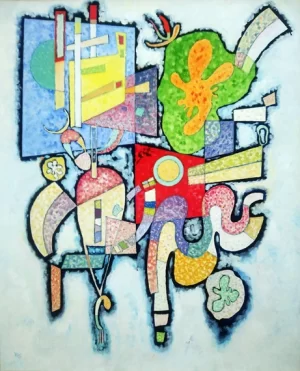
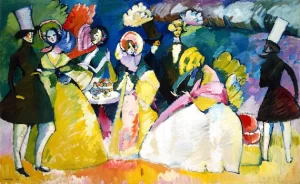
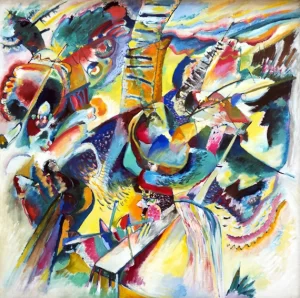
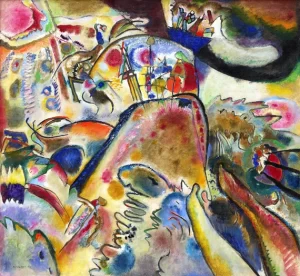
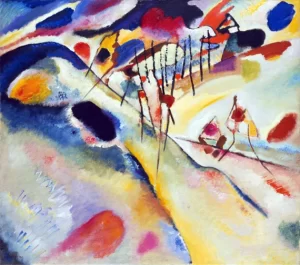
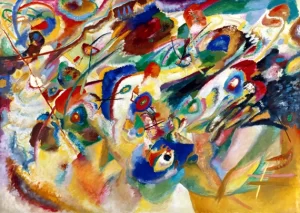
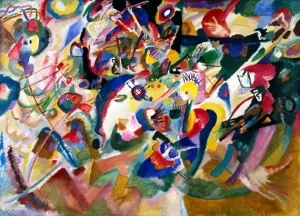
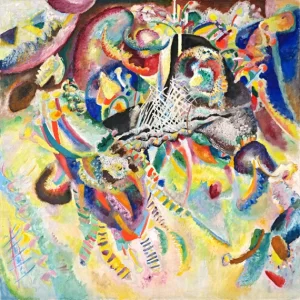
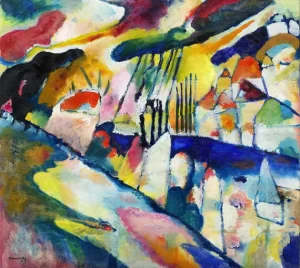
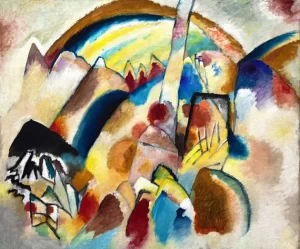
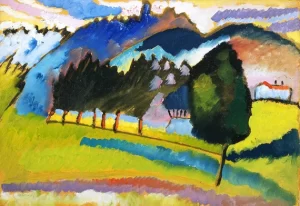
Abstract expressionism has many stylistic similarities to the Russian artists of the early twentieth century such as Wassily Kandinsky. Although it is true that spontaneity or the impression of spontaneity characterized many of the abstract expressionists works, most of these paintings involved careful planning, especially since their large size demanded it. With artists like Paul Klee, Wassily Kandinsky, Emma Kunz, and later on Rothko, Barnett Newman and Agnes Martin, abstract art clearly implied expression of ideas concerning the spiritual, the unconscious and the mind.
Why this style gained mainstream acceptance in the 1950s is a matter of debate. American social realism had been the mainstream in the 1930s. It had been influenced not only by the Great Depression but also by the Social Realists of Mexico such as David Alfaro Siqueiros and Diego Rivera. The political climate after World War II did not long tolerate the social protests of these painters. Abstract expressionism arose during World War II and began to be showcased during the early forties at galleries in New York like The Art of This Century Gallery. The McCarthy era after World War II was a time of extreme artistic censorship in the United States. Since the subject matter was often totally abstract it became a safe strategy for artists to pursue this style. Abstract art could be seen as apolitical. Or if the art was political, the message was largely for the insiders.
While the movement is closely associated with painting, and painters like Arshile Gorky, Franz Kline, Clyfford Still, Hans Hofmann, Willem de Kooning, Jackson Pollock and others, collagist Anne Ryan and sculpture and certain sculptors in particular were also integral to Abstract expressionism. David Smith, and his wife Dorothy Dehner, Herbert Ferber, Isamu Noguchi, Ibram Lassaw, Theodore Roszak, Phillip Pavia, Mary Callery, Richard Stankiewicz, Louise Bourgeois, and Louise Nevelson in particular were some of the sculptors considered as being important members of the movement. In addition, the artists David Hare, John Chamberlain, James Rosati, Mark di Suvero, and sculptors Richard Lippold, Herbert Ferber, Raoul Hague, George Rickey, Reuben Nakian, and even Tony Smith, Seymour Lipton, Joseph Cornell, and several others were integral parts of the Abstract expressionist movement. Many of the sculptors listed participated in the Ninth Street Show the famous exhibition curated by Leo Castelli on East Ninth Street in New York City in 1951. Besides the painters and sculptors of the period the New York School of Abstract expressionism also generated a number of supportive poets, like Frank O’Hara and photographers like Aaron Siskind and Fred McDarrah, (whose book The Artist’s World in Pictures documented the New York School during the 1950s), and filmmakers notably Robert Frank as well.
Although the abstract expressionist school spread quickly throughout the United States, the major centers of this style were New York City, and the San Francisco Bay area of California.
In the 1940s there were not only few galleries (The Art of This Century) but also few critics who were willing to follow the work of the New York Vanguard. There were also a few artists with a literary background, among them Robert Motherwell and Barnett Newman who functioned as critics as well.
While New York and the world were yet unfamiliar with the New York avant-garde by the late 1940s, most of the artists who have become household names today had their well established patron critics: Clement Greenberg advocated Jackson Pollock and the color field painters like Clyfford Still, Mark Rothko, Barnett Newman, Adolph Gottlieb and Hans Hofmann. Harold Rosenberg seemed to prefer the action painters like Willem de Kooning, Franz Kline and Louis Schanker. Thomas B. Hess, the managing editor of ARTnews, championed Willem de Kooning. Willem De Kooning, Woman V, 1952–1953. De Kooning’s series of Woman paintings in the early 1950s caused a stir in the New York City avant-garde circle.
The new critics elevated their proteges by casting other artists as “followers” or ignoring those who did not serve their promotional goal.
As an example, in 1958, Mark Tobey “became the first American painter since Whistler (1895) to win top prize at the Venice Biennale. New York’s two leading art magazines were not interested. Arts mentioned the historic event only in a news column and ARTnews (Managing editor: Thomas B. Hess) ignored it completely. The New York Times and Life printed feature articles.” Barnett Newman, Onement 1, 1948. During the 1940s Barnett Newman wrote several important articles about the new American painting.
Barnett Newman, a late member of the Uptown Group, wrote catalogue forewords and reviews, and by the late 1940s became an exhibiting artist at Betty Parsons Gallery. His first solo show was in 1948. Soon after his first exhibition, Barnett Newman remarked in one of the Artists’ Session at Studio 35: “We are in the process of making the world, to a certain extent, in our own image.” Utilizing his writing skills, Newman fought every step of the way to reinforce his newly established image as an artist and to promote his work. An example is his letter in April 9, 1955, “Letter to Sidney Janis: – it is true that Rothko talks the fighter. He fights, however, to submit to the philistine world. My struggle against bourgeois society has involved the total rejection of it.”
Strangely the person thought to have had most to do with the promotion of this style was a New York Trotskyite Clement Greenberg. As long time art critic for the Partisan Review and The Nation, he became an early and literate proponent of abstract Expressionism. The well-heeled artist Robert Motherwell joined Greenberg in promoting a style that fit the political climate and the intellectual rebelliousness of the era.
Clement Greenberg proclaimed abstract Expressionism and Jackson Pollock in particular as the epitome of aesthetic value. It supported Pollock’s work on formalistic grounds as simply the best painting of its day and the culmination of an art tradition going back via Cubism and Cezanne to Monet, in which painting became ever ‘purer’ and more concentrated in what was ‘essential’ to it, the making of marks on a flat surface.
Jackson Pollock’s work has always polarised critics. Harold Rosenberg spoke of the transformation of painting into an existential drama in Pollock’s work, in which “what was to go on the canvas was not a picture but an event”. “The big moment came when it was decided to paint ‘just to paint’. The gesture on the canvas was a gesture of liberation from value – political, aesthetic, moral.”
One of the most vocal critics of abstract expressionism at the time was New York Times art critic John Canaday. Meyer Shapiro, and Leo Steinberg along with Clement Greenberg and Harold Rosenberg were important art historians of the post-war era who voiced support for abstract expressionism. During the early to mid sixties younger art critics Michael Fried, Rosalind Krauss and Robert Hughes added considerable insights into the critical dialectic that continues to grow around abstract expressionism.
After World War II
The post-war period left the capitals of Europe in upheaval with an urgency to economically and physically rebuild and to politically regroup. In Paris, formerly the center of European culture and capital of the art world, the climate for art was a disaster. Modernist artists, writers, and poets, as well as important collectors and dealers, had fled Europe and the onslaught of the Nazis for safe haven in the United States. Many of those who didn’t flee perished. A few artists, notably Pablo Picasso, Henri Matisse and Pierre Bonnard remained in France and survived.
In Europe after the war there was the continuation of surrealism, Cubism, Dada and the works of Matisse. Also in Europe, Art brut, and Tachisme (the European equivalent to Abstract expressionism) took hold of the newest generation. Serge Poliakoff, Nicolas de Stael, Georges Mathieu, Vieira da Silva, Jean Dubuffet, Yves Klein and Pierre Soulages among others are considered important figures in post-war European painting.
Action painting and Color field
The style was widespread from the 1940s until the early 1960s, and is closely associated with abstract expressionism (some critics have used the terms action painting and abstract expressionism interchangeably). A comparison is often drawn between the American action painting and the French tachisme.
The term was coined by the American critic Harold Rosenberg in 1952 and signaled a major shift in the aesthetic perspective of New York School painters and critics. According to Rosenberg the canvas was “an arena in which to act”. While abstract expressionists such as Jackson Pollock, Franz Kline and Willem de Kooning had long been outspoken in their view of a painting as an arena within which to come to terms with the act of creation, earlier critics sympathetic to their cause, like Clement Greenberg, focused on their works’ “objectness.” To Greenberg, it was the physicality of the paintings’ clotted and oil-caked surfaces that was the key to understanding them as documents of the artists’ existential struggle.
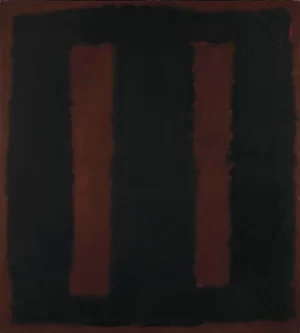
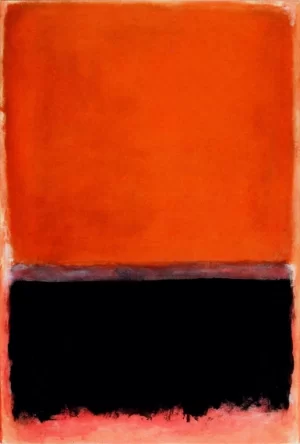
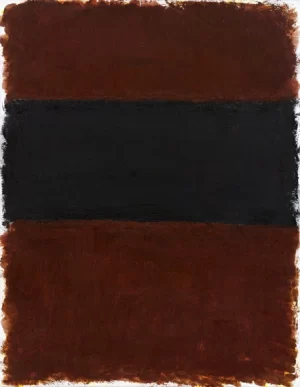
Color Field painting initially referred to a particular type of abstract expressionism, especially the work of Mark Rothko, Clyfford Still, Barnett Newman, Robert Motherwell, Adolph Gottlieb, Ad Reinhardt and several series of paintings by Joan Miro. Art critic Clement Greenberg perceived Color Field painting as related to but different from Action painting. The Color Field painters sought to rid their art of superfluous rhetoric. Artists like Robert Motherwell, Clyfford Still, Mark Rothko, Adolph Gottlieb, Hans Hofmann, Helen Frankenthaler, Sam Francis, Mark Tobey (see gallery) and especially Barnett Newman (see below) and Ad Reinhardt used greatly reduced references to nature, and they painted with a highly articulated and psychological use of color. In general these artists eliminated recognizable imagery. In the case of Rothko and Gottlieb sometimes using symbol and sign as replacement of imagery. Certain artists quoted references to past or present art, but in general color field painting presents abstraction as an end in itself. In pursuing this direction of modern art, artists wanted to present each painting as one unified, cohesive, monolithic image.
Although Abstract expressionism spread quickly throughout the United States, the major centers of this style were New York City and California, especially in the New York School, and the San Francisco Bay area. Abstract expressionist paintings share certain characteristics, including the use of large canvases, an “all-over” approach, in which the whole canvas is treated with equal importance (as opposed to the center being of more interest than the edges. The canvas as the arena became a credo of Action painting, while the integrity of the picture plane became a credo of the Color field painters.
Read moreShowing 301–400 of 624 results

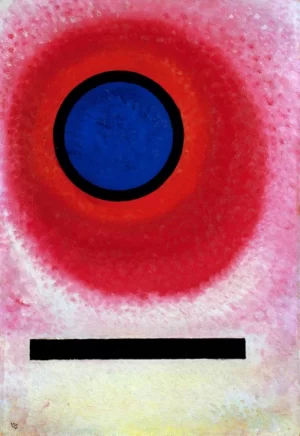
Blauer Kreis No. 2 (Cercle Bleu II)
By Wassily KandinskySizes starting at $299.00
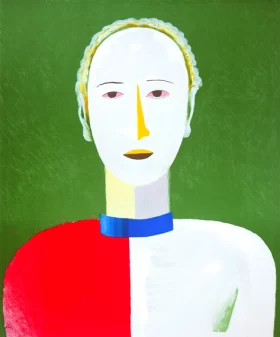
Happy Man
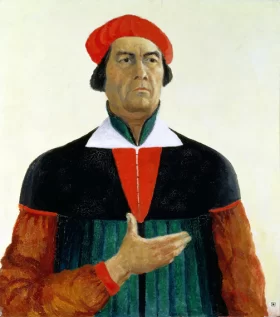
By Kazimir MalevichSizes starting at $249.00
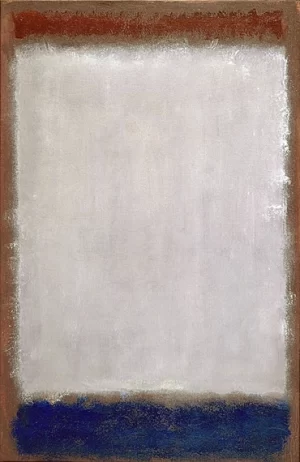
Lavender And Mulberry
By Mark Rothko (Inspired by)Sizes starting at $319.00
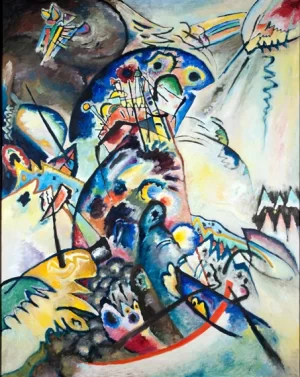
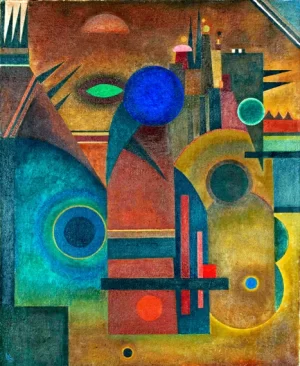
Blue Crest (1917)
By Wassily KandinskySizes starting at $279.00Girl 1932
By Kazimir MalevichSizes starting at $259.00
No. 10, Brown, Black, Sienna On Dark Wine,
By Mark Rothko (Inspired by)Sizes starting at $259.00
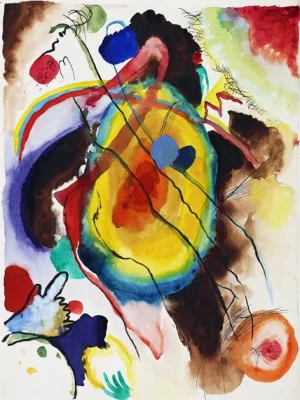
Blue Painting
By Wassily KandinskySizes starting at $249.00
Girl with a Comb in her Hair 1933
By Kazimir MalevichSizes starting at $249.00
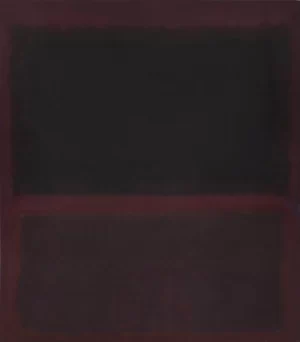
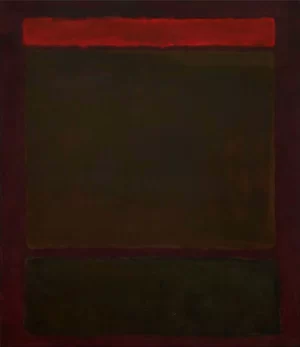
Untitled (Black On Maroon)
By Mark Rothko (Inspired by)Sizes starting at $319.00
Girl with a red pole
By Kazimir MalevichSizes starting at $269.00
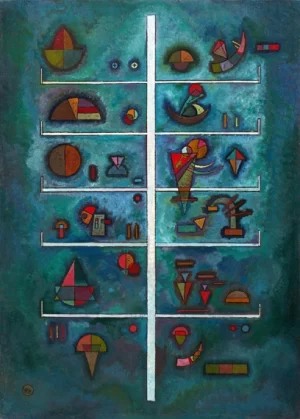
Levels (Etagen)
By Wassily KandinskySizes starting at $299.00
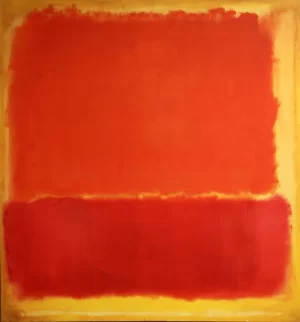
No. 12
By Mark Rothko (Inspired by)Sizes starting at $259.00
Blue
By Wassily KandinskySizes starting at $299.00
No. 12, 1960
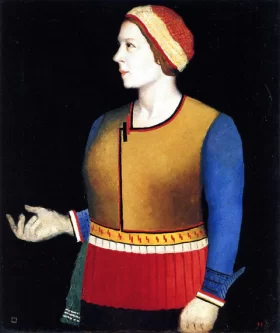
By Mark Rothko (Inspired by)Sizes starting at $259.00Portrait Of The Artist’s Wife
By Kazimir MalevichSizes starting at $269.00
Braunes Schweigen
By Wassily KandinskySizes starting at $279.00
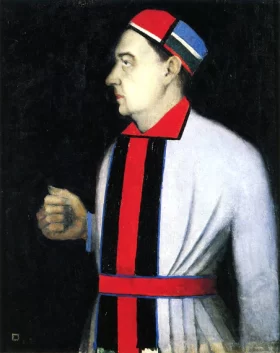
Male Portrait
By Kazimir MalevichSizes starting at $279.00
Untitled – 1968
By Mark Rothko (Inspired by)Sizes starting at $299.00
Bright Unity (Helle Einheit)
By Wassily KandinskySizes starting at $299.00
No. 14 – 1951
By Mark Rothko (Inspired by)Sizes starting at $279.00
Self-portrait 1933
By Kazimir MalevichSizes starting at $259.00
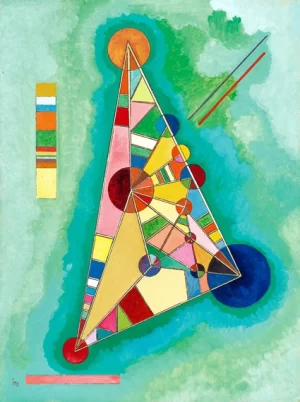
Bunt Im Dreieck (Bigarrure Dans Le Triangle)
By Wassily KandinskySizes starting at $289.00
No. 14 (Horizontals, White Over Darks)
By Mark Rothko (Inspired by)Sizes starting at $339.00
Self-Portrait
By Kazimir MalevichSizes starting at $249.00
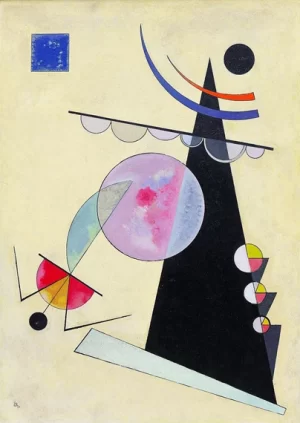
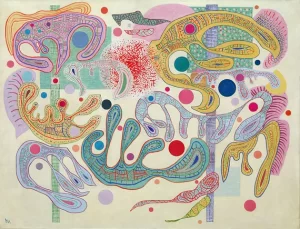
Capricious Forms (Formes Capricieuses)
By Wassily KandinskySizes starting at $289.00
White Stripe
By Mark Rothko (Inspired by)Sizes starting at $259.00
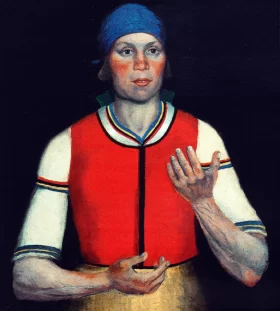
Worker
By Kazimir MalevichSizes starting at $259.00
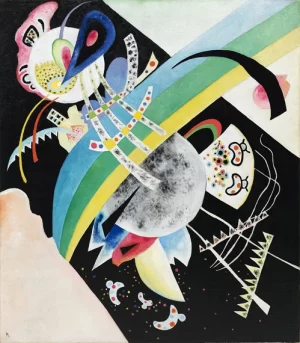
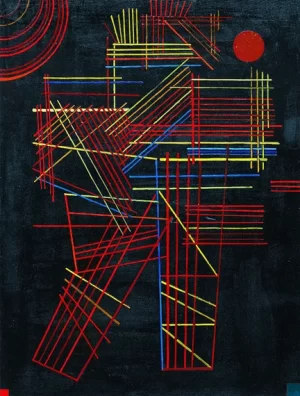
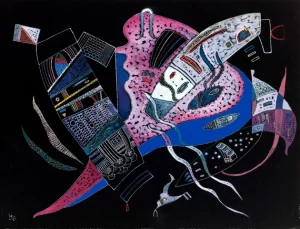
Circles On Black
By Wassily KandinskySizes starting at $259.00
Landscape with White House 1929
By Kazimir MalevichSizes starting at $249.00
Untitled
By Mark Rothko (Inspired by)Sizes starting at $269.00Black On Maroon
By Mark Rothko (Inspired by)Sizes starting at $259.00
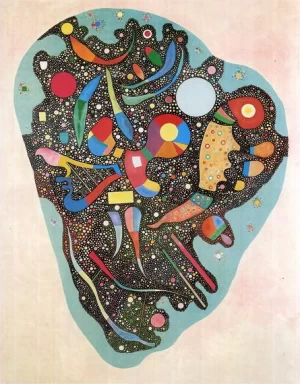
Coloful Ensemble
By Wassily KandinskySizes starting at $279.00
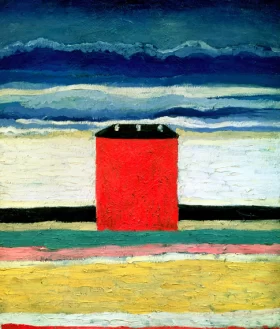
Red House 1932
By Kazimir MalevichSizes starting at $249.00
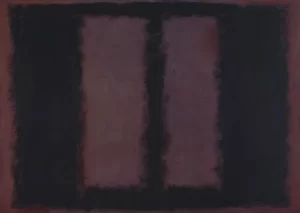
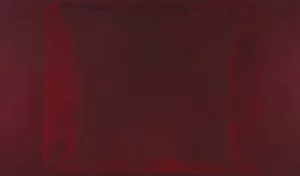
Black On Maroon 1958
By Mark Rothko (Inspired by)Sizes starting at $299.00
Colored Sticks (Bunte Stäbchen)
By Wassily KandinskySizes starting at $289.00
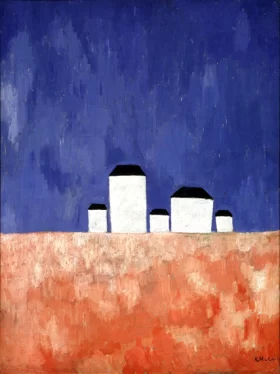
Landscape with Five Houses 1932
By Kazimir MalevichSizes starting at $269.00
Black On Maroon 1959
By Mark Rothko (Inspired by)Sizes starting at $349.00
Complex Simple
By Wassily KandinskySizes starting at $279.00
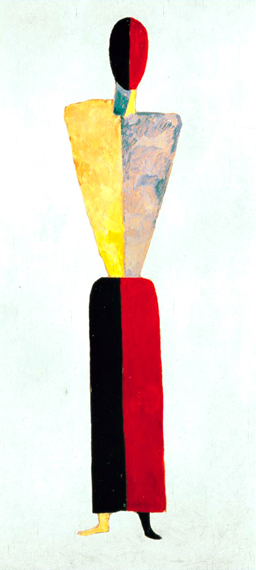
The Girl, Figure on White
By Kazimir MalevichSizes starting at $389.00Black On Maroon, 1958
By Mark Rothko (Inspired by)Sizes starting at $259.00Concentré
By Wassily KandinskySizes starting at $289.00
Womanfigure
By Kazimir MalevichSizes starting at $379.00
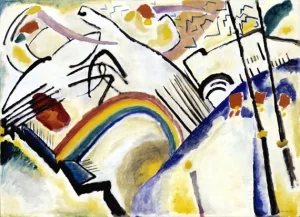
Cossacks
By Wassily KandinskySizes starting at $319.00
Red Cavalry Riding
By Kazimir MalevichSizes starting at $299.00
Red On Maroon 1959
By Mark Rothko (Inspired by)Sizes starting at $459.00
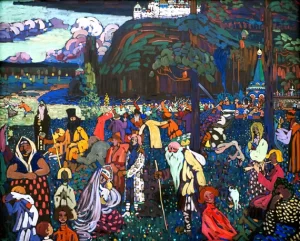
Das Bunte Leben (Colorful Life)
By Wassily KandinskySizes starting at $279.00
Peasant Between a Cross and a Sword
By Kazimir MalevichSizes starting at $249.00Red On Maroon 1959
By Mark Rothko (Inspired by)Sizes starting at $459.00
Bather 1911
By Kazimir MalevichSizes starting at $289.00
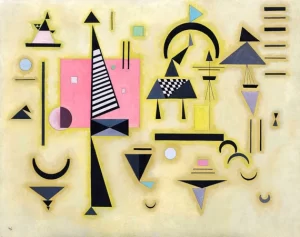
Decisive Pink
By Wassily KandinskySizes starting at $299.00
Red On Maroon 1959
By Mark Rothko (Inspired by)Sizes starting at $349.00
Design To A Mural For Edwin R. Campbell
By Wassily KandinskySizes starting at $289.00
No. 14
By Mark Rothko (Inspired by)Sizes starting at $259.00
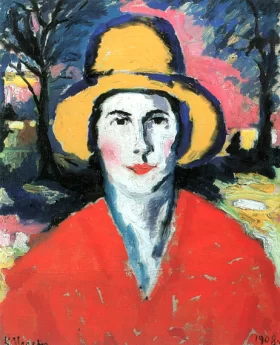
Portrait of Woman in Yellow Hat 1930
By Kazimir MalevichSizes starting at $259.00
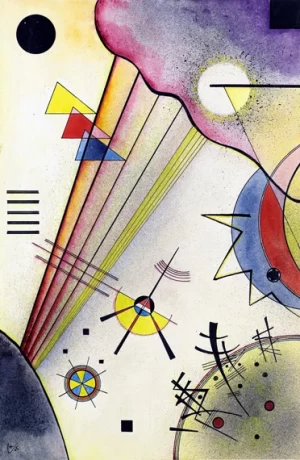
Deutliche Verbindung (Clear Connection)
By Wassily KandinskySizes starting at $319.00
Head of Peasant 1932
By Kazimir MalevichSizes starting at $239.00
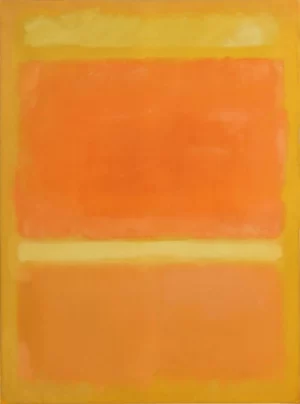
Untitled (Yellow, Orange, Yellow, Light Orange)
By Mark Rothko (Inspired by)Sizes starting at $299.00
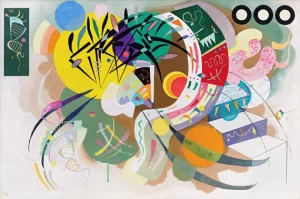
Dominant Curve (Courbe Dominante)
By Wassily KandinskySizes starting at $329.00
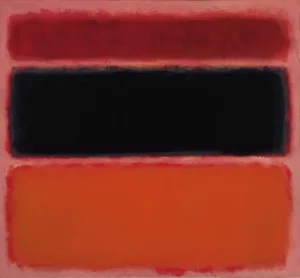
No. 16 (Red, Brown, And Black) 1958
By Mark Rothko (Inspired by)Sizes starting at $259.00
Portrait of Una 1932
By Kazimir MalevichSizes starting at $279.00
Group In Crinolines (Reifrockgesellschaft)
By Wassily KandinskySizes starting at $359.00
No. 16 (Red, White, And Brown)
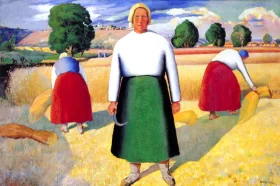
By Mark Rothko (Inspired by)Sizes starting at $279.00Reapers
By Kazimir MalevichSizes starting at $309.00
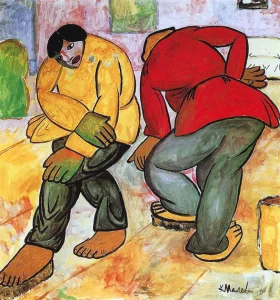
Floor Polishers 1911
By Kazimir MalevichSizes starting at $239.00
No. 24 (Untitled), 1951
By Mark Rothko (Inspired by)Sizes starting at $379.00
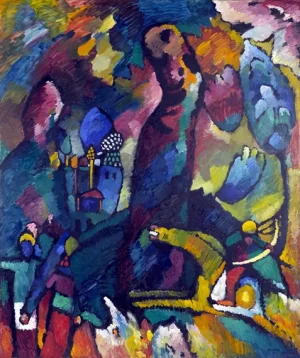
Picture With An Archer
By Wassily KandinskySizes starting at $269.00
No. 36 (Black Stripe)
By Mark Rothko (Inspired by)Sizes starting at $269.00
Ravine Improvisation
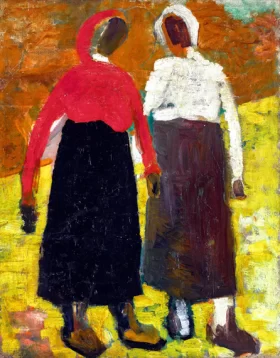
By Wassily KandinskySizes starting at $249.00Two Peasant Figures
By Kazimir MalevichSizes starting at $259.00
No. 46 (Black, Ochre, Red Over Red), 1957
By Mark Rothko (Inspired by)Sizes starting at $279.00
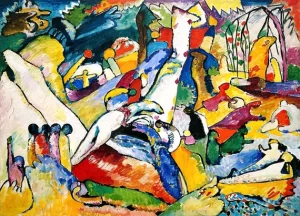
Study To Composition II
By Wassily KandinskySizes starting at $319.00
Woman with a saw
By Kazimir MalevichSizes starting at $269.00
Et. fig
By Kazimir MalevichSizes starting at $279.00No.7 (Dark Brown, Gray, Orange), 1963
By Mark Rothko (Inspired by)Sizes starting at $259.00
Small Pleasures
By Wassily KandinskySizes starting at $269.00
Dunaberg Near Murnau
By Wassily KandinskySizes starting at $279.00
No.8
By Mark Rothko (Inspired by)Sizes starting at $299.00
untitled
By Kazimir MalevichSizes starting at $259.00Draft 2 To Composition VII
By Wassily KandinskySizes starting at $299.00Untitled
By Mark Rothko (Inspired by)Sizes starting at $279.00
untitled
By Kazimir MalevichSizes starting at $249.00Draft 3 To “Composition VII”
By Wassily KandinskySizes starting at $319.00No.3, 1953
By Mark Rothko (Inspired by)Sizes starting at $279.00Training Task
By Kazimir MalevichSizes starting at $279.00
Fugue
By Wassily KandinskySizes starting at $249.00The Black And The White, 1956
By Mark Rothko (Inspired by)Sizes starting at $289.00
Winter landscape 1929
By Kazimir MalevichSizes starting at $239.00
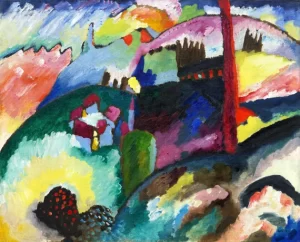
Landscape With Factory Chimney
By Wassily KandinskySizes starting at $279.00
Spring Landscape
By Kazimir MalevichSizes starting at $299.00
Untitled – 1953
By Mark Rothko (Inspired by)Sizes starting at $309.00
Landscape 1911
By Kazimir MalevichSizes starting at $229.00
Landscape With Rain
By Wassily KandinskySizes starting at $259.00
Untitled
By Mark Rothko (Inspired by)Sizes starting at $289.00
Landscape With Red Spots, No. 2
By Wassily KandinskySizes starting at $289.00The white horse
By Kazimir MalevichSizes starting at $269.00
Untitled (Grey And White On Purple), 1967
By Mark Rothko (Inspired by)Sizes starting at $299.00
Landscape With Rolling Hills
By Wassily KandinskySizes starting at $309.00River In The Forest
By Kazimir MalevichSizes starting at $259.00
Untitled (Lavender And Green)
By Mark Rothko (Inspired by)Sizes starting at $309.00Female Bathers
By Kazimir MalevichSizes starting at $259.00