5% Off Sitewide | Use code KMUS5 on checkout
- Choose your Country

5% Off Sitewide | Use code KMUS5 on checkout
Fauvism
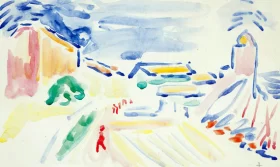
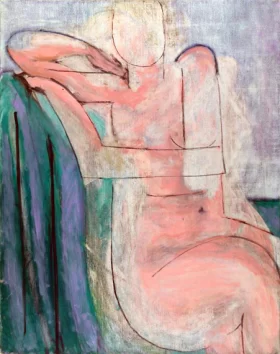
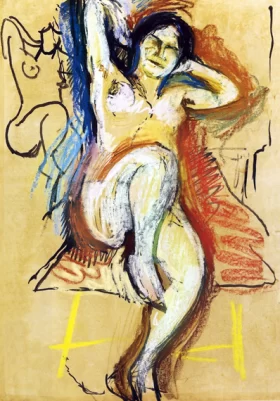
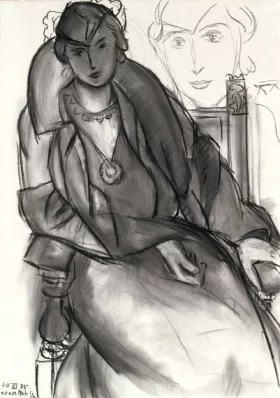
The Fauvism art movement, which emerged in the early 20th century, was a radical departure from traditional approaches to painting. Led by a group of avant-garde artists including Henri Matisse, André Derain, and Raoul Dufy, Fauvism introduced a bold and vibrant style characterized by vivid colors, expressive brushwork, and a disregard for naturalistic representation. The movement, named after the French word “les fauves” meaning “wild beasts,” shocked the art world with its audacious use of color and marked a pivotal moment in the development of modern art.
Fauvism was a reaction against the restrained palette and academic conventions of the late 19th century. Fauvist artists sought to break free from the confines of realistic representation and explore the expressive potential of color. They rejected the notion that art should imitate nature faithfully, instead prioritizing emotional and aesthetic impact. Fauvism was characterized by its bold, non-naturalistic use of color, where artists employed intense and arbitrary hues to convey subjective responses to the world around them.
The Fauvists drew inspiration from various sources, including Post-Impressionism and the works of Vincent van Gogh, Paul Gauguin, and Paul Cézanne. They were particularly influenced by the strong use of color and expressive brushwork found in these artists’ works. The Fauvists sought to capture the essence of a subject by distilling its emotional impact through color and form.
Henri Matisse, one of the leading figures of Fauvism, played a pivotal role in shaping the movement. His bold use of color and simplified forms became hallmarks of Fauvist style. Matisse believed that color had the power to evoke emotions and express the artist’s inner world. His paintings such as “The Joy of Life” and “Woman with a Hat” exemplify the Fauvist aesthetic with their vibrant and arbitrary color choices, energetic brushwork, and flattened perspective.
André Derain, another prominent Fauvist artist, developed his own unique style within the movement. Derain’s works often showcased the juxtaposition of complementary colors and emphasized the structural elements of a composition. His paintings such as “Charing Cross Bridge” and “The Dance” exhibit a dynamic interplay of color and form, conveying a sense of movement and energy.
The Fauvists held their first exhibition in Paris in 1905, which caused a sensation and sparked both admiration and controversy. Critics and the public were taken aback by the audacity and seemingly chaotic nature of the Fauvist works. Art critic Louis Vauxcelles famously coined the term “les fauves” to describe the artists’ untamed and wild use of color. Although the movement was met with mixed reviews, Fauvism laid the groundwork for future artistic developments and challenged the established norms of the art world.
One of the significant contributions of Fauvism was its impact on color theory. The Fauvists rejected the traditional notion of color as a tool for representing reality and instead explored the emotional and expressive potential of color. Their use of vibrant, non-naturalistic colors created a visual impact that extended beyond the representational aspect of the artwork. Fauvist artists embraced the autonomy of color and its ability to evoke mood and sensations.
The influence of Fauvism extended beyond painting and had an impact on sculpture, graphic arts, and even architecture. Fauvist principles, such as the expressive use of color and the rejection of naturalistic representation, found resonance in other art forms. Fauvist ideas also influenced subsequent movements, such as German Expressionism and Abstract Expressionism, which further explored the emotive and subjective aspects of art.
As the years went by, the Fauvist movement gradually dissolved as its artists ventured into new artistic territories. Henri Matisse, for example, moved towards a more decorative and refined style, while André Derain explored other artistic approaches. However, the influence of Fauvism remained significant, as it challenged conventional notions of color, form, and representation.
In conclusion, Fauvism was a groundbreaking art movement that defied traditional artistic conventions and embraced the bold and expressive use of color. Led by artists such as Henri Matisse and André Derain, the Fauvists sought to convey emotion, sensation, and individual perception through their vibrant and arbitrary color choices. The movement marked a significant shift in the trajectory of modern art and laid the foundation for future artistic developments. Fauvism’s impact on color theory and its exploration of the emotional power of color continue to inspire and resonate with artists and viewers today.
Read moreShowing 901–944 of 944 results

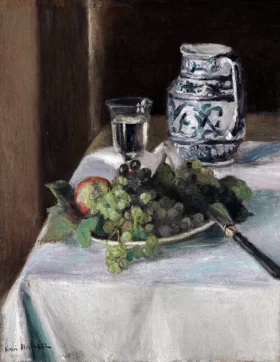
Fruits
By Henri MatisseSizes starting at $269.00
Lemons and Bottle of Dutch Gin
By Henri MatisseSizes starting at $259.00
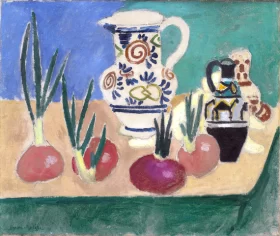
Pink onions
By Henri MatisseSizes starting at $269.00
Pêches
By Henri MatisseSizes starting at $299.00
Still Life with a Chocolate Pot
By Henri MatisseSizes starting at $269.00
Small Jar
By Henri MatisseSizes starting at $289.00Nature morte à la daurade
By Henri MatisseSizes starting at $249.00
Nature Morte au Pot de Terre
By Henri MatisseSizes starting at $269.00
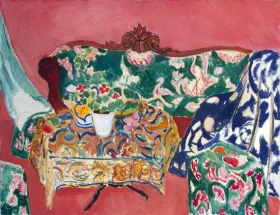
Seville Still Life (Séville Nature Morte)
By Henri MatisseSizes starting at $269.00
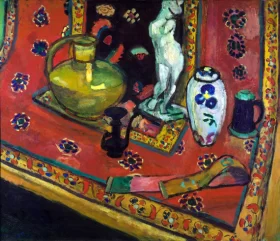
Figurine and Vase on Oriental Carpet (Still Life in Venetian Red)
By Henri MatisseSizes starting at $249.00
La Table au café (Café Table)
By Henri MatisseSizes starting at $259.00
Still Life
By Henri MatisseSizes starting at $259.00
Nature morte au lierre
By Henri MatisseSizes starting at $259.00
Still Life
By Henri MatisseSizes starting at $269.00
Still Life
By Henri MatisseSizes starting at $279.00
Still Life- Seashell on Black Marble
By Henri MatisseSizes starting at $289.00
Chiens de mer
By Henri MatisseSizes starting at $249.00
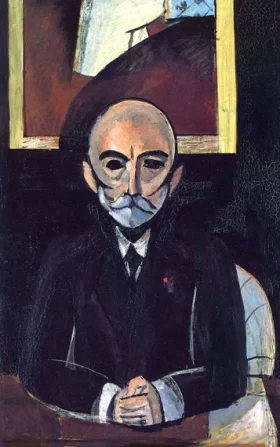
Auguste Pellerin II
By Henri MatisseSizes starting at $369.00
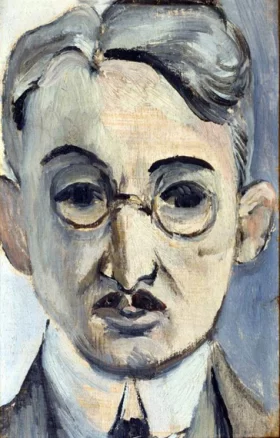
Portrait de George Besson à lunettes
By Henri MatisseSizes starting at $359.00
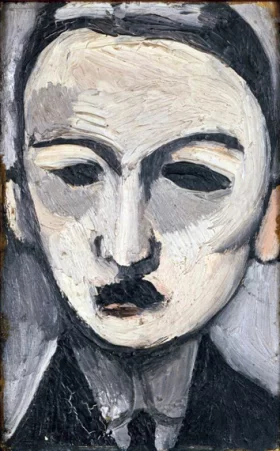
Portrait de George Besson
By Henri MatisseSizes starting at $369.00
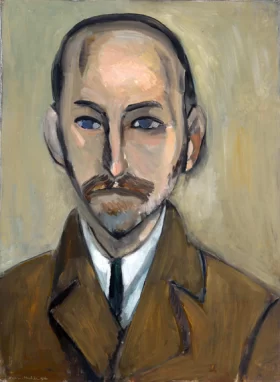
Michael Stein
By Henri MatisseSizes starting at $329.00
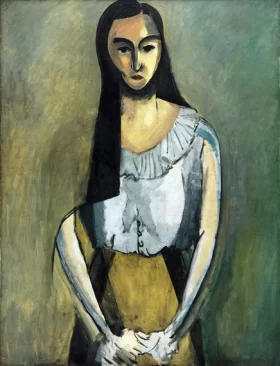
The Italian Woman (L’Italienne)
By Henri MatisseSizes starting at $319.00
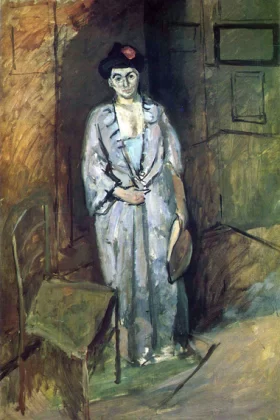
The Japanese Lady. Mme Matisse in a Japanese Robe
By Henri MatisseSizes starting at $349.00
Le violoniste à la fenêtre
By Henri MatisseSizes starting at $299.00
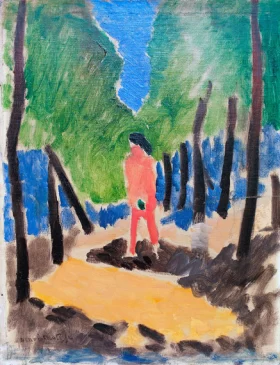
Nude in a Forest (Nu, paysage ensoleillé)
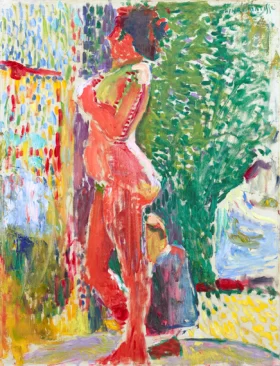
By Henri MatisseSizes starting at $269.00Nude in the Studio
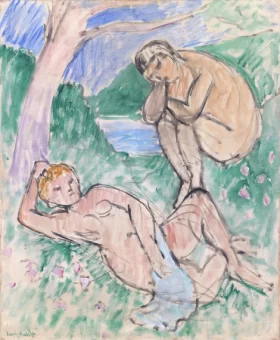
By Henri MatisseSizes starting at $269.00Nymph and faun
By Henri MatisseSizes starting at $249.00
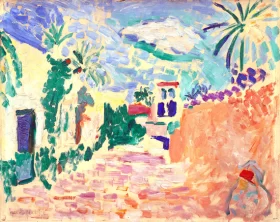
Street in Biskra, Algeria
By Henri MatisseSizes starting at $279.00
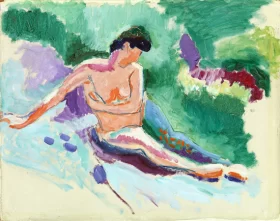
Seated Nude
By Henri MatisseSizes starting at $279.00
Paysage, St. Tropez
By Henri MatisseSizes starting at $299.00
Sketch for “Le Bonheur de vivre” (“The Joy of Life”)
By Henri MatisseSizes starting at $279.00
Sketch for Le Bonheur de vivre
By Henri MatisseSizes starting at $299.00
Paysage de Collioure
By Henri MatisseSizes starting at $309.00
Nu rose assis
By Henri MatisseSizes starting at $259.00
Nu assis
By Henri MatisseSizes starting at $279.00
Nu sur la chaise longue
By Henri MatisseSizes starting at $279.00
Etude pour ‘Portrait au manteau bleu’
By Henri MatisseSizes starting at $239.00
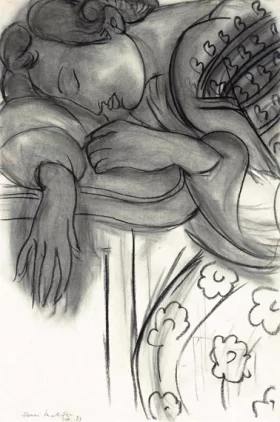
Étude pour La Dormeuse (Le Rêve)
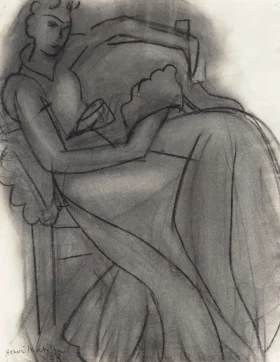
By Henri MatisseSizes starting at $239.00Femme dans un fauteuil
By Henri MatisseSizes starting at $229.00
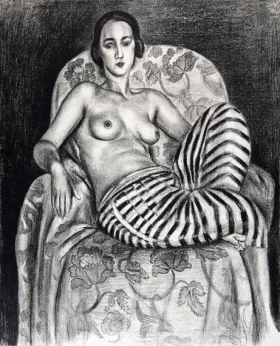
Grand Odalisque à la Culotte Bayadère
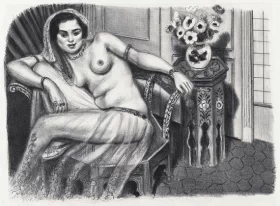
By Henri MatisseSizes starting at $219.00Hindu in a Voille Skirt (Hindoue à la jupe de tulle)
By Henri MatisseSizes starting at $229.00
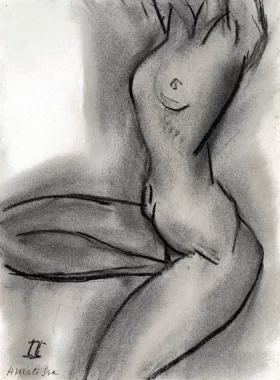
Nu II
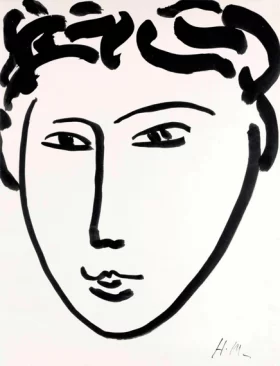
By Henri MatisseSizes starting at $229.00Tête de femme
By Henri MatisseSizes starting at $229.00
The White Fox (Le Renard blanc)
By Henri MatisseSizes starting at $239.00