5% Off Sitewide | Use code KMUS5 on checkout
- Choose your Country

5% Off Sitewide | Use code KMUS5 on checkout
Post-Impressionism
Post-Impressionism is the term coined by the British artist and art critic Roger Fry in 1910 to describe the development of French art since Manet.
Post-Impressionists extended Impressionism while rejecting its limitations: they continued using vivid colours, thick application of paint, distinctive brushstrokes and real-life subject matter, but they were more inclined to emphasize geometric forms, to distort form for expressive effect, and to use unnatural or arbitrary colour.
The Post Impressionists were dissatisfied with the triviality of subject matter and the loss of structure in Impressionist paintings, though they did not agree on the way forward. Georges Seurat and his followers concerned themselves with Pointillism, the systematic use of tiny dots of colour. Paul Cezanne set out to restore a sense of order and structure to painting, to “make of Impressionism something solid and durable, like the art of the museums”. He achieved this by reducing objects to their basic shapes while retaining the bright fresh colours of Impressionism. The Impressionist Camille Pissarro experimented with Neo-Impressionist ideas between the mid 1880s and the early 1890s. Discontented with what he referred to as romantic Impressionism, he investigated Pointillism which he called scientific Impressionism before returning to a purer Impressionism in the last decade of his life. Vincent van Gogh used colour and vibrant swirling brush strokes to convey his feelings and his state of mind. Although they often exhibited together, Post-Impressionist artists were not in agreement concerning a cohesive movement. Younger painters during the 1890s and early 20th century worked in geographically disparate regions and in various stylistic categories, such as Fauvism and Cubism.
The term was coined in 1910 by Roger Fry in the title of an exhibition of modern French painters, organized by Fry in London. Most of the artists in the exhibition were younger than the Impressionists. Fry later explained: “For purposes of convenience, it was necessary to give these artists a name, and I chose, as being the vaguest and most non-committal, the name of Post-Impressionism. This merely stated their position in time relatively to the Impressionist movement.” John Rewald, one of the first professional art historians to focus on the birth of early modern art, limited the scope to the years between 1886 and 1892 in his pioneering publication on Post-Impressionism: From Van Gogh to Gauguin (1956): Rewald considered it to continue his History of Impressionism (1946), and pointed out that a “subsequent volume dedicated to the second half of the post-impressionist period”-Post-Impressionism: From Gauguin to Matisse-was to follow, extending the period covered to other artistic movements derived from Impressionism and confined to the late 19th and early 20th centuries. Rewald focused on outstanding early Post-Impressionists active in France: on Van Gogh, Gauguin, Seurat, Redon, and their relations as well as the artistic circles they frequented (or they were in opposition to):
* Neo-Impressionism: ridiculed by contemporary art critics as well as artists as Pointillism, Seurat and Signac would have preferred other terms: Divisionism for example.
* Cloisonnism: a short-lived term introduced in 1888 by the art critic Edouard Dujardin, was to promote the work of Louis Anquetin, and was later also applied to contemporary works of his friend emile Bernard.
* Synthetism: another short-lived term coined in 1889 to distinguish recent works of Gauguin and Bernard from that of more traditional Impressionists exhibiting with them at the Cafe Volpini.
* Pont-Aven School: implying little more than that the artists involved had been working for a while in Pont-Aven or elsewhere in Brittany.
* Symbolism: a term highly welcomed by vanguard critics in 1891, when Gauguin dropped Synthetism as soon as he was acclaimed to be the leader of Symbolism in painting.
Furthermore, in his introduction to Post-Impressionism, Rewald opted for a second volume featuring Toulouse-Lautrec, Henri Rousseau “le Douanier”, Les Nabis and Cezanne as well as the Fauves, the young Picasso and Gauguin’s last trip to the South-Sea, it was to expand the period covered at least into the first decade of the 20th century-yet this second volume remained unfinished.In a basic sense, the term “Romanticism” has been used to refer to certain artists, poets, writers, musicians, as well as political, philosophical and social thinkers of the late 18th and early to mid 19th centuries. It has equally been used to refer to various artistic, intellectual, and social trends of that era. Despite this general usage of the term, a precise characterization and specific definition of Romanticism have been the subject of debate in the fields of intellectual history and literary history throughout the twentieth century, without any great measure of consensus emerging. Arthur Lovejoy attempted to demonstrate the difficulty of this problem in his seminal article “On The Discrimination of Romanticisms” in his Essays in the History of Ideas (1948), some scholars see Romanticism as essentially continuous with the present, some see in it the inaugural moment of modernity, some see it as the beginning of a tradition of resistance to the Enlightenment-a Counter-Enlightenment-and still others place it firmly in the direct aftermath of the French Revolution. An earlier definition comes from Charles Baudelaire: “Romanticism is precisely situated neither in choice of subject nor exact truth, but in the way of feeling.”
Reviews and adjustments
Rewald wrote that “the term ‘Post-Impressionism’ is not a very precise one, though a very convenient one.” Convenient, when the term is by definition limited to French visual arts derived from Impressionism since 1886. Rewald’s approach to historical data was narrative rather than analytic, and beyond this point he believed it would be sufficient to “let the sources speak for themselves.”
Rival terms like Modernism or Symbolism were never as easy to handle, for they covered literature, architecture and other arts as well, and they expanded to other countries.
* Modernism thus, is now considered to be the central movement within international western civilization with its original roots in France, going back beyond the French Revolution to the Age of Enlightenment.
* Symbolism, however, is considered to be a concept which emerged a century later in France, and implied an individual approach. Local national traditions as well as individual settings therefore could stand side by side, and from the very beginning a broad variety of artists practising some kind of symbolic imagery, ranged between extreme positions: The Nabis for example united to find synthesis of tradition and brand new form, while others kept to traditional, more or less academic forms, when they were looking for fresh contents: Symbolism is therefore often linked to fanatastic, esoteric, erotic and other non-realist subject matter.
To meet the recent discussion, the connotations of the term ‘Post-Impressionism’ were challenged again: Alan Bowness and his collaborators expanded the period covered to 1914, but limited their approach widely on the 1890s to France. Other European countries are pushed back to standard connotations, and Eastern Europe is completely excluded.
So, while a split may be seen between classical ‘Impressionism’ and ‘Post-Impressionism’ in 1886, the end and the extend of ‘Post-Impressionism’ remains under discussion. For Bowness and his contributors as well as for Rewald, ‘Cubism’ was an absolutely fresh start, and so Cubism has been seen in France since the beginning, and later in Anglosaxonia. Meanwhile Eastern European artists, however, did not care so much for western traditions, and proceeded to manners of painting called abstract and suprematic-terms expanding far into the 20th century.
Conclusion
According to the present state of discussion, Post-Impressionism is a term best used within Rewald’s definition in a strictly historical manner, concentrating on French art between 1886 and 1914, and re-considering the altered positions of impressionist painters like Claude Monet, Camille Pissarro, Auguste Renoir, and others-as well as all new brands at the turn of the century: from Cloisonnism to Cubism. The declarations of war, in July/August 1914, indicate probably far more than the beginning of a World War-they signal a major break in European cultural history, too.
Showing 2001–2100 of 2161 results

View of Pont-Neuf With Statue of Henri Iv, 1901
By Camille PissarroSizes starting at $259.00
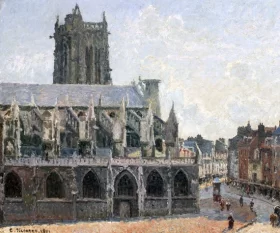
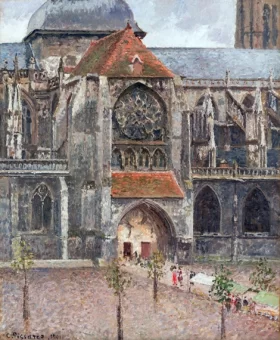
L’ÉGlise Saint-Jacques à Dieppe, 1901
By Camille PissarroSizes starting at $269.00
L’ÉGlise Saint-Jacques à Dieppe, Matin, Soleil 1901
By Camille PissarroSizes starting at $279.00
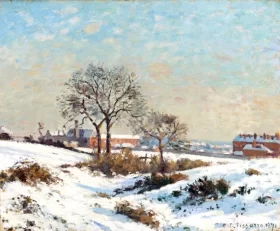
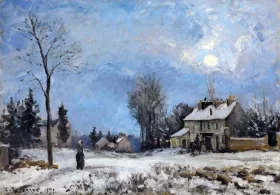
Snowy Landscape at South Norwood 1871
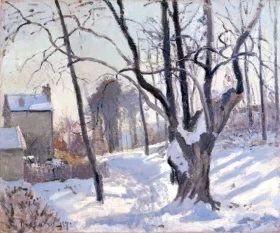
By Camille PissarroSizes starting at $269.00Winter Landscape in Loiveciennes 1872
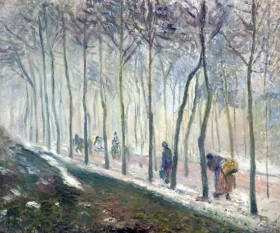
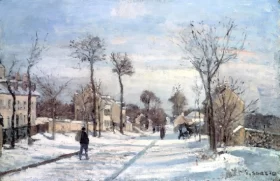
By Camille PissarroSizes starting at $269.00La Route, Effet de Neige 1879
By Camille PissarroSizes starting at $269.00
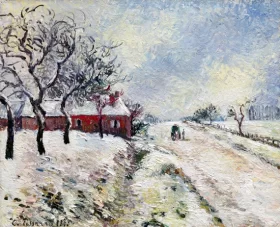
Route EnneigéE avec Maison, Environs D’Eragny 1885
By Camille PissarroSizes starting at $259.00
All Saints’ Church 1871
By Camille PissarroSizes starting at $279.00
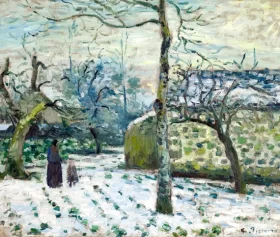
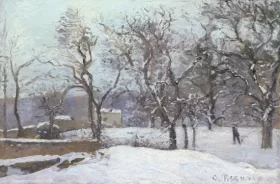
Effect of Snow at Montfoucault 1874
By Camille PissarroSizes starting at $249.00
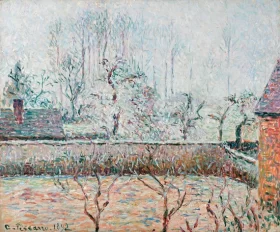
Paysage avec Maisons et Mur de ClôTure, Givre et Brume, ÉRagny 1892
By Camille PissarroSizes starting at $269.00Paysage D’Hiver
By Camille PissarroSizes starting at $259.00
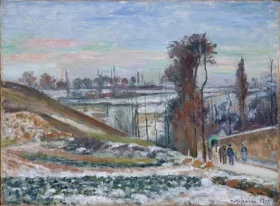
Effet de Neige à L’Hermitage, 1875
By Camille PissarroSizes starting at $279.00
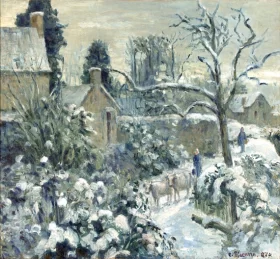
Snowscape With Cows at Montfoucault
By Camille PissarroSizes starting at $259.00
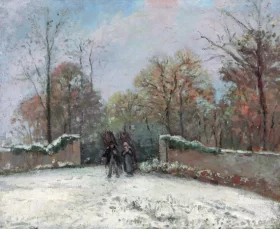
EntréE de La ForêT de Marly, Effet de Neige 1870
By Camille PissarroSizes starting at $259.00
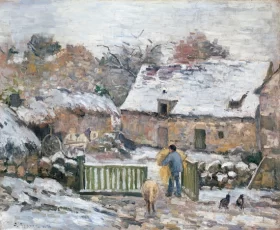
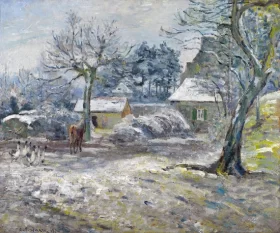
Farm at Montfoucault in Snow
By Camille PissarroSizes starting at $259.00Ferme à Montfoucault, Neige 1874
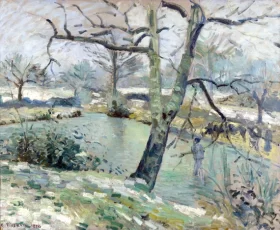
By Camille PissarroSizes starting at $269.00L’ÉTang de Montfoucault, Effet D’Hiver, 1874
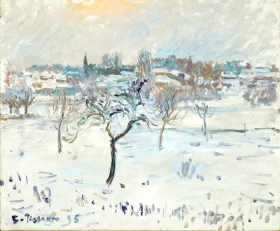
By Camille PissarroSizes starting at $259.00Snowy Landscape at Eragny With an apple Tree, 1896
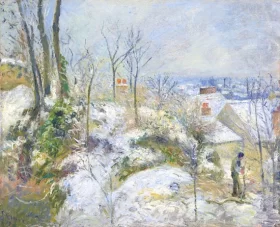
By Camille PissarroSizes starting at $269.00Rabbit Warren at Pontoise, Snow 1879
By Camille PissarroSizes starting at $259.00ScèNe de Neige à ÉRagny (1884)
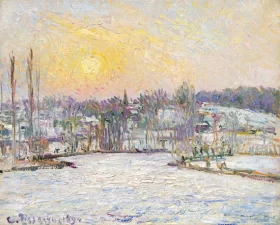
By Camille PissarroSizes starting at $269.00View of Bazincourt, Snow Effect, Sunset 1892
By Camille PissarroSizes starting at $259.00
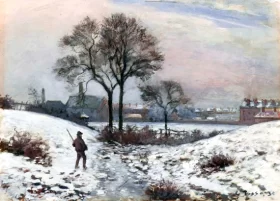
Chasseur Enhiver, Paysage à Norwood 1870
By Camille PissarroSizes starting at $289.00
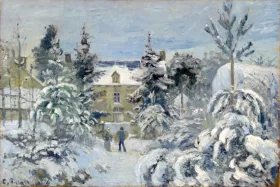
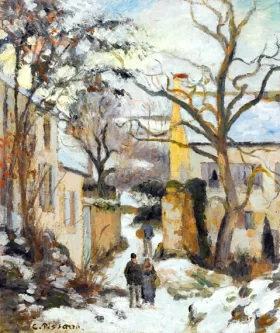
Piette’S House at Montfoucault 1874
By Camille PissarroSizes starting at $289.00
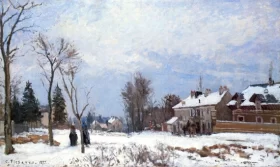
Le Relais de Poste, Route de Versailles, Louveciennes, Neige 1872
By Camille PissarroSizes starting at $299.00
The Route de Versailles in Saint-Germain, Louveciennes, Snow Effect 1872
By Camille PissarroSizes starting at $309.00
Snow at Louveciennes 1870
By Camille PissarroSizes starting at $299.00
The Road To Versailles, Louveciennes, Snow 1870
By Camille PissarroSizes starting at $299.00
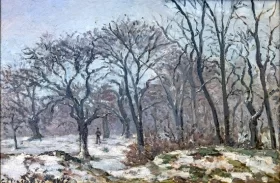
Chestnut Woods in Winter, Louveciennes 1872
By Camille PissarroSizes starting at $299.00
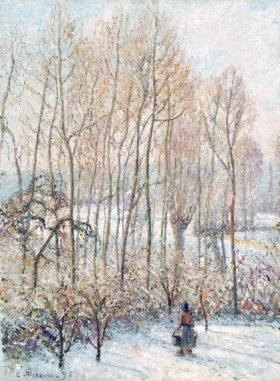
Morning Sunlight on the Snow, Eragny-Sur-Epte 1895
By Camille PissarroSizes starting at $279.00
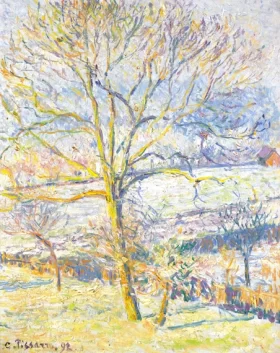
Le Grand Noyer, GeléE Blanche ÉRagny 1892
By Camille PissarroSizes starting at $259.00
La Maison Rondest Sous La Neige, Pontoise 1875
By Camille PissarroSizes starting at $249.00
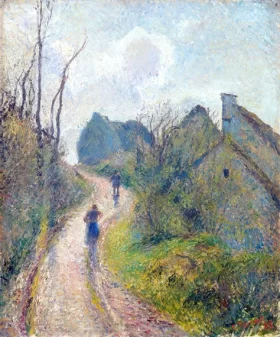
Sente de La RavinièRe, Osny, 1883
By Camille PissarroSizes starting at $249.00
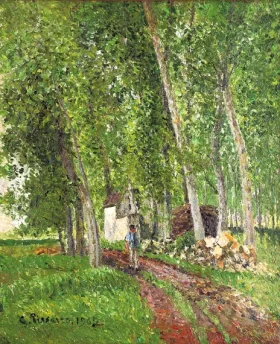
Sous-Bois à Moret 1902
By Camille PissarroSizes starting at $259.00
Paisaje de Varengeville 1899
By Camille PissarroSizes starting at $259.00
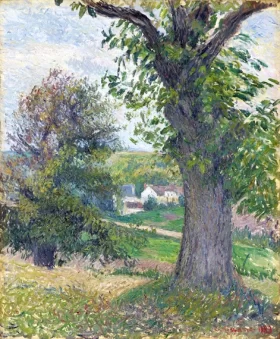
ChâTaigniers à Osny, 1883
By Camille PissarroSizes starting at $249.00
La Sente des Pouilleux, Pontoise, 1878
By Camille PissarroSizes starting at $249.00
The Banks of the Viosne at Osny in Grey Weather, Winter 1883
By Camille PissarroSizes starting at $259.00
The CôTe des Bœufs at L’Hermitage 1877
By Camille PissarroSizes starting at $269.00
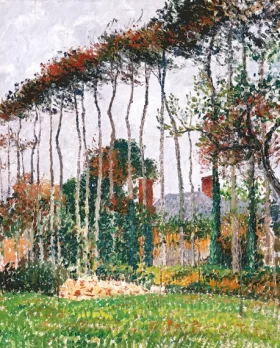
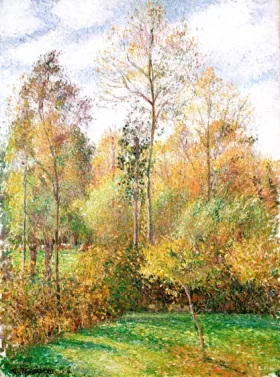
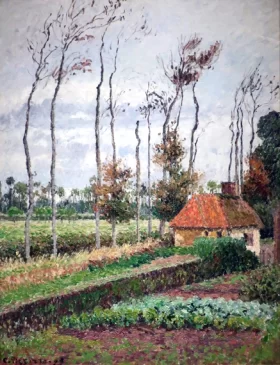
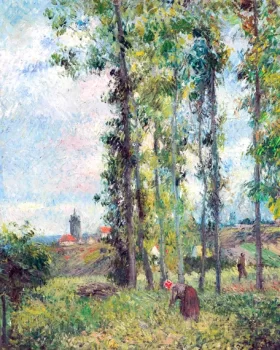
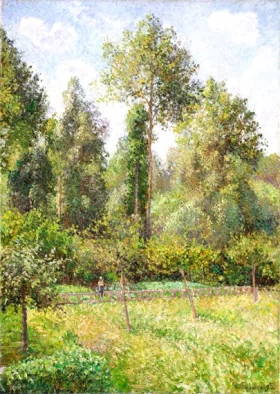
Autumn, Poplars, Eragny 1894
By Camille PissarroSizes starting at $279.00Le Clocher de Bazincourt (ÉTude) 1895
By Camille PissarroSizes starting at $249.00
Le Clocher de Bazincourt 1885
By Camille PissarroSizes starting at $269.00
Chemin de L’ÉCluse, Saint-Ouen-L’AumôNe 1882
By Camille PissarroSizes starting at $259.00CôTe des Grouettes, Near Pontoise 1878
By Camille PissarroSizes starting at $259.00Dans Le Bois de L’Hermitage 1877
By Camille PissarroSizes starting at $249.00
GeléE Blanche à Eragny 1902
By Camille PissarroSizes starting at $269.00Gray Day, Varengeville, auburge de Manoir 1899
By Camille PissarroSizes starting at $249.00Le Fond-De-L’Hermitage, Pontoise 1877
By Camille PissarroSizes starting at $249.00Landscape From Pontoise 1874
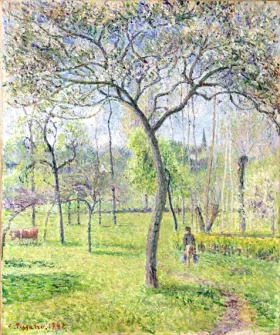
By Camille PissarroSizes starting at $269.00Landscape (Orchard) 1892
By Camille PissarroSizes starting at $249.00
Landscape at Varengeville, Gray Weather 1899
By Camille PissarroSizes starting at $269.00
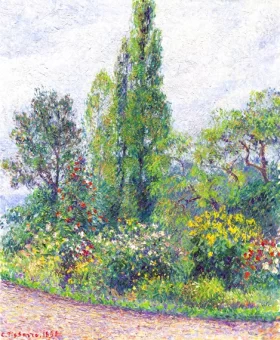
Le Jardin D’Octave Mirbeau à Damps (Eure) 1892
By Camille PissarroSizes starting at $249.00Le Lavoir de Bazincourt, 1884
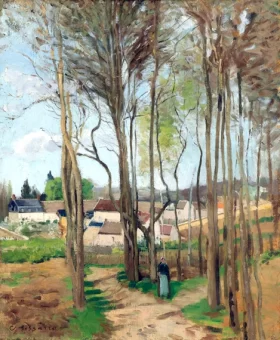
By Camille PissarroSizes starting at $249.00Le Village à Travers Les arbres 1869
By Camille PissarroSizes starting at $249.00
Paysage à Pontoise 1879
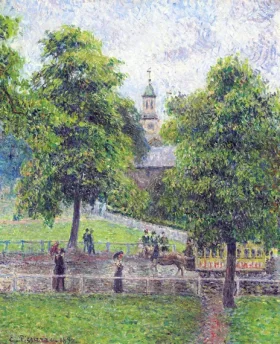
By Camille PissarroSizes starting at $259.00Saint anne’S Church 1892
By Camille PissarroSizes starting at $259.00
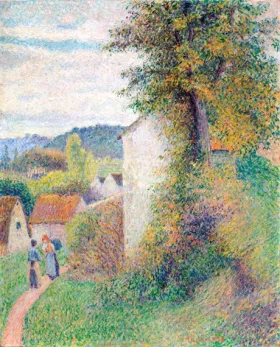
The Path, 1889
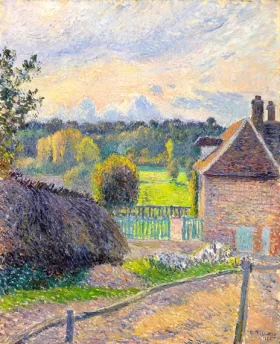
By Camille PissarroSizes starting at $259.00The delafolie House, ÉRagny, Sunset 1885
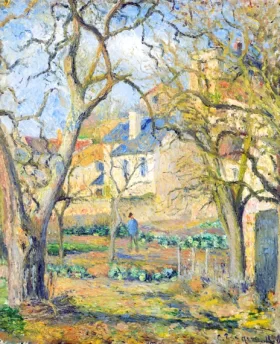
By Camille PissarroSizes starting at $259.00Vegetable Garden 1878
By Camille PissarroSizes starting at $259.00
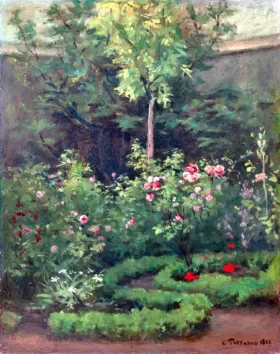
A Rose Garden 1862
By Camille PissarroSizes starting at $259.00
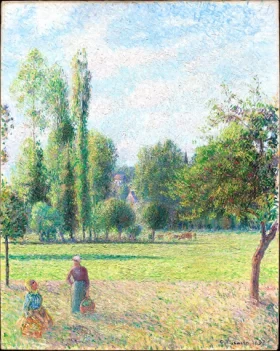
Two Peasant Women in a Meadow 1893
By Camille PissarroSizes starting at $259.00Maisons à Pontoise 1878
By Camille PissarroSizes starting at $259.00The “Englishman’S House,” Eragny, 1902
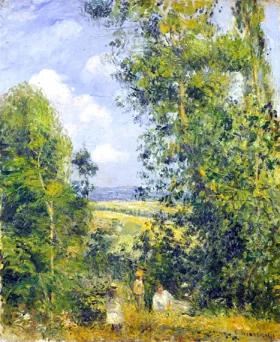
By Camille PissarroSizes starting at $259.00Resting under Trees Near Pontoise, 1878
By Camille PissarroSizes starting at $259.00
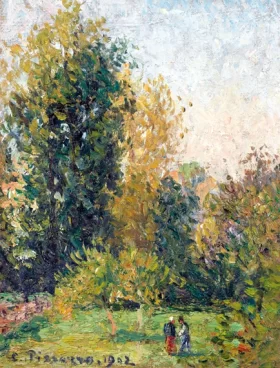
Paysage avec deux Personnages, ÉRagny, automne, 1902
By Camille PissarroSizes starting at $269.00Paysage avec Peupliers, Temps Gris, Eragny 1899
By Camille PissarroSizes starting at $259.00La Cour de La Maison Rondest, Pontoise 1880
By Camille PissarroSizes starting at $259.00
Rue des Roches au Valhermeil, Auvers Sur Oise, 1880
By Camille PissarroSizes starting at $259.00
The Church at Eragny 1884
By Camille PissarroSizes starting at $249.00
The Path To Les Pouilleux, Pontoise 1881
By Camille PissarroSizes starting at $249.00
A Wooded Path
By Camille PissarroSizes starting at $279.00
Poplars, ÉRagny 1895
By Camille PissarroSizes starting at $279.00
Route à Louveciennes 1870
By Camille PissarroSizes starting at $279.00
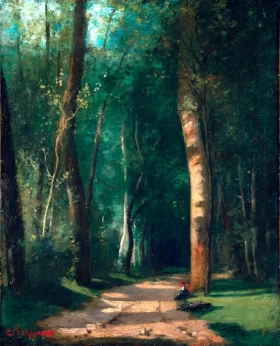
AlléE Dans une FôRet 1859
By Camille PissarroSizes starting at $259.00
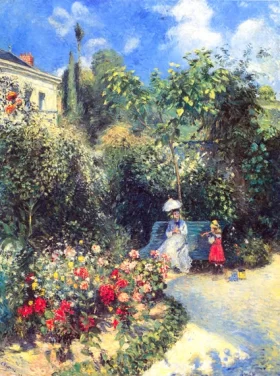
In the Garden of Les Mathurins at Pontoise 1877
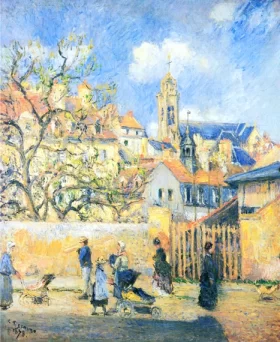
By Camille PissarroSizes starting at $269.00Le Parc aux Charrettes, Pontoise 1878
By Camille PissarroSizes starting at $259.00
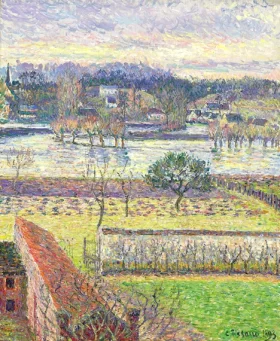
Vue de Ma FenêTre, inondation, Effet du Soir, Eragny 1893
By Camille PissarroSizes starting at $249.00Portail L’ÉGlise Saint-Jacques à Dieppe 1901
By Camille PissarroSizes starting at $249.00
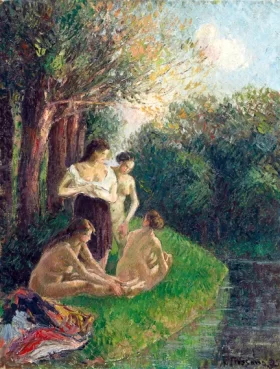
Quatre Baigneuses Discutant au Bord de L’Eau 1895
By Camille PissarroSizes starting at $269.00La Butte-Montmartre 1861
By Camille PissarroSizes starting at $259.00
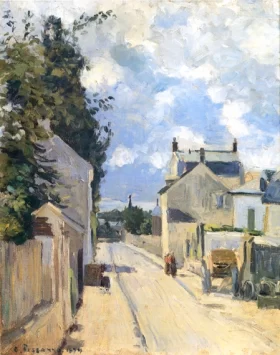
Rue de L´Hermitage Pontoise 1874
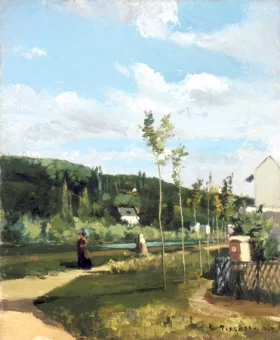
By Camille PissarroSizes starting at $259.00Strollers on a Country Road, La Varenne-Saint-Hilaire 1864
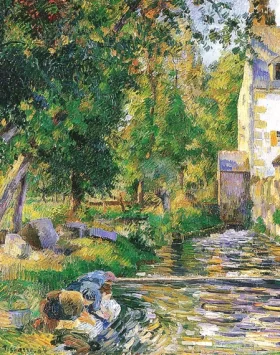
By Camille PissarroSizes starting at $249.00The Wash-House and the Petit-Moulin at Osny 1884
By Camille PissarroSizes starting at $259.00
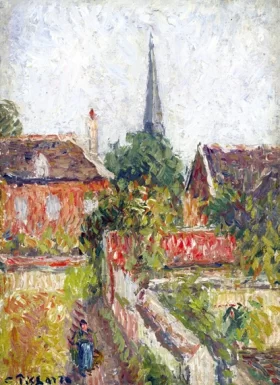
La Maison de La Sourde et Le Clocher D’Eragny 1894
By Camille PissarroSizes starting at $279.00Cavalier à L’OréE D’Un Bois 1859
By Camille PissarroSizes starting at $259.00La Campagne aux Environs de Conflans Sainte-Honorine 1874
By Camille PissarroSizes starting at $259.00
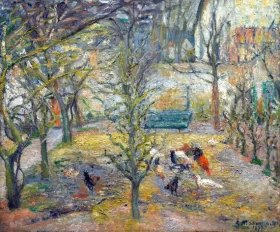
Poulailler à La Maison Rouge, Pontoise 1878
By Camille PissarroSizes starting at $269.00Basse-Cour à La ‘Maison Rouge’, Pontoise 1877
By Camille PissarroSizes starting at $269.00
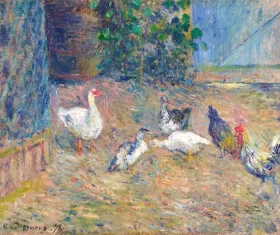
Basse-Cour avec Poules et Canards 1876
By Camille PissarroSizes starting at $259.00
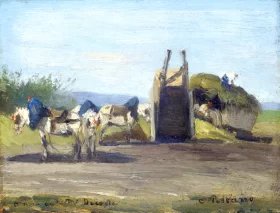
Chevaux Blancs et Charrettes 1862
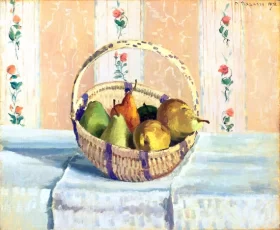
By Camille PissarroSizes starting at $289.00Apples and Pears in a Round Basket, 1872
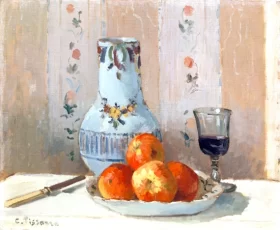
By Camille PissarroSizes starting at $259.00Still Life With apples and Pitcher, 1872
By Camille PissarroSizes starting at $259.00
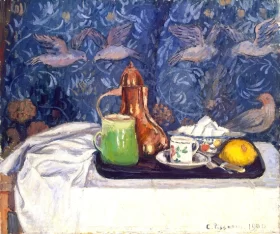
Still Life With a Coffeepot 1900
By Camille PissarroSizes starting at $269.00
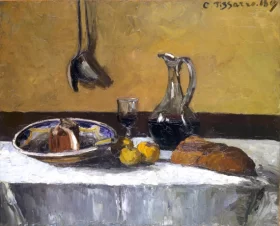
Still Life 1867
By Camille PissarroSizes starting at $259.00
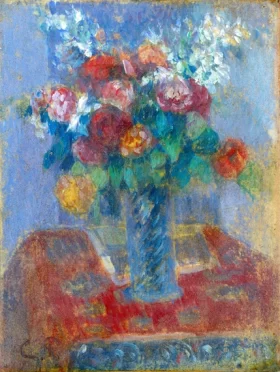
Bouquet of Flowers, Um 1900
By Camille PissarroSizes starting at $269.00
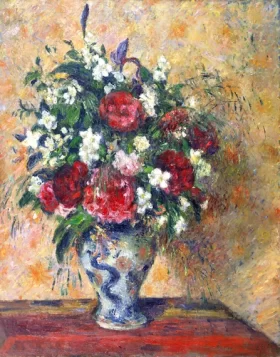
Still Life With Peonies and Mock Orange
By Camille PissarroSizes starting at $259.00Bouquet of Flowers 1898
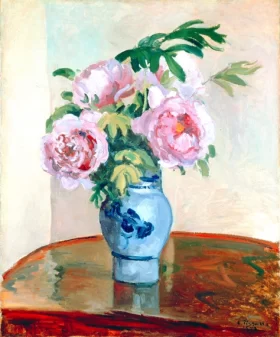
By Camille PissarroSizes starting at $259.00A Bouquet of Pink Peonies 1873
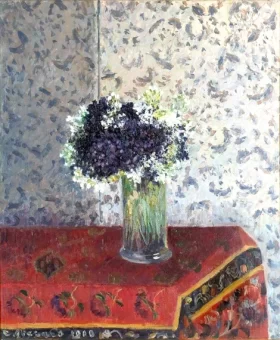
By Camille PissarroSizes starting at $249.00Bouquet of Violets, 1900
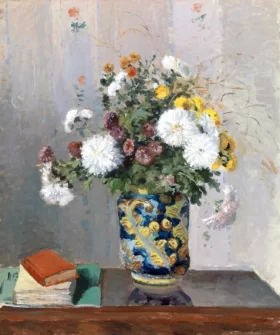
By Camille PissarroSizes starting at $249.00Chrysanthemums in a Chinese Vase 1873
By Camille PissarroSizes starting at $249.00
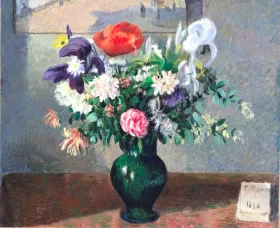
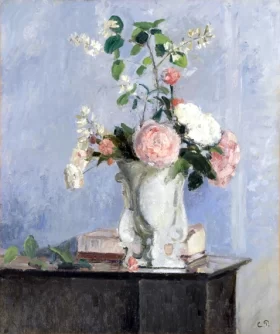
Bouquet of Flowers
By Camille PissarroSizes starting at $249.00