5% Off Sitewide | Use code KMUS5 on checkout
- Choose your Country

5% Off Sitewide | Use code KMUS5 on checkout
Romanticism
Romanticism is a complex artistic, literary, and intellectual movement that originated in the second half of the 18th century in Western Europe, and gained strength during the Industrial Revolution. It was partly a revolt against aristocratic social and political norms of the Age of Enlightenment and a reaction against the scientific rationalization of nature, and was embodied most strongly in the visual arts, music, and literature.
The movement stressed strong emotion as a source of aesthetic experience, placing new emphasis on such emotions as trepidation, horror and awe-especially that which is experienced in confronting the sublimity of untamed nature and its picturesque qualities, both new aesthetic categories. It elevated folk art and custom to something noble, and argued for a “natural” epistemology of human activities as conditioned by nature in the form of language, custom and usage.
Our modern sense of a romantic character is sometimes based on Byronic or Romantic ideals. Romanticism reached beyond the rational and Classicist ideal models to elevate medievalism and elements of art and narrative perceived to be authentically medieval, in an attempt to escape the confines of population growth, urban sprawl and industrialism, and it also attempted to embrace the exotic, unfamiliar and distant in modes more authentic than chinoiserie, harnessing the power of the imagination to envision and to escape.
Although the movement is rooted in German Pietism, which prized intuition and emotion over Enlightenment rationalism, the ideologies and events of the French Revolution laid the background from which Romanticism emerged. The confines of the Industrial Revolution also had their influence on Romanticism, which was in part an escape from modern realities, indeed, in the second half of the 19th century, “Realism” was offered as a polarized opposite to Romanticism. Romanticism elevated the achievements of what it perceived as misunderstood heroic individuals and artists that altered society. It also legitimized the individual imagination as a critical authority which permitted freedom from Classical notions of form in art. There was a strong recourse to historical and natural inevitability, a zeitgeist, in the representation of its ideas.
In a basic sense, the term “Romanticism” has been used to refer to certain artists, poets, writers, musicians, as well as political, philosophical and social thinkers of the late 18th and early to mid 19th centuries. It has equally been used to refer to various artistic, intellectual, and social trends of that era. Despite this general usage of the term, a precise characterization and specific definition of Romanticism have been the subject of debate in the fields of intellectual history and literary history throughout the twentieth century, without any great measure of consensus emerging. Arthur Lovejoy attempted to demonstrate the difficulty of this problem in his seminal article “On The Discrimination of Romanticisms” in his Essays in the History of Ideas (1948), some scholars see romanticism as essentially continuous with the present, some see in it the inaugural moment of modernity, some see it as the beginning of a tradition of resistance to the Enlightenment-a Counter-Enlightenment-and still others place it firmly in the direct aftermath of the French Revolution. An earlier definition comes from Charles Baudelaire: “Romanticism is precisely situated neither in choice of subject nor exact truth, but in the way of feeling.”
Many intellectual historians have seen Romanticism as a key movement in the Counter-Enlightenment, a reaction against the Age of Enlightenment. Whereas the thinkers of the Enlightenment emphasized the primacy of deductive reason, Romanticism emphasized intuition, imagination, and feeling, to a point that has led to some Romantic thinkers being accused of irrationalism.
In visual art and literature, Romanticism found recurrent themes in the evocation or criticism of the past, the cult of “sensibility” with its emphasis on women and children, the heroic isolation of the artist or narrator, and respect for a new, wilder, untrammeled and “pure” nature. Furthermore, several romantic authors, such as Edgar Allan Poe and Nathaniel Hawthorne, based their writings on the supernatural/occult and human psychology.
The Scottish poet James Macpherson influenced the early development of Romanticism with the international success of his Ossian cycle of poems published in 1762, inspiring both Goethe and the young Walter Scott.
An early German influence came from Johann Wolfgang Goethe whose 1774 novel The Sorrows of Young Werther had young men throughout Europe emulating its protagonist, a young artist with a very sensitive and passionate temperament. At that time Germany was a multitude of small separate states, and Goethe’s works would have a seminal influence in developing a unifying sense of nationalism. Another philosophic influence came from the German idealism of Johann Gottlieb Fichte and Friedrich Schelling, making Jena (where Fichte lived, as well as Schelling,Hegel, Schiller and the brothers Schlegel) a center for early German romanticism (“Jenaer Romantik”). Important writers were Ludwig Tieck, Novalis (Heinrich von Ofterdingen, 1799), Heinrich von Kleist and Friedrich Hoelderlin. Heidelberg later became a center of German romanticism, where writers and poets such as Clemens Brentano, Achim von Arnim, and Joseph Freiherr von Eichendorff met regularly in literary circles. Important motifs in German Romanticism are travelling, nature, and ancient myths. The later German Romanticism of, for example, E. T. A. Hoffmann’s Der Sandmann (The Sandman), 1817, and Joseph Freiherr von Eichendorff’s Das Marmorbild (The Marble Statue), 1819, was darker in its motifs and has gothic elements.
In predominantly Roman Catholic countries Romanticism was less pronounced than in Germany and Britain, and tended to develop later, after the rise of Napoleon. Francois-Rene de Chateaubriand is often called the “Father of French Romanticism”. In France, the movement is associated with the nineteenth century, particularly in the paintings of Theodore Gericault and Eugene Delacroix, the plays, poems and novels of Victor Hugo (such as Les Miserables and Ninety-Three), and the novels of Stendhal.
In Russia, the principal exponent of Romanticism is Alexander Pushkin. Mikhail Lermontov attempted to analyse and bring to light the deepest reasons for the Romantic idea of metaphysical discontent with society and self, and was much influenced by Lord Byron. The poet Fyodor Tyutchev was also an important figure of the movement in Russia, and was heavily influenced by the German Romantics.
In the United States, romantic gothic literature made an early appearance with Washington Irving’s The Legend of Sleepy Hollow (1820) and Rip Van Winkle (1819), followed from 1823 onwards by the Leatherstocking Tales of James Fenimore Cooper, with their emphasis on heroic simplicity and their fervent landscape descriptions of an already-exotic mythicized frontier peopled by “noble savages”, similar to the philosophical theory of Rousseau, exemplified by Uncas, from The Last of the Mohicans. There are picturesque “local color” elements in Washington Irving’s essays and especially his travel books. Edgar Allan Poe’s tales of the macabre and his balladic poetry were more influential in France than at home, but the romantic American novel developed fully in Nathaniel Hawthorne’s atmosphere and melodrama. Later Transcendentalist writers such as Henry David Thoreau and Ralph Waldo Emerson still show elements of its influence and imagination, as does the romantic Realism of Walt Whitman.
But by the 1880s, psychological and social Realism was competing with romanticism in the novel. The poetry of Emily Dickinson-nearly unread in her own time-and Herman Melville’s novel Moby-Dick can be taken as epitomes of American Romantic literature. As in England, Germany, and France, literary Romanticism had its counterpart in American visual arts, most especially in the exaltation of untamed America found in the paintings of the Hudson River School. Painters like Thomas Cole, Albert Bierstadt and Frederic Edwin Church and others often combined a sense of the sublime with underlying religious and philosophical themes. Thomas Cole’s paintings feature strong narratives as in The Voyage of Life series painted in the early 1840s that depict man trying to survive amidst an awesome and immense nature, from the cradle to the grave.
Read moreShowing 201–300 of 1752 results

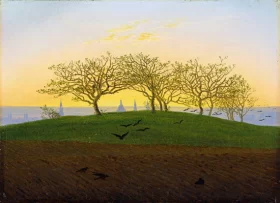
Hill and Ploughed Field near Dresden 1824
By Caspar David FriedrichSizes starting at $299.00
Kensington Gardens
By John MartinSizes starting at $459.00
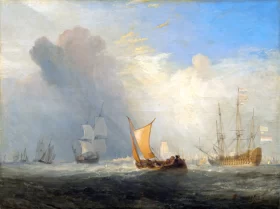
Rotterdam Ferry-Boat, 1833
By J.M.W. TurnerSizes starting at $299.00
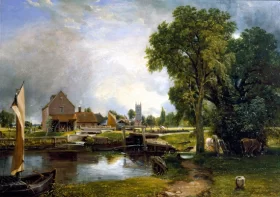
Sluice gate and mill at Dedham 1820
By John ConstableSizes starting at $299.00
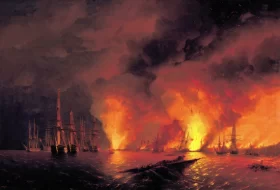
The Battle of Sinop on 18 November 1853 (Night after Battle) 1853
By Ivan AivazovskySizes starting at $389.00
The Entry of the Crusaders Into Constantinople 1840
By Eugene DelacroixSizes starting at $379.00
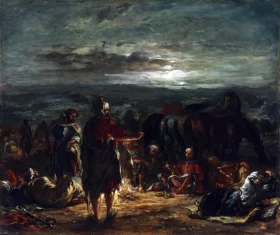
An Arab Camp at Night 1863
By Eugene DelacroixSizes starting at $389.00
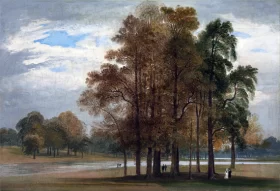
Hyde Park
By John MartinSizes starting at $429.00
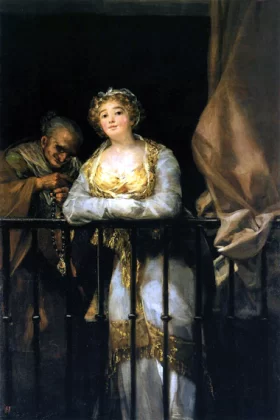
Majas on a Balcony
By Francisco GoyaSizes starting at $439.00
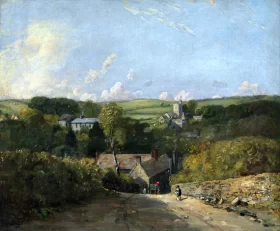
Osmington Village
By John ConstableSizes starting at $279.00
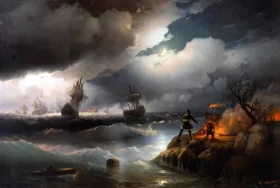
Peter I at Krasnaya Gorka Lighting a Fire on the Shore to Signal to his Sinking Ships 1846
By Ivan AivazovskySizes starting at $389.00
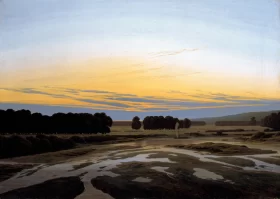
The Grosse Gehege near Dresden 1832
By Caspar David FriedrichSizes starting at $299.00
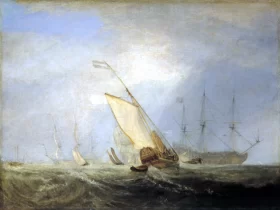
Van Tromp Returning after the Battle off the Dogger Bank
By J.M.W. TurnerSizes starting at $309.00Boat-Building near Flatford Mill 1815
By John ConstableSizes starting at $289.00
Isle of Wight or Richmond Hill
By John MartinSizes starting at $399.00
Maja and celecstina on the balcony
By Francisco GoyaSizes starting at $389.00Moroccan Horsemen in Military Action
By Eugene DelacroixSizes starting at $379.00
The Burning of the Houses of Lords and Commons 1835
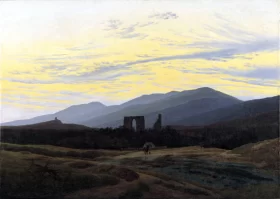
By J.M.W. TurnerSizes starting at $279.00The ruins of Eldena in the Giant Mountains
By Caspar David FriedrichSizes starting at $299.00
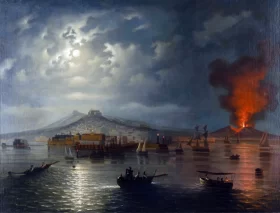
Vesuvio and Gulf of Naples
By Ivan AivazovskySizes starting at $379.00
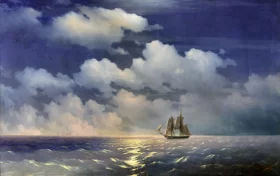
Mercury Brig Meeting a Russian Squadron after her Victory over Two Turkish Vessels 1848
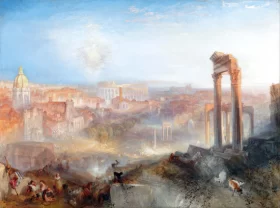
By Ivan AivazovskySizes starting at $409.00Modern Rome – Campo Vaccino 1839
By J.M.W. TurnerSizes starting at $299.00
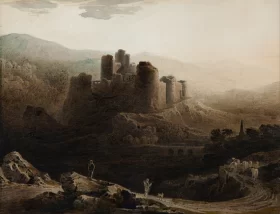
Moonlight – Chepstow Castle
By John MartinSizes starting at $389.00
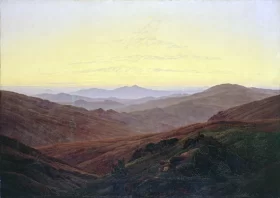
Riesengebirge
By Caspar David FriedrichSizes starting at $299.00
The Battle of Taillebourg
By Eugene DelacroixSizes starting at $359.00
The Burial of the Sardine
By Francisco GoyaSizes starting at $399.00
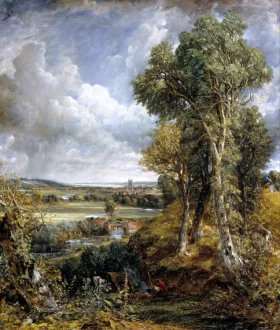
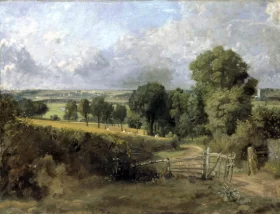
The Vale of Dedham 1828
By John ConstableSizes starting at $269.00
Angelica and the Wounded Medoro 1860
By Eugene DelacroixSizes starting at $379.00
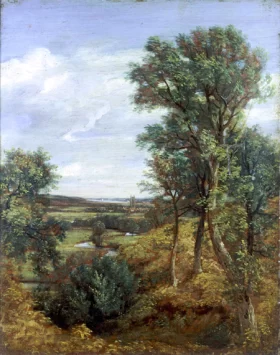
Dedham Vale
By John ConstableSizes starting at $279.00Diogenes Throwing Away His Cup
By John MartinSizes starting at $429.00
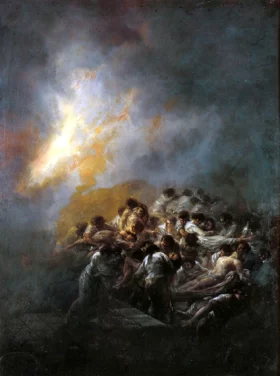
Fire at Night
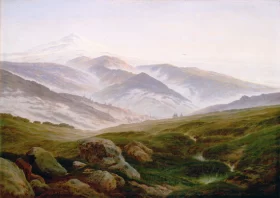
By Francisco GoyaSizes starting at $349.00Memories of the Riesengebirge 1835
By Caspar David FriedrichSizes starting at $309.00
Moonlit Night by the Sea 1852
By Ivan AivazovskySizes starting at $409.00
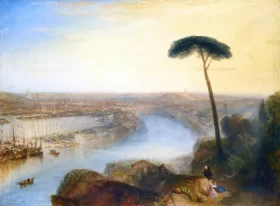
Rome, From Mount Aventine
By J.M.W. TurnerSizes starting at $299.00
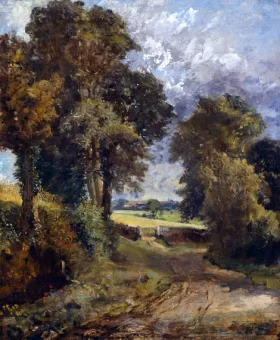
A Cornfield 1817
By John ConstableSizes starting at $269.00
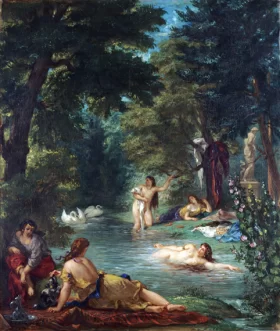
Bathers, 1854
By Eugene DelacroixSizes starting at $359.00
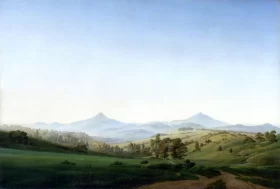
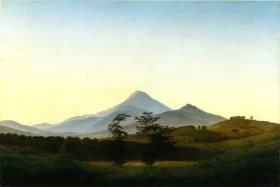
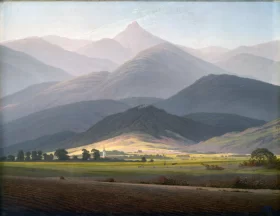
Bohemian Landscape with Mount Milleschauer
By Caspar David FriedrichSizes starting at $329.00
Incendio de un hospital
By Francisco GoyaSizes starting at $279.00
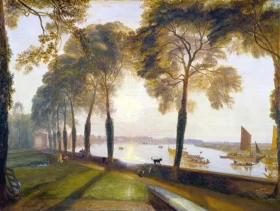
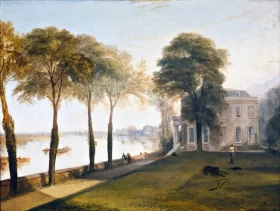
Mortlake Terrace, 1827
By J.M.W. TurnerSizes starting at $309.00
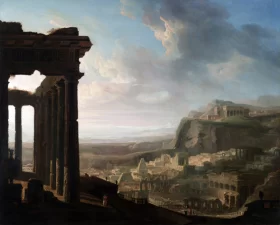
Ruins of an Ancient City
By John MartinSizes starting at $399.00View of the Sea from the Mountains. Crimea 1864
By Ivan AivazovskySizes starting at $379.00
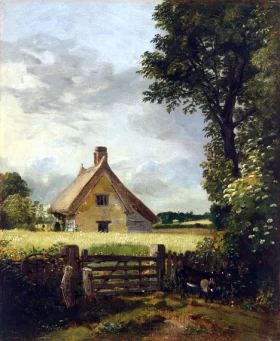
A Cottage in a Cornfield, 1817
By John ConstableSizes starting at $279.00
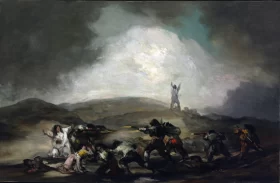
A Scene from the Spanish War of Independence 1808
By Francisco GoyaSizes starting at $299.00
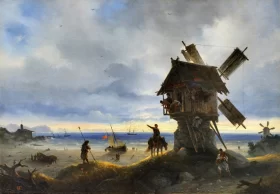
A Windmill on the Shore of the Sea 1837
By Ivan AivazovskySizes starting at $399.00
Bohemian landscape 1808
By Caspar David FriedrichSizes starting at $329.00
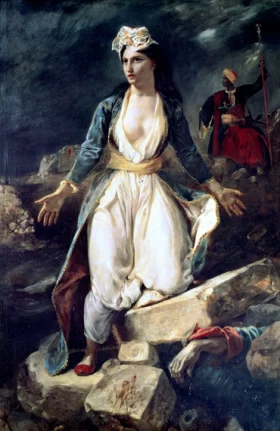
Greece Expiring on the Ruins of Missolonghi
By Eugene DelacroixSizes starting at $399.00
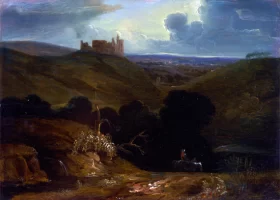
Landscape with a Castle
By John MartinSizes starting at $409.00Mortlake Terrace- Early Summer Morning 1826
By J.M.W. TurnerSizes starting at $309.00
A landscape composition
By John MartinSizes starting at $449.00
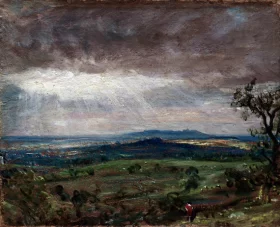
Hampstead Heath, Looking Toward Harrow 1821
By John ConstableSizes starting at $279.00Horse Frightened by Lightning
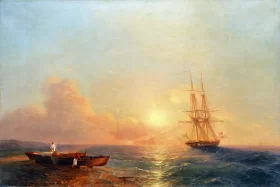
By Eugene DelacroixSizes starting at $359.00Ship with 26 Cannons by the Shoreline 1852
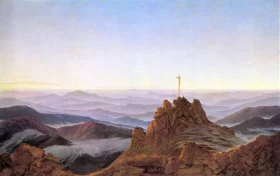
By Ivan AivazovskySizes starting at $389.00The cross on top of the rocks
By Caspar David FriedrichSizes starting at $289.00
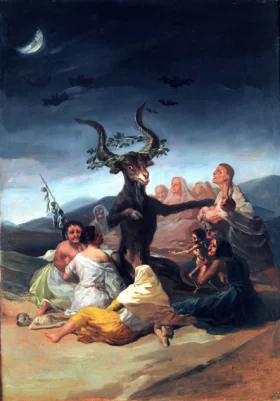
Witches’ Sabbath
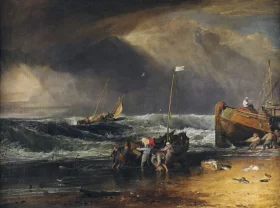
By Francisco GoyaSizes starting at $409.00‘I’ve lost My Boat, You shan’t have Your Hoop
By J.M.W. TurnerSizes starting at $279.00A Coast Scene with Fishermen Hauling a Boat Ashore
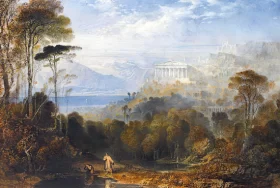
By J.M.W. TurnerSizes starting at $299.00An Arcadian Landscape
By John MartinSizes starting at $429.00
Bow Fell, Cumberland 1807
By John ConstableSizes starting at $299.00The Combat of the Giaour and Hassan 1826
By Eugene DelacroixSizes starting at $379.00
The Watzmann
By Caspar David FriedrichSizes starting at $289.00
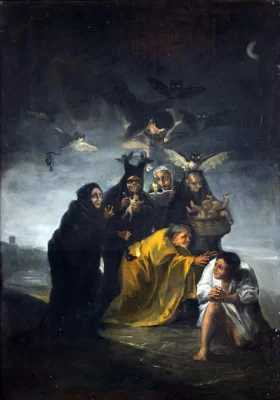
The Witches’ Flight 1798
By Francisco GoyaSizes starting at $379.00
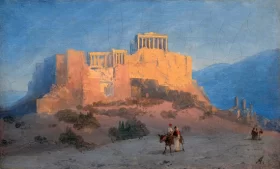
View of the Acropolis
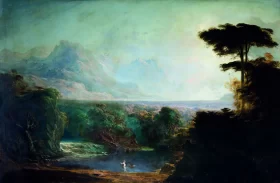
By Ivan AivazovskySizes starting at $419.00Alpheus and Arethusa
By John MartinSizes starting at $439.00
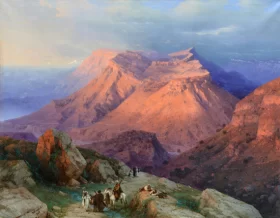
Aul Gunib in Dagestan 1869
By Ivan AivazovskySizes starting at $349.00
Botzaris Surprises the Turkish Camp and Falls Fatally Wounded
By Eugene DelacroixSizes starting at $379.00Fen Lane, East Bergholt
By John ConstableSizes starting at $289.00
Giant Mountains (View of the Small Sturmhaube from Warmbrunn)
By Caspar David FriedrichSizes starting at $289.00
The Forcibly Bewitched
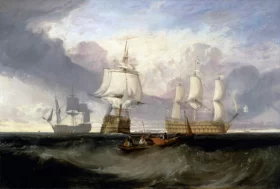
By Francisco GoyaSizes starting at $339.00The Victory Returning from Trafalgar, in Three Positions 1806
By J.M.W. TurnerSizes starting at $309.00
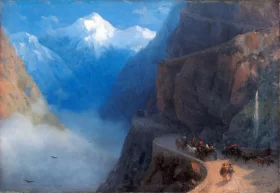
From Mleta to Gudauri 1868
By Ivan AivazovskySizes starting at $389.00
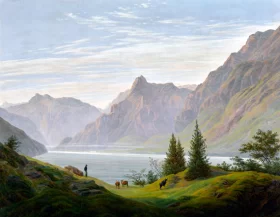
Landscape With Mountain Lake, Morning
By Caspar David FriedrichSizes starting at $299.00
Roger Rescues Angelica, 1856
By Eugene DelacroixSizes starting at $389.00The Destruction of Pharaoh’s Host
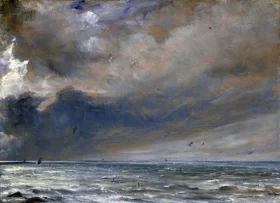
By John MartinSizes starting at $429.00The Sea near Brighton 1826
By John ConstableSizes starting at $319.00The Spell
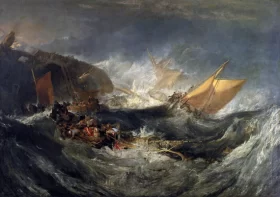
By Francisco GoyaSizes starting at $339.00The Wreck of a Transport Ship 1810
By J.M.W. TurnerSizes starting at $299.00A Disaster at Sea 1835
By J.M.W. TurnerSizes starting at $289.00A. S. Pushkin and Countess M. N. Raevskaya by the sea near Gurzuf 1886
By Ivan AivazovskySizes starting at $349.00
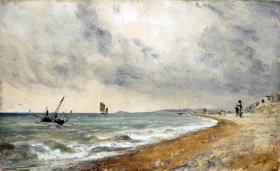
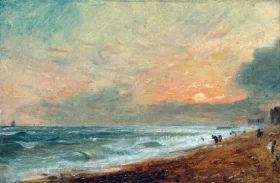
Hove Beach, with Fishing Boats 1824
By John ConstableSizes starting at $359.00
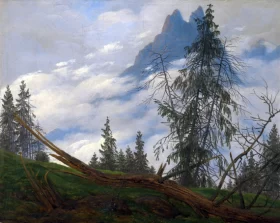
Mountain Peak with Drifting Clouds 1835
By Caspar David FriedrichSizes starting at $299.00Scene From the Romance of Amadis De Gaule 1860
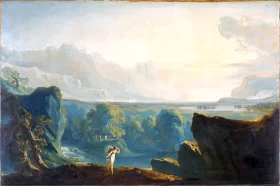
By Eugene DelacroixSizes starting at $389.00The country of the Iguanodon
By John MartinSizes starting at $409.00
The Knife-Grinder (“El Afilador”)
By Francisco GoyaSizes starting at $299.00
Clytie 1814
By John MartinSizes starting at $459.00Hove Beach
By John ConstableSizes starting at $319.00
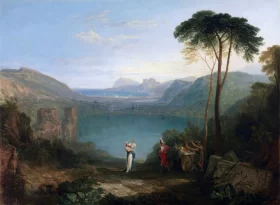
Lake Avernus- Aeneas and the Cumaean Sybil
By J.M.W. TurnerSizes starting at $299.00Morning in the Mountains
By Caspar David FriedrichSizes starting at $279.00
The Abduction of Rebecca 1846
By Eugene DelacroixSizes starting at $379.00The Water Carrier (“La Aguadora”)
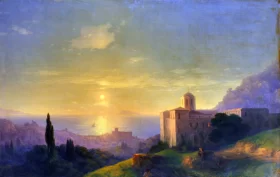
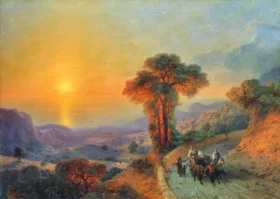
By Francisco GoyaSizes starting at $299.00View of Crimea at Sunset 1862
By Ivan AivazovskySizes starting at $379.00Dustanborough Castle
By J.M.W. TurnerSizes starting at $319.00
Rider Attacked by a Jaguar 1855
By Eugene DelacroixSizes starting at $339.00Sunburst in the Riesengebirge 1835
By Caspar David FriedrichSizes starting at $279.00The City of God and the Waters of Life
By John MartinSizes starting at $439.00
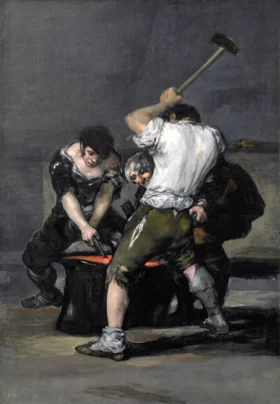
The Forge
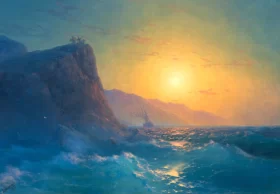
By Francisco GoyaSizes starting at $299.00View of a Steep, Rocky Coast and a Rough Sea at Sunset, 1883
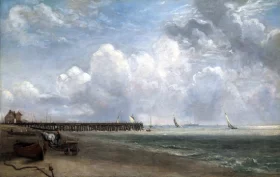
By Ivan AivazovskySizes starting at $399.00Yarmouth Jetty
By John ConstableSizes starting at $329.00
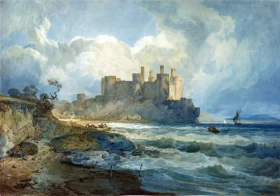
Conway Castle, North Wales 1798
By J.M.W. TurnerSizes starting at $299.00
Los disciplinantes
By Francisco GoyaSizes starting at $349.00
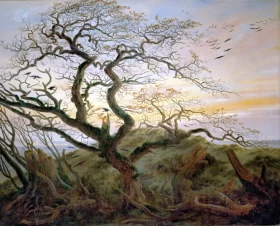
Raven tree (Coast of the Baltic Sea) 1822
By Caspar David FriedrichSizes starting at $299.00