5 % rabatt använd koden KMSE5 i kassan
- Choose your Country

5 % rabatt använd koden KMSE5 i kassan
Post-Impressionism
Post-Impressionism is the term coined by the British artist and art critic Roger Fry in 1910 to describe the development of French art since Manet.
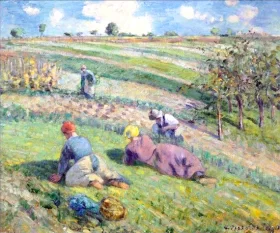
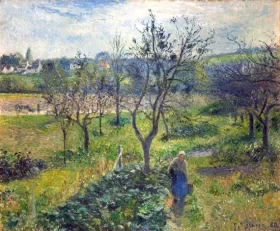
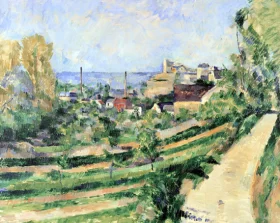
Post-Impressionists extended Impressionism while rejecting its limitations: they continued using vivid colours, thick application of paint, distinctive brushstrokes and real-life subject matter, but they were more inclined to emphasize geometric forms, to distort form for expressive effect, and to use unnatural or arbitrary colour.
The Post Impressionists were dissatisfied with the triviality of subject matter and the loss of structure in Impressionist paintings, though they did not agree on the way forward. Georges Seurat and his followers concerned themselves with Pointillism, the systematic use of tiny dots of colour. Paul Cezanne set out to restore a sense of order and structure to painting, to ”make of Impressionism something solid and durable, like the art of the museums”. He achieved this by reducing objects to their basic shapes while retaining the bright fresh colours of Impressionism. The Impressionist Camille Pissarro experimented with Neo-Impressionist ideas between the mid 1880s and the early 1890s. Discontented with what he referred to as romantic Impressionism, he investigated Pointillism which he called scientific Impressionism before returning to a purer Impressionism in the last decade of his life. Vincent van Gogh used colour and vibrant swirling brush strokes to convey his feelings and his state of mind. Although they often exhibited together, Post-Impressionist artists were not in agreement concerning a cohesive movement. Younger painters during the 1890s and early 20th century worked in geographically disparate regions and in various stylistic categories, such as Fauvism and Cubism.
The term was coined in 1910 by Roger Fry in the title of an exhibition of modern French painters, organized by Fry in London. Most of the artists in the exhibition were younger than the Impressionists. Fry later explained: ”For purposes of convenience, it was necessary to give these artists a name, and I chose, as being the vaguest and most non-committal, the name of Post-Impressionism. This merely stated their position in time relatively to the Impressionist movement.” John Rewald, one of the first professional art historians to focus on the birth of early modern art, limited the scope to the years between 1886 and 1892 in his pioneering publication on Post-Impressionism: From Van Gogh to Gauguin (1956): Rewald considered it to continue his History of Impressionism (1946), and pointed out that a ”subsequent volume dedicated to the second half of the post-impressionist period”-Post-Impressionism: From Gauguin to Matisse-was to follow, extending the period covered to other artistic movements derived from Impressionism and confined to the late 19th and early 20th centuries. Rewald focused on outstanding early Post-Impressionists active in France: on Van Gogh, Gauguin, Seurat, Redon, and their relations as well as the artistic circles they frequented (or they were in opposition to):
* Neo-Impressionism: ridiculed by contemporary art critics as well as artists as Pointillism, Seurat and Signac would have preferred other terms: Divisionism for example.
* Cloisonnism: a short-lived term introduced in 1888 by the art critic Edouard Dujardin, was to promote the work of Louis Anquetin, and was later also applied to contemporary works of his friend emile Bernard.
* Synthetism: another short-lived term coined in 1889 to distinguish recent works of Gauguin and Bernard from that of more traditional Impressionists exhibiting with them at the Cafe Volpini.
* Pont-Aven School: implying little more than that the artists involved had been working for a while in Pont-Aven or elsewhere in Brittany.
* Symbolism: a term highly welcomed by vanguard critics in 1891, when Gauguin dropped Synthetism as soon as he was acclaimed to be the leader of Symbolism in painting.
Furthermore, in his introduction to Post-Impressionism, Rewald opted for a second volume featuring Toulouse-Lautrec, Henri Rousseau ”le Douanier”, Les Nabis and Cezanne as well as the Fauves, the young Picasso and Gauguin’s last trip to the South-Sea, it was to expand the period covered at least into the first decade of the 20th century-yet this second volume remained unfinished.In a basic sense, the term ”Romanticism” has been used to refer to certain artists, poets, writers, musicians, as well as political, philosophical and social thinkers of the late 18th and early to mid 19th centuries. It has equally been used to refer to various artistic, intellectual, and social trends of that era. Despite this general usage of the term, a precise characterization and specific definition of Romanticism have been the subject of debate in the fields of intellectual history and literary history throughout the twentieth century, without any great measure of consensus emerging. Arthur Lovejoy attempted to demonstrate the difficulty of this problem in his seminal article ”On The Discrimination of Romanticisms” in his Essays in the History of Ideas (1948), some scholars see Romanticism as essentially continuous with the present, some see in it the inaugural moment of modernity, some see it as the beginning of a tradition of resistance to the Enlightenment-a Counter-Enlightenment-and still others place it firmly in the direct aftermath of the French Revolution. An earlier definition comes from Charles Baudelaire: ”Romanticism is precisely situated neither in choice of subject nor exact truth, but in the way of feeling.”
Reviews and adjustments
Rewald wrote that ”the term ’Post-Impressionism’ is not a very precise one, though a very convenient one.” Convenient, when the term is by definition limited to French visual arts derived from Impressionism since 1886. Rewald’s approach to historical data was narrative rather than analytic, and beyond this point he believed it would be sufficient to ”let the sources speak for themselves.”
Rival terms like Modernism or Symbolism were never as easy to handle, for they covered literature, architecture and other arts as well, and they expanded to other countries.
* Modernism thus, is now considered to be the central movement within international western civilization with its original roots in France, going back beyond the French Revolution to the Age of Enlightenment.
* Symbolism, however, is considered to be a concept which emerged a century later in France, and implied an individual approach. Local national traditions as well as individual settings therefore could stand side by side, and from the very beginning a broad variety of artists practising some kind of symbolic imagery, ranged between extreme positions: The Nabis for example united to find synthesis of tradition and brand new form, while others kept to traditional, more or less academic forms, when they were looking for fresh contents: Symbolism is therefore often linked to fanatastic, esoteric, erotic and other non-realist subject matter.
To meet the recent discussion, the connotations of the term ’Post-Impressionism’ were challenged again: Alan Bowness and his collaborators expanded the period covered to 1914, but limited their approach widely on the 1890s to France. Other European countries are pushed back to standard connotations, and Eastern Europe is completely excluded.
So, while a split may be seen between classical ’Impressionism’ and ’Post-Impressionism’ in 1886, the end and the extend of ’Post-Impressionism’ remains under discussion. For Bowness and his contributors as well as for Rewald, ’Cubism’ was an absolutely fresh start, and so Cubism has been seen in France since the beginning, and later in Anglosaxonia. Meanwhile Eastern European artists, however, did not care so much for western traditions, and proceeded to manners of painting called abstract and suprematic-terms expanding far into the 20th century.
Conclusion
According to the present state of discussion, Post-Impressionism is a term best used within Rewald’s definition in a strictly historical manner, concentrating on French art between 1886 and 1914, and re-considering the altered positions of impressionist painters like Claude Monet, Camille Pissarro, Auguste Renoir, and others-as well as all new brands at the turn of the century: from Cloisonnism to Cubism. The declarations of war, in July/August 1914, indicate probably far more than the beginning of a World War-they signal a major break in European cultural history, too.
Visar 1101–1200 av 2161 resultat

Self-Portrait With Bandaged Ear
By Vincent Van GoghSizes starting at kr2.629.00
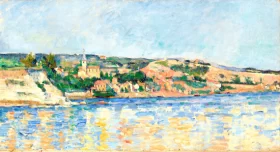
Village at the Water’s Edge 1876
By Paul CezanneSizes starting at kr3.129.00
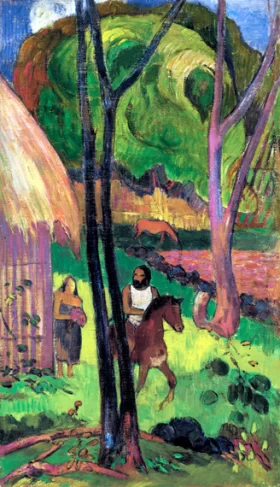
Cavalier Devant La Case
By Paul GauguinSizes starting at kr3.029.00
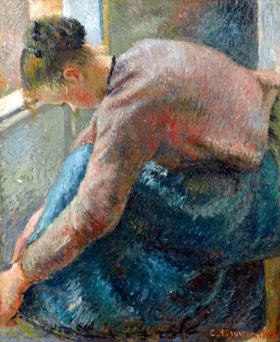
Paysanne attachant Son Soulier 1885
By Camille PissarroSizes starting at kr2.539.00
Railroad Cut
By Paul CezanneSizes starting at kr3.039.00
Self-Portrait With Straw Hat 1887
By Vincent Van GoghSizes starting at kr2.749.00
Chemin Creux Dans Une Pente BoiséE
By Paul GauguinSizes starting at kr2.509.00
Paysage Du Midi 1865
By Paul CezanneSizes starting at kr2.959.00
Paysanne Tricotant
By Camille PissarroSizes starting at kr2.779.00
Self-Portrait With Straw Hat 1887
By Vincent Van GoghSizes starting at kr2.629.00
Chemin De Village (La Sente Du PèRe Dupin)
By Paul GauguinSizes starting at kr2.839.00
Morning view of L’estaque Against the Sunlight
By Paul CezanneSizes starting at kr2.859.00
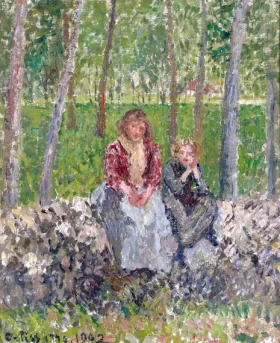
Paysannes Sous Les arbres à Moret 1902
By Camille PissarroSizes starting at kr2.539.00
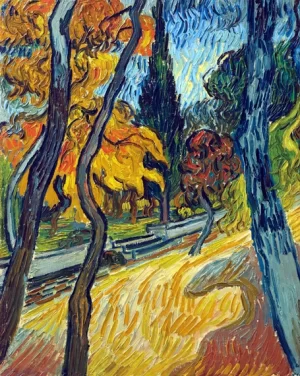
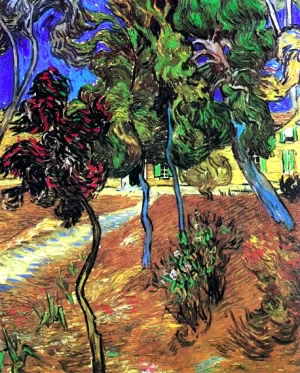
The Garden Of Saint Paul’s Hospital
By Vincent Van GoghSizes starting at kr2.629.00
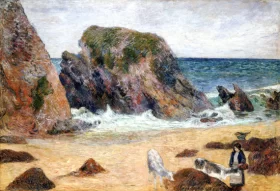
Cows on the Seashore
By Paul GauguinSizes starting at kr2.779.00
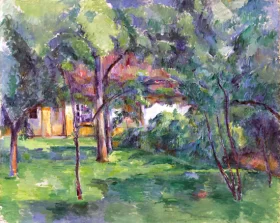
Gardanne (Horizontal View) 1885
By Paul CezanneSizes starting at kr2.859.00
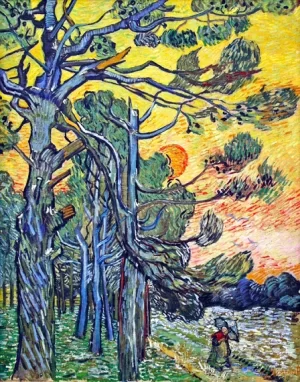
Pine Trees At Sunset
By Vincent Van GoghSizes starting at kr2.589.00
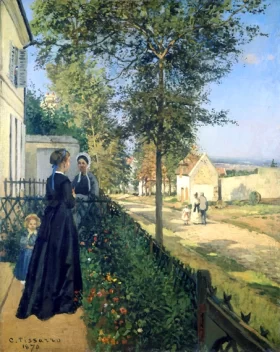
The Conversation, Louveciennes 1870
By Camille PissarroSizes starting at kr2.559.00
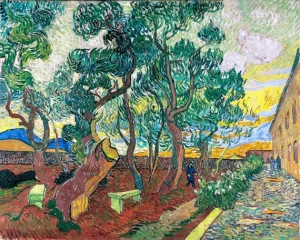
A Corner Of The Asylum And The Garden With A Heavy, Sawed-Off Tree 1889
By Vincent Van GoghSizes starting at kr2.559.00
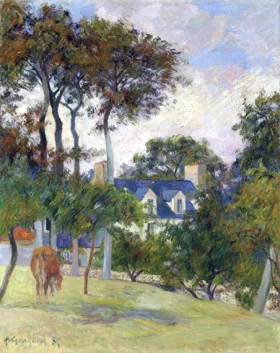
La Maison Blanche
By Paul GauguinSizes starting at kr2.559.00
Paysage Aux Environs D’aix-En-Provence
By Paul CezanneSizes starting at kr2.849.00
The Gardener 1899
By Camille PissarroSizes starting at kr2.729.00
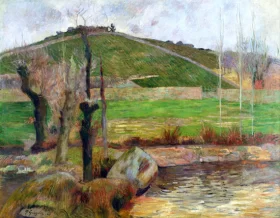
Landscape Near Pont-Aven
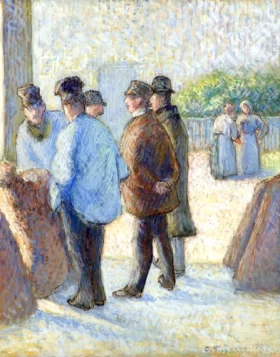
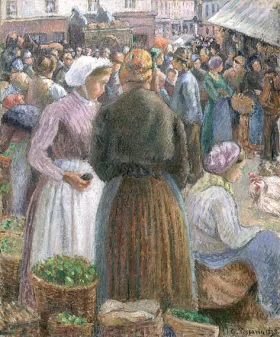
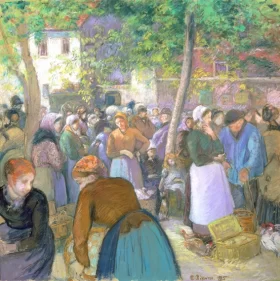
By Paul GauguinSizes starting at kr2.649.00Market Place Scene 1887
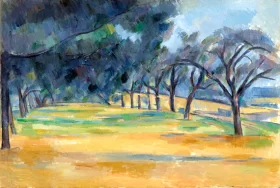
By Camille PissarroSizes starting at kr2.589.00The Allée at Marines 1898
By Paul CezanneSizes starting at kr2.849.00
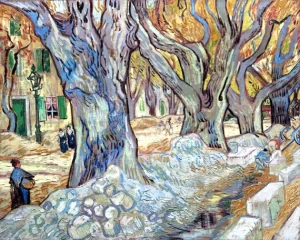
The Road Menders 1889
By Vincent Van GoghSizes starting at kr2.629.00
Arbres Dans Le Jardin De L’asile 1889
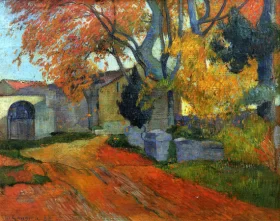
By Vincent Van GoghSizes starting at kr2.559.00Lane At Alchamps, Arles
By Paul GauguinSizes starting at kr2.629.00
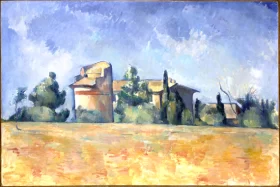
Pigeonnier De Bellevue 1890
By Paul CezanneSizes starting at kr2.809.00
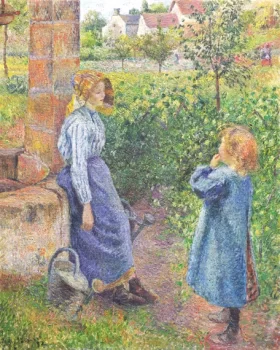
Woman and Child at the Well 1882
By Camille PissarroSizes starting at kr2.559.00
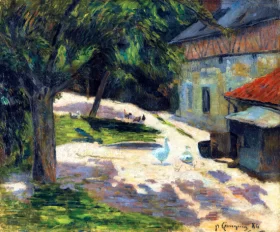
Le Poulailler
By Paul GauguinSizes starting at kr2.569.00
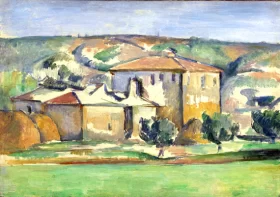
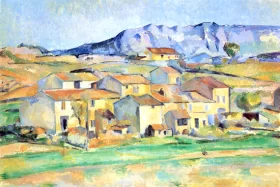
Provencal Manor 1885
By Paul CezanneSizes starting at kr2.729.00Road Menders At Saint-Remy (1889)
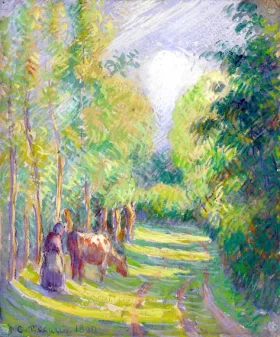
By Vincent Van GoghSizes starting at kr2.559.00VachèRe Dans une ClairièRe 1890
By Camille PissarroSizes starting at kr2.509.00
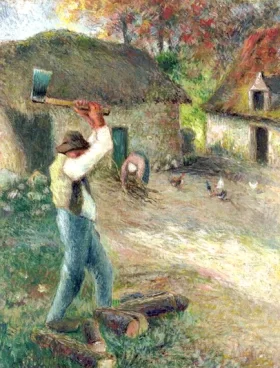
Le Pere Melon Fendant du Bois 1880
By Camille PissarroSizes starting at kr2.619.00
Le Vallon
By Paul GauguinSizes starting at kr2.919.00
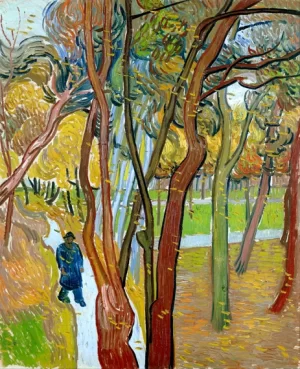
The Garden Of Saint Paul’s Hospital (The Fall Of The Leaves) 1889
By Vincent Van GoghSizes starting at kr2.539.00
The White Wall
By Paul CezanneSizes starting at kr2.969.00Hamlet at Payannet, near Gardanne
By Paul CezanneSizes starting at kr2.809.00
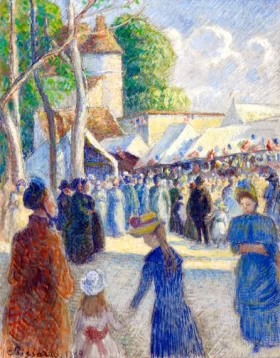
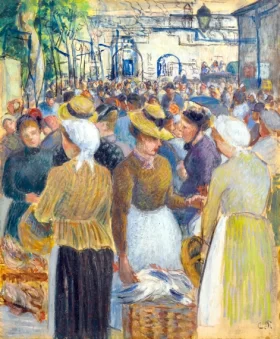
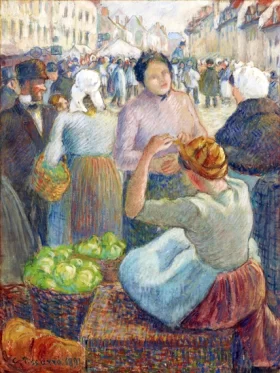
La Foire de Gisors 1889
By Camille PissarroSizes starting at kr2.589.00
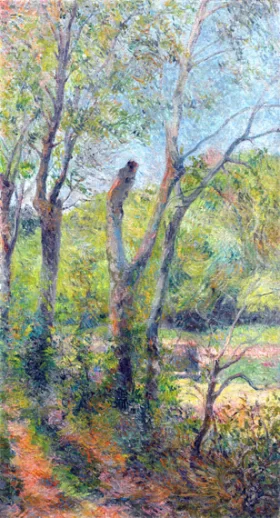
Les Saules
By Paul GauguinSizes starting at kr3.129.00
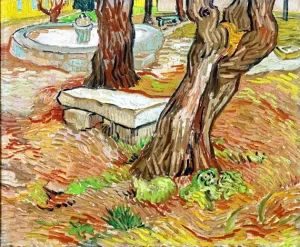
The Stone Bench In The Asylum At Saint-Remy 1889
By Vincent Van GoghSizes starting at kr2.539.00
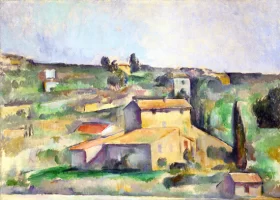
Fields at Bellevue
By Paul CezanneSizes starting at kr2.699.00
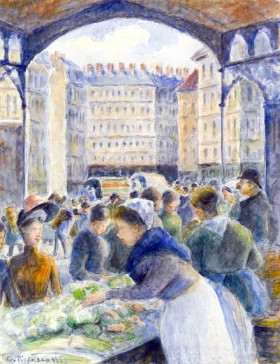
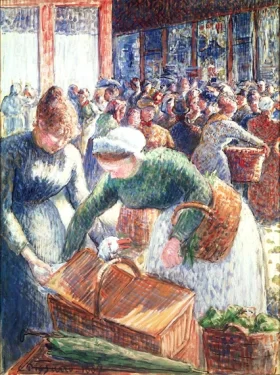
Le Marché
By Camille PissarroSizes starting at kr2.589.00
Paris in the Snow
By Paul GauguinSizes starting at kr2.559.00Path In The Garden Of The Asylum
By Vincent Van GoghSizes starting at kr2.539.00
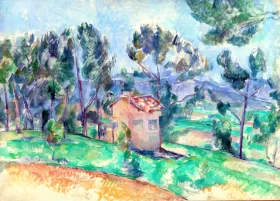
Hunting Cabin in Provence
By Paul CezanneSizes starting at kr2.699.00
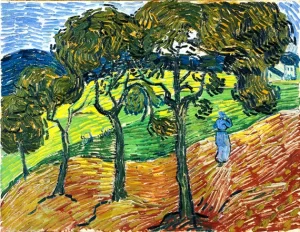
Landscape With Trees And Figures
By Vincent Van GoghSizes starting at kr2.619.00
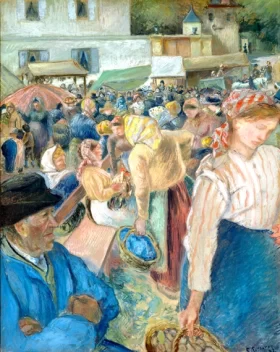
Marché à La Volaille à Gisors 1890
By Camille PissarroSizes starting at kr2.509.00
Nirvana, Portrait of Jacob Meyer De Haan
By Paul GauguinSizes starting at kr2.879.00
Forest Interior
By Paul CezanneSizes starting at kr2.669.00Le Marché de Gisors, Grande-Rue 1885
By Camille PissarroSizes starting at kr2.509.00Parc De L’hôpital Saint-Paul
By Vincent Van GoghSizes starting at kr2.589.00
Young Breton Woman
By Paul GauguinSizes starting at kr2.689.00
Farm in Normandy, Summer (Hattenville) 1882
By Paul CezanneSizes starting at kr2.619.00
Pine Trees In The Garden Of The Asylum
By Vincent Van GoghSizes starting at kr2.429.00
Portrait of a Pont-Aven Woman
By Paul GauguinSizes starting at kr2.869.00
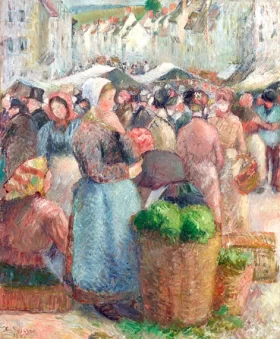
The Market at Gisors 1887
By Camille PissarroSizes starting at kr2.649.00
Farm in Normandy
By Paul CezanneSizes starting at kr2.649.00Hospital At Saint-Remy, 1889
By Vincent Van GoghSizes starting at kr2.559.00
Portrait of a Young Woman. VaïTe (Jeanne) Goupil
By Paul GauguinSizes starting at kr2.579.00The Market at Gisors 1895
By Camille PissarroSizes starting at kr2.509.00
Farm in Normandy- the Orchard 1882
By Paul CezanneSizes starting at kr2.559.00
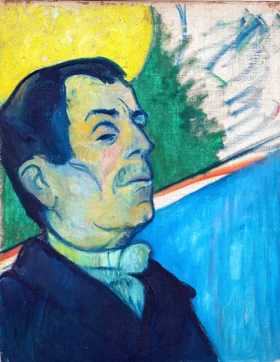
Portrait of a Man
By Paul GauguinSizes starting at kr2.689.00
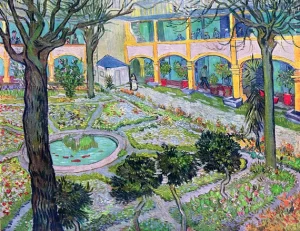
The Courtyard Of The Hospital At Arles
By Vincent Van GoghSizes starting at kr2.619.00The Marketplace, 1882
By Camille PissarroSizes starting at kr2.559.00Bend of the road at the Top of the Chemin Des Lauves
By Paul CezanneSizes starting at kr2.559.00Portrait of Louis Roy
By Paul GauguinSizes starting at kr2.659.00
The Entrance Hall Of Saint-Paul Hospital
By Vincent Van GoghSizes starting at kr2.669.00
The Marketplace, Gisors 1891
By Camille PissarroSizes starting at kr2.649.00
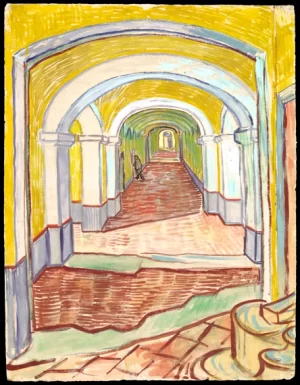
Corridor In The Asylum
By Vincent Van GoghSizes starting at kr2.589.00
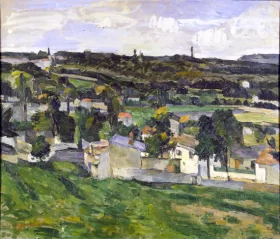
Groupe De Maisons – Les Toits
By Paul CezanneSizes starting at kr2.539.00
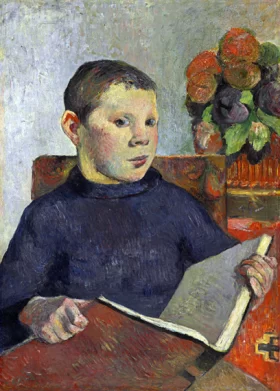
Portrait of Madeleine Bernard
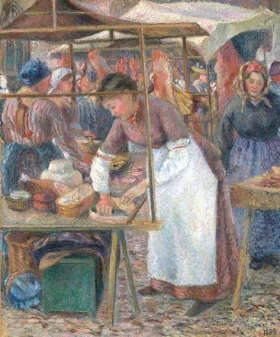
By Paul GauguinSizes starting at kr2.659.00The Pork Butcher
By Camille PissarroSizes starting at kr2.509.00
Groupe De Maisons, Paysage D’île De France
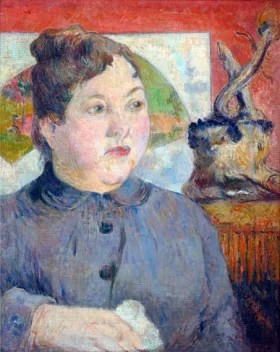
By Paul CezanneSizes starting at kr2.539.00Madame Alexandre Kohler
By Paul GauguinSizes starting at kr2.659.00Pine Trees In The Garden Of Saint-Paul Hospital
By Vincent Van GoghSizes starting at kr2.649.00The Poultry Market at Pontoise 1882
By Camille PissarroSizes starting at kr2.559.00
House in Provence 1885
By Paul CezanneSizes starting at kr2.599.00
Poultry Market at Gisors 1885
By Camille PissarroSizes starting at kr2.319.00
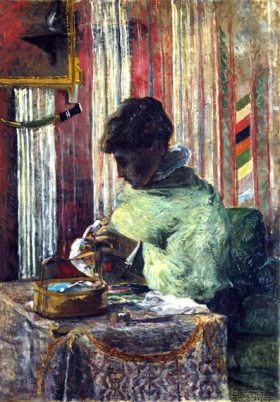
The Embroiderer
By Paul GauguinSizes starting at kr2.839.00Ward In The Hospital In Arles
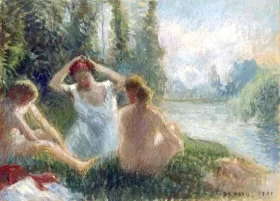
By Vincent Van GoghSizes starting at kr2.649.00Baigneuses assises au Bord D’Une RivièRe, 1901
By Camille PissarroSizes starting at kr2.699.00
Interior of a Forest
By Paul CezanneSizes starting at kr2.539.00Madame Mette Gauguin in Evening Dress
By Paul GauguinSizes starting at kr2.599.00
Trees In The Garden Of Saint-Paul Hospital
By Vincent Van GoghSizes starting at kr2.559.00
Clovis
By Paul GauguinSizes starting at kr2.809.00
Festival at L’Hermitage
By Camille PissarroSizes starting at kr2.509.00Jas De Bouffan, the Pool 1876
By Paul CezanneSizes starting at kr2.539.00Olive Trees On A Hillside
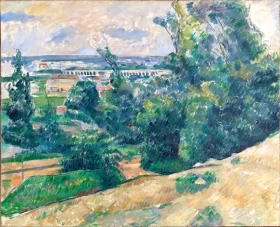
By Vincent Van GoghSizes starting at kr2.539.00L’aqueduc Du Canal De Verdon Au Nord D’aix
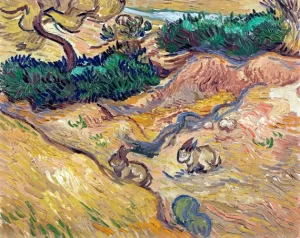
By Paul CezanneSizes starting at kr2.599.00Landscape With Rabbits
By Vincent Van GoghSizes starting at kr2.629.00
Sarcleurs Dans Les Champs, Pontoise 1875
By Camille PissarroSizes starting at kr2.569.00Self Portrait
By Paul GauguinSizes starting at kr2.629.00Garden at Val Hermeil 1880
By Camille PissarroSizes starting at kr2.569.00L’estaque, the Village and the Sea 1882
By Paul CezanneSizes starting at kr2.559.00Self Portrait Dedicated to CarrièRe
By Paul GauguinSizes starting at kr2.629.00
The Siesta (After Millet) 1891
By Vincent Van GoghSizes starting at kr2.589.00La Rivière Dans La Plaine 1865
By Paul CezanneSizes starting at kr2.619.00La Vachere
By Camille PissarroSizes starting at kr2.629.00