사이트 전체 5% 할인 | 결제 시 KMKR5 코드를 사용하세요.
- Choose your Country

사이트 전체 5% 할인 | 결제 시 KMKR5 코드를 사용하세요.
에드워드 호퍼
Edward Hopper (July 22, 1882 – May 15, 1967) American painter whose realistic depictions of everyday urban scenes shock the viewer into recognition of the strangeness of familiar surroundings. He strongly influenced the Pop art and New Realist painters of the 1960s and 1970s. Hopper was a minor-key artist, creating subdued drama out of commonplace subjects ‘layered with a poetic meaning’, inviting narrative interpretations, often unintended. He was praised for ‘complete verity’ in the America he portrayed.
Hopper was born in 1882 in Nyack, New York, a yacht-building center on the Hudson River north of New York City. He was one of two children of a comfortably well-off family. His parents, of mostly Dutch ancestry, were Elizabeth Griffiths Smith and Garret Henry Hopper, a dry-goods merchant.
Hopper was a good student in grade school and showed talent in drawing at age five. He readily absorbed his father’s intellectual tendencies and love of French and Russian cultures. He also demonstrated his mother’s artistic heritage. Hopper’s parents encouraged his art and kept him amply supplied with materials, instructional magazines, and illustrated books. In 1895, he created his first signed oil painting, Rowboat in Rocky Cove, which he copied from a reproduction in The Art Interchange, a popular journal for amateur artists. Hopper’s other earliest oils such as Old ice pond at Nyack and his c.1898 painting Ships have been identified as copies of paintings by artists including Bruce Crane and Edward Moran.
Hopper began art studies with a correspondence course in 1899. Soon he transferred to the New York School of Art and Design, the forerunner of Parsons The New School for Design. There he studied for six years, with teachers including William Merritt Chase, who instructed him in oil painting. Early on, Hopper modeled his style after Chase and French Impressionist masters Edouard Manet and Edgar Degas. Sketching from live models proved a challenge and a shock for the conservatively raised Hopper.
between 1901 and 1906, he studied painting under Robert Henri, a member of a group of painters called the Ashcan School. Hopper’s first surviving oil painting to hint at his use of interiors as a theme was Solitary Figure in a Theater (c.1904). Hopper travelled to Europe three times between 1906 and 1910, but he remained untouched by the experimental work then blossoming in France and continued throughout his career to follow his own artistic course.
After returning from his last European trip, Hopper rented a studio in New York City, where he struggled to define his own style. Reluctantly, he returned to illustration to support himself. Being a freelancer, Hopper was forced to solicit for projects, and had to knock on the doors of magazine and agency offices to find business. His painting languished: “it’s hard for me to decide what I want to paint. I go for months without finding it sometimes. It comes slowly.” In 1912 (February 22 to March 5) he was included in the exhibition of The Independents a group of artists at the initiative of Robert Henri but did not make any sales.
In 1912, Hopper traveled to Gloucester, Massachusetts, to seek some inspiration and made his first outdoor paintings in America. He painted Squam Light the first of many lighthouse paintings to come.
In 1913, at the Armory Show, Hopper earned $250 when he sold his first painting, Sailing (1911), to an American businessman Thomas F Vietor, which he had painted over an earlier self-portrait. Hopper was thirty-one, and although he hoped his first sale would lead to others in short order, his career would not catch on for many more years. He continued to participate in group exhibitions at smaller venues, such as the MacDowell Club of New York. Shortly after his father’s death that same year, Hopper moved to the 3 Washington Square North apartment in the Greenwich Village section of Manhattan, where he would live for the rest of his life.
At an impasse over his oil paintings, in 1915 Hopper turned to etching. By 1923 he had produced most of his approximately 70 works in this medium, many of urban scenes of both Paris and New York. He also produced some posters for the war effort, as well as continuing with occasional commercial projects. When he could, Hopper did some outdoor oil paintings on visits to New England, especially at the art colonies at Ogunquit, and Monhegan Island.
During the early 1920s his etchings began to receive public recognition. They expressed some of his later themes, as in Night on the El Train (couples in silence), Evening Wind (solitary female) and The Catboat (simple nautical scene). Two notable oil paintings of this time were New York Interior (1921) and New York Restaurant (1922). He also painted two of his many “window” paintings to come: Girl at Sewing Machine and Moonlight Interior both of which show a figure (clothed or nude) near a window of an apartment viewed as gazing out or from the point of view from the outside looking in.
By 1923, Hopper’s slow climb finally produced a breakthrough. He re-encountered Josephine Nivison, an artist and former student of Robert Henri, during a summer painting trip in Gloucester, Massachusetts. They were opposites: she was short, open, gregarious, sociable, and liberal, while he was tall, secretive, shy, quiet, introspective, and conservative. They married a year later with artist Guy Pene du Bois as their best man. She remarked: “Sometimes talking to Eddie is just like dropping a stone in a well, except that it doesn’t thump when it hits bottom.” She subordinated her career to his and shared his reclusive life style. The rest of their lives revolved around their spare walk-up apartment in the city and their summers in South Truro on Cape Cod. She managed his career and his interviews, was his primary model, and was his life companion.
With Nivison’s help, six of Hopper’s Gloucester watercolors were admitted to an exhibit at the Brooklyn Museum in 1923. One of them, The Mansard Roof, was purchased by the museum for its permanent collection for the sum of $100. The critics generally raved about his work; one stated, “What vitality, force and directness! Observe what can be done with the homeliest subject.” Hopper sold all his watercolors at a one-man show the following year and finally decided to put illustration behind him.
At forty-one, Hopper received further recognition for his work. He continued to harbor bitterness about his career, later turning down appearances and awards. With his financial stability secured by steady sales, Hopper would live a simple, stable life and continue creating art in his personal style for four more decades. His Two on the Aisle (1927) sold for a personal record $1,500, enabling Hopper to purchase an automobile, which he used to make field trips to remote areas of New England. In 1929, he produced Chop Suey and Railroad Sunset. The following year, art patron Stephen Clark donated House by the Railroad (1925) to the Museum of Modern Art, the first oil painting that it acquired for its collection.
Hopper was very productive through the 1930s and early 1940s, producing among many important works New York Movie (1939), Girlie Show (1941), Nighthawks (1942), Hotel Lobby (1943), and Morning in a City (1944). During the late 1940s, however, he suffered a period of relative inactivity. He admitted: “I wish I could paint more. I get sick of reading and going to the movies.” During the next two decades, his health faltered, and he had several prostate surgeries and other medical problems. But, in the 1950s and early 1960s, he created several more major works, including First Row Orchestra (1951); as well as Morning Sun and Hotel by a Railroad, both in 1952; and Intermission in 1963.
Hopper died of natural causes in his studio near Washington Square in New York City on May 15, 1967. He was buried two days later in the family plot at Oak Hill Cemetery in Nyack, New York, his place of birth. His wife died ten months later and is buried with him.
Like the painters of the Ashcan School, Hopper painted the commonplaces of urban life. But, unlike their loosely organized, vivacious paintings, his House by the Railroad (1925) and Room in Brooklyn (1932) show still, anonymous figures and stern geometric forms within snapshot-like compositions that create an inescapable sense of loneliness. This isolation of his subjects was heightened by Hopper’s characteristic use of light to insulate persons and objects in space, whether in the harsh morning light (Early Sunday Morning, 1930) or the eerie light of an all-night coffee stand (Nighthawks, 1942).
Works by Hopper rarely appear on the market. The artist was not prolific, painting just 366 canvases; during the 1950s, when he was in his 70s, he produced approximately five paintings a year. Hopper’s longtime dealer, Frank Rehn, who gave the artist his first solo show in 1924, sold Hotel Window (1956) to collector Olga Knoepke for $7,000 (equivalent to $64,501 in 2020) in 1957. In 1999, the Forbes Collection sold it to actor Steve Martin privately for around $10 million. In 2006, Martin sold it for $26.89 million at Sotheby’s New York, an auction record for the artist.
In 2013 the Pennsylvania Academy of Fine Arts put Hopper’s East Wind Over Weehawken (1934) up for sale, hoping to garner the $22–$28 million at which the painting is valued, in order to establish a fund to acquire “contemporary art” that would appreciate in value. It is a street scene rendered in dark, earthy tones depicting the gabled house at 1001 Boulevard East at the corner of 49th Street in Weehawken, New Jersey, and is considered one of Hopper’s best works. It was acquired directly from the dealer handling the artist’s paintings in 1952, fifteen years before the death of the painter, at a very low price. The painting sold for a record-breaking $36 million at Christie’s in New York.
In 2018, after the death of art collector Barney A. Ebsworth and subsequent auction of many of the pieces from his collection, Chop Suey (1929) was sold for $92 million, becoming the most expensive of Hopper’s work ever bought at auction.
Read more201–300/306개 결과 표시

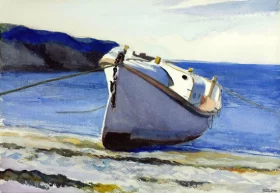
Coast Guard Boat I
으로 에드워드 호퍼크기 시작 ₩272,259
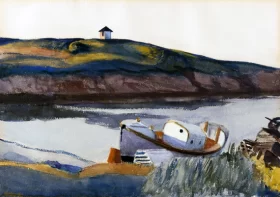
Coast Guard Cove
으로 에드워드 호퍼크기 시작 ₩269,429
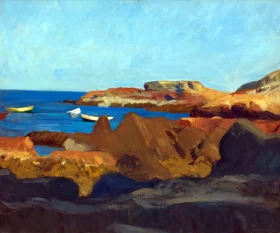
Three Dories
으로 에드워드 호퍼크기 시작 ₩267,649
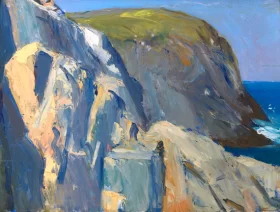
Blackhead, Monhegan
으로 에드워드 호퍼크기 시작 ₩263,759Blackhead, Monhegan
으로 에드워드 호퍼크기 시작 ₩263,759
Blackhead, Monhegan
으로 에드워드 호퍼크기 시작 ₩260,929
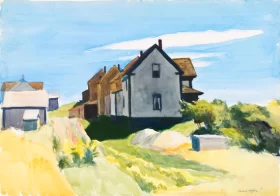
Monhegan Houses, Maine
으로 에드워드 호퍼크기 시작 ₩275,089
Bluffs, Monhegan Island
으로 에드워드 호퍼크기 시작 ₩264,739
Briar Neck, Gloucester 1912
으로 에드워드 호퍼크기 시작 ₩253,089
Cove at Ogunquit 1914
으로 에드워드 호퍼크기 시작 ₩253,089
Rocks and Cove 1929
으로 에드워드 호퍼크기 시작 ₩280,759
Rocks and Sand 1916
으로 에드워드 호퍼크기 시작 ₩260,929Rocks and Sea
으로 에드워드 호퍼크기 시작 ₩267,649Little Cove, Monhegan
으로 에드워드 호퍼크기 시작 ₩263,759
Rocks and Swirling Water
으로 에드워드 호퍼크기 시작 ₩258,099Rocks and Waves
으로 에드워드 호퍼크기 시작 ₩260,929
Rocky Cliffs by the Sea 1916
으로 에드워드 호퍼크기 시작 ₩260,929Rocky Sea Shore
으로 에드워드 호퍼크기 시작 ₩260,929
Rocky Projection at the Sea
으로 에드워드 호퍼크기 시작 ₩269,429Rocky Shore
으로 에드워드 호퍼크기 시작 ₩260,929
Sea at Ogunquit 1914
으로 에드워드 호퍼크기 시작 ₩253,089Rocky Shore and Sea
으로 에드워드 호퍼크기 시작 ₩264,739Rocky Shore and Sea
으로 에드워드 호퍼크기 시작 ₩260,929
Rocky Shore
으로 에드워드 호퍼크기 시작 ₩263,759The Dories, Ogunquit 1914
으로 에드워드 호퍼크기 시작 ₩253,089
Dories in a Cove 1914
으로 에드워드 호퍼크기 시작 ₩270,559Sea and Rocky Shore
으로 에드워드 호퍼크기 시작 ₩267,649Sea and Shore
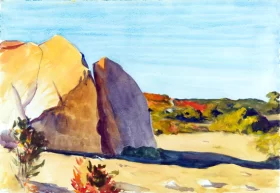
으로 에드워드 호퍼크기 시작 ₩260,929Square Rock, Ogunquit 1914
으로 에드워드 호퍼크기 시작 ₩253,089Waves and Rocky Shore
으로 에드워드 호퍼크기 시작 ₩267,649
Waves Crashing on Rocks, Monhegan
으로 에드워드 호퍼크기 시작 ₩272,259
Bluff
으로 에드워드 호퍼크기 시작 ₩255,999Bluffs
으로 에드워드 호퍼크기 시작 ₩260,929
Man with Beard
으로 에드워드 호퍼크기 시작 ₩292,829
Head of a Man
으로 에드워드 호퍼크기 시작 ₩282,599
Elizabeth Griffiths Smith Hopper, the Artist’s Mother
으로 에드워드 호퍼크기 시작 ₩268,939
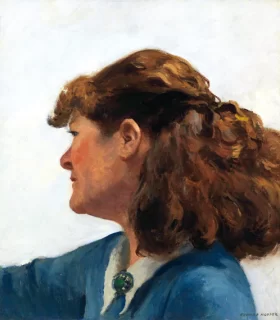
Jo Painting 1936
으로 에드워드 호퍼크기 시작 ₩265,519
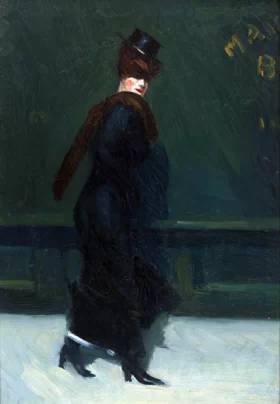
Woman Walking 1906
으로 에드워드 호퍼크기 시작 ₩272,259
Standing Indian Chief 1901
으로 에드워드 호퍼크기 시작 ₩306,249
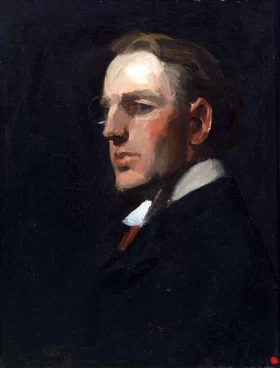
Portrait of a Man with Spectacles
으로 에드워드 호퍼크기 시작 ₩286,009
Portrait of a Woman
으로 에드워드 호퍼크기 시작 ₩275,769
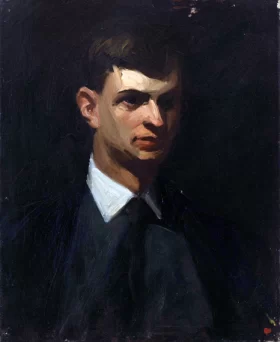
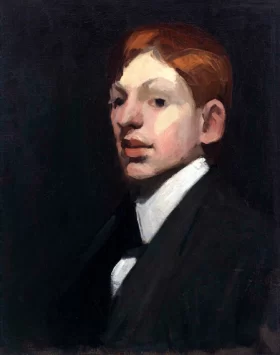
Portrait of a Young Man
으로 에드워드 호퍼크기 시작 ₩275,769
Portrait of a Young Man
으로 에드워드 호퍼크기 시작 ₩279,189
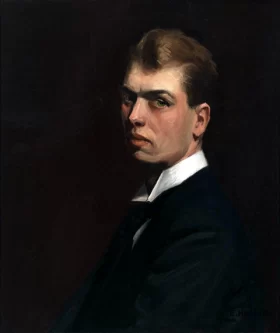
Self-Portrait
으로 에드워드 호퍼크기 시작 ₩272,359
Self-Portrait
으로 에드워드 호퍼크기 시작 ₩299,649Group of Musicians in an Orchestra Pit
으로 에드워드 호퍼크기 시작 ₩252,439
Blond Woman Before an Easel
으로 에드워드 호퍼크기 시작 ₩269,429
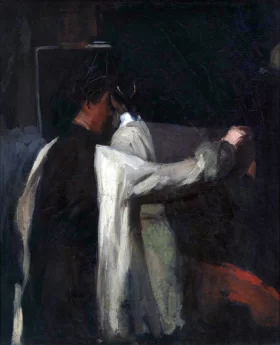
Painting Class
으로 에드워드 호퍼크기 시작 ₩249,609
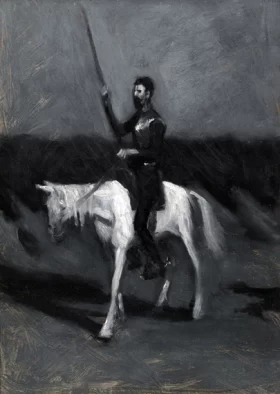
Don Quixote on Horseback
으로 에드워드 호퍼크기 시작 ₩266,599Man Seated on Bed
으로 에드워드 호퍼크기 시작 ₩255,269
Nude Walking Through Doorway 1902
으로 에드워드 호퍼크기 시작 ₩258,099
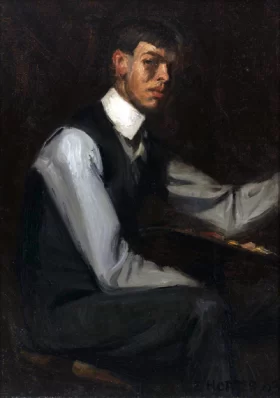
Solitary Figure in a Theater
으로 에드워드 호퍼크기 시작 ₩266,599
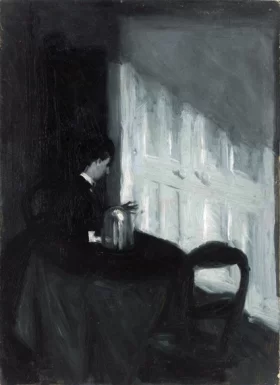
Woman Seated at Table 1906
으로 에드워드 호퍼크기 시작 ₩263,759Young Woman in a Studio
으로 에드워드 호퍼크기 시작 ₩263,759
Still Life with Earthenware Jug 1903
으로 에드워드 호퍼크기 시작 ₩252,439
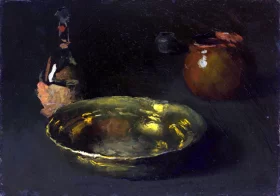
Still Life with Wine Bottle and Metal Bowl 1903
으로 에드워드 호퍼크기 시작 ₩276,389Reclining Female Nude, from Rear
으로 에드워드 호퍼크기 시작 ₩280,759
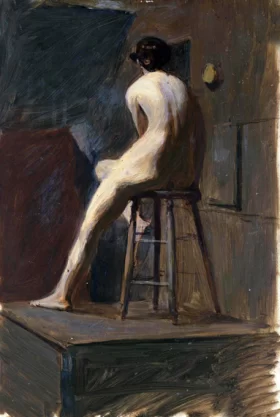
Female Nude, from Rear, Seated on a Stool
으로 에드워드 호퍼크기 시작 ₩275,089
Nude Crawling Into Bed
으로 에드워드 호퍼크기 시작 ₩263,759
Woman Standing Nude
으로 에드워드 호퍼크기 시작 ₩297,749
Standing Nude
으로 에드워드 호퍼크기 시작 ₩275,089
Seated Male Nude Seen from Behind)
으로 에드워드 호퍼크기 시작 ₩277,929
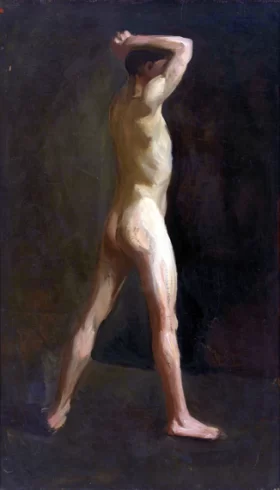
Male Nude with Raised Arms
으로 에드워드 호퍼크기 시작 ₩300,589
Man Drinking
으로 에드워드 호퍼크기 시작 ₩266,599Reclining Nude
으로 에드워드 호퍼크기 시작 ₩276,389Jo Sketching at Good Harbor Beach
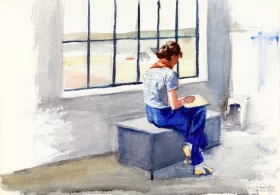
으로 에드워드 호퍼크기 시작 ₩272,259Jo Sketching in the Truro House
으로 에드워드 호퍼크기 시작 ₩272,259
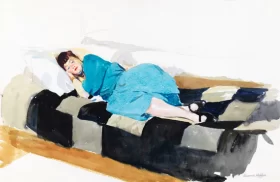
Jo Sleeping
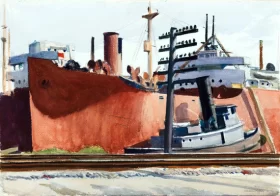
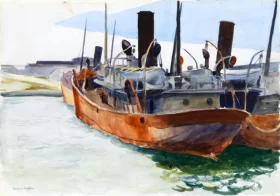
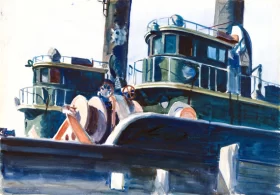
으로 에드워드 호퍼크기 시작 ₩280,759Docked Freighter and Tugboat
으로 에드워드 호퍼크기 시작 ₩269,429Trawler
으로 에드워드 호퍼크기 시작 ₩269,429Two Trawlers
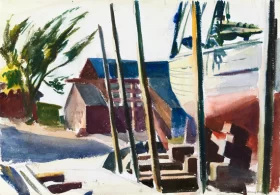
으로 에드워드 호퍼크기 시작 ₩272,259Boatyard
으로 에드워드 호퍼크기 시작 ₩272,259
Mrs. Acorn’s Parlor 1926
으로 에드워드 호퍼크기 시작 ₩272,259Rocky Shore 1930
으로 에드워드 호퍼크기 시작 ₩272,259Rocky Shore and Water
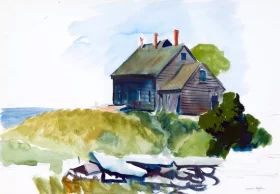
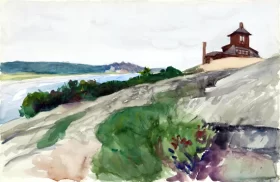
으로 에드워드 호퍼크기 시작 ₩269,429House by the Sea
으로 에드워드 호퍼크기 시작 ₩272,259Beach Cottage Near Rocks 1924
으로 에드워드 호퍼크기 시작 ₩272,259Cove with Cliffs
으로 에드워드 호퍼크기 시작 ₩276,389Destroyer and Rocky Shore
으로 에드워드 호퍼크기 시작 ₩272,259
Oregon Coast
으로 에드워드 호퍼크기 시작 ₩273,469Rocky Cove Ii
으로 에드워드 호퍼크기 시작 ₩272,259Small Town on Cove
으로 에드워드 호퍼크기 시작 ₩269,429Dune at Truro
으로 에드워드 호퍼크기 시작 ₩269,429Rocks 1926
으로 에드워드 호퍼크기 시작 ₩269,429
Shoshone Cliffs, Wyoming
으로 에드워드 호퍼크기 시작 ₩252,439Automobile Near a Cabin 1929
으로 에드워드 호퍼크기 시작 ₩272,259Back Street, Gloucester
으로 에드워드 호퍼크기 시작 ₩272,259Gloucester Houses
으로 에드워드 호퍼크기 시작 ₩272,259Group of Houses
으로 에드워드 호퍼크기 시작 ₩276,389Pink House with Stone Wall 1925
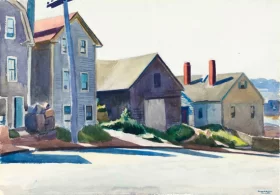
으로 에드워드 호퍼크기 시작 ₩276,389Street Corner
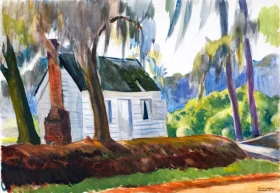
으로 에드워드 호퍼크기 시작 ₩272,259Cabin, Charleston, S.C. 1929
으로 에드워드 호퍼크기 시작 ₩272,259
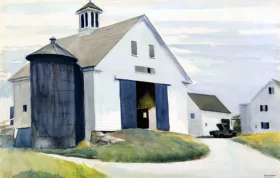
Barn at Essex
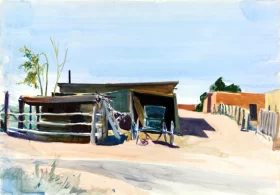
으로 에드워드 호퍼크기 시작 ₩290,949Adobes and Shed, New Mexico 1925
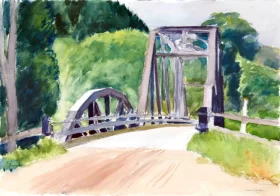
으로 에드워드 호퍼크기 시작 ₩272,259Country Bridge
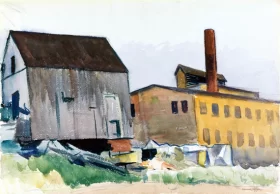
으로 에드워드 호퍼크기 시작 ₩269,429Factory and Shed 1929
으로 에드워드 호퍼크기 시작 ₩272,259House Above a River 1924
으로 에드워드 호퍼크기 시작 ₩280,759Houses Near a Dry Stream 1925
으로 에드워드 호퍼크기 시작 ₩272,259Landscape with Rocks 1924
으로 에드워드 호퍼크기 시작 ₩280,759Lime Rock Quarry 1926
으로 에드워드 호퍼크기 시작 ₩272,259