사이트 전체 5% 할인 | 결제 시 KMKR5 코드를 사용하세요.
- Choose your Country

사이트 전체 5% 할인 | 결제 시 KMKR5 코드를 사용하세요.
표현주의
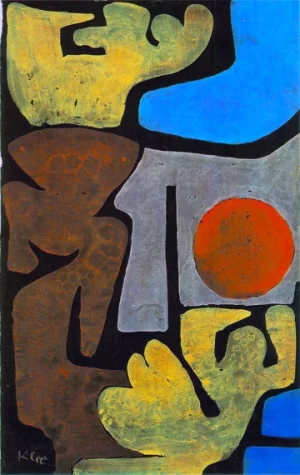
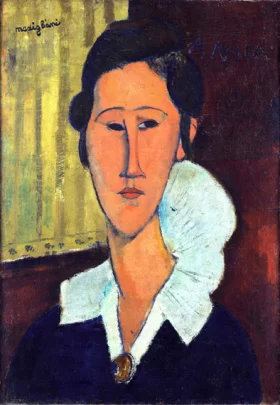
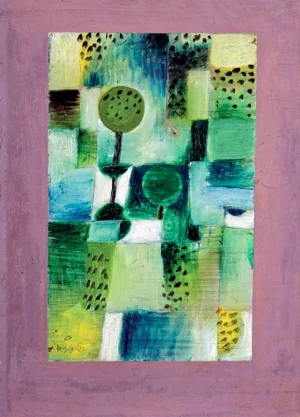
Expressionism was a cultural movement originating in Germany at the start of the 20th-century as a reaction to positivism and other artistic movements such as naturalism and impressionism. It sought to express the meaning of “being alive” and emotional experience rather than physical reality. It is the tendency of an artist to distort reality for an emotional effect, it is a subjective art form.
Expressionism is exhibited in many art forms, including: painting, literature, theatre, film, architecture and music. The term often implies emotional angst. In a general sense, painters such as Matthias Grunewald and El Greco can be called expressionist, though in practice, the term is applied mainly to 20th century works.
Although it is used as a term of reference, there has never been a distinct movement that called itself “expressionism”, apart from the use of the term by Herwarth Walden in his polemic magazine Der Sturm in 1912. The term is usually linked to paintings and graphic work in Germany at the turn of the century which challenged the academic traditions, particularly through the Die Brucke and Der Blaue Reiter groups. Philosopher Friedrich Nietzsche played a key role in originating modern expressionism by clarifying and serving as a conduit for previously neglected currents in ancient art.
In The Birth of Tragedy Nietzsche presented his theory of the ancient dualism between two types of aesthetic experience, namely the Apollonian and the Dionysian, a dualism between the plastic “art of sculpture”, of lyrical dream-inspiration, identity (the principium individuationis), order, regularity, and calm repose, and, on the other hand, the non-plastic “art of music”, of intoxication, forgetfulness, chaos, and the ecstatic dissolution of identity in the collective. The analogy with the world of the Greek gods typifies the relationship between these extremes: two godsons, incompatible and yet inseparable. According to Nietzsche, both elements are present in any work of art. The basic characteristics of expressionism are Dionysian: bold colours, distorted forms-in-dissolution, two-dimensional, without perspective.
More generally the term refers to art that expresses intense emotion. It is arguable that all artists are expressive but there is a long line of art production in which heavy emphasis is placed on communication through emotion. Such art often occurs during time of social upheaval, and through the tradition of graphic art there is a powerful and moving record of chaos in Europe from the 15th century on the Protestant Reformation, Peasants’ War, Eight Years’ War, Spanish Occupation of the Netherlands, the rape, pillage and disaster associated with countless periods of chaos and oppression are presented in the documents of the printmaker. Often the work is unimpressive aesthetically, but almost without exception has the capacity to move the viewer to strong emotions with the drama and often horror of the scenes depicted.
The term was also coined by Czech art historian Antonin Matejcek in 1910 as the opposite of impressionism: “An Expressionist wishes, above all, to express himself….(An Expressionist rejects) immediate perception and builds on more complex psychic structures…. Impressions and mental images that pass through mental peoples soul as through a filter which rids them of all substantial accretions to produce their clear essence […and] are assimilated and condense into more general forms, into types, which he transcribes through simple short-hand formulae and symbols.” (Gordon, 1987)
The movement primarily originated in Germany and Austria. There were a number of Expressionist groups in painting, including the Blaue Reiter and Die Brucke. The Der Blaue Reiter group was based in Munich and Die Brucke was based originally in Dresden (although some later moved to Berlin). Die Brucke was active for a longer period than Der Blaue Reiter which was only truly together for a year (1912). The Expressionists had many influences, among them Munch, Vincent van Gogh, and African art. They also came to know the work being done by the Fauves in Paris.
Influenced by the Fauves, Expressionism worked with arbitrary colors as well as jarring compositions. In reaction and opposition to French impressionism which focused on rendering the sheer visual appearance of objects, Expressionist artists sought to capture emotions and subjective interpretations: It was not important to reproduce an aesthetically pleasing impression of the artistic subject matter, the Expressonists focused on capturing vivid emotional reactions through powerful colors and dynamic compositions instead. The leader of Der Blaue Reiter, Kandinsky, would take this a step further. He believed that with simple colors and shapes the spectator could perceive the moods and feelings in the paintings, therefore he made the move to abstraction.
Expressionist imagery exploded into modern art from the subconscious. Its diverse formal means and emotional effects range from anguish to exuberance. As the powerful, personal creations of modern individuals, these images have little in common except their inventive power and their reliance upon a distinctly private vision.
In late 1939, at the beginning of World War II, New York welcomed a great number of leading European artists.
The heritage of their interest in the mythic realm of the unconscious would be continued-and extended-by another group of younger, New World artists-New York School.
American Expressionism and American Figurative Expressionism particularly the Boston figurative expressionism were an integral part of American modernism around the Second World War.
Major figurative Boston expressionists included: Karl Zerbe, Hyman Bloom, Jack Levine, David Aronson, Philip Guston. The Boston figurative expressionists post World War II were increasingly marginalized by the development of abstract expressionism centered in New York City.
Later in the 20th century, after World War II, figurative expressionism influenced worldwide a large number of artists and movements. Thomas B. Hess, wrote:
“the ‘New figurative painting’ which some have been expecting as a reaction against Abstract Expressionism was implicit in it at the start, and is one of its most lineal continuities.”
Read more901–1000/1692개 결과 표시

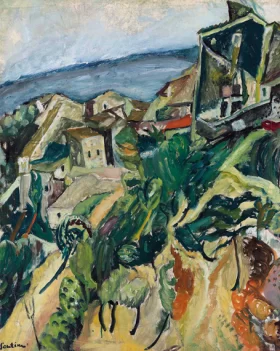
Maisons au bord de mer 1918
으로 샹 수틴크기 시작 ₩279,189
Night Feast
으로 폴 클레크기 시작 ₩296,239
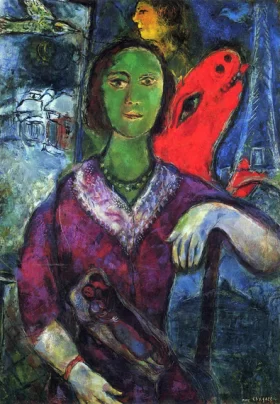
Portrait of Vava
으로 마르크 샤갈 (영감을 받아서)크기 시작 ₩331,949
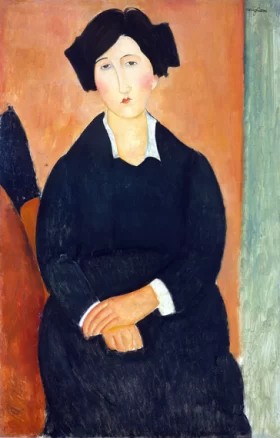
The Black Dress 1918
으로 아메데오 모디리아니크기 시작 ₩347,799
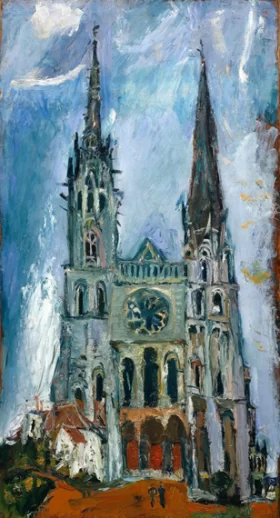
La cathédrale de Chartres, 1933
으로 샹 수틴크기 시작 ₩350,629
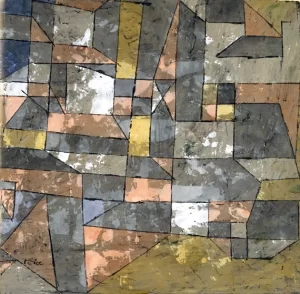
North German City
으로 폴 클레크기 시작 ₩251,839
Quarrel
으로 마르크 샤갈 (영감을 받아서)크기 시작 ₩292,239The Italian woman 1917
으로 아메데오 모디리아니크기 시작 ₩347,799
House near Paris 1918
으로 샹 수틴크기 시작 ₩306,459
Omega 5 (Traps)
으로 폴 클레크기 시작 ₩289,419
Rebecca à la Fontaine
으로 마르크 샤갈 (영감을 받아서)크기 시작 ₩320,059
The Pretty Housewife 1915
으로 아메데오 모디리아니크기 시작 ₩452,409
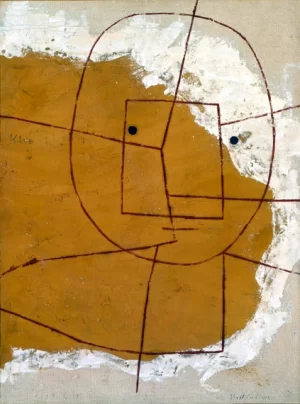
One Who Understands
으로 폴 클레크기 시작 ₩289,419
Promenade auprès du village
으로 샹 수틴크기 시작 ₩276,449
Rêve D’amour
으로 마르크 샤갈 (영감을 받아서)크기 시작 ₩312,119
The Student 1918
으로 아메데오 모디리아니크기 시작 ₩320,059
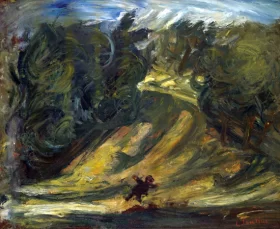
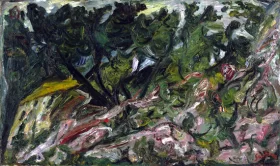
Landscape with Figure (Paysage avec figure)
으로 샹 수틴크기 시작 ₩283,479
Outstretched
으로 폴 클레크기 시작 ₩340,459
Scène Champêtre
으로 마르크 샤갈 (영감을 받아서)크기 시작 ₩300,189
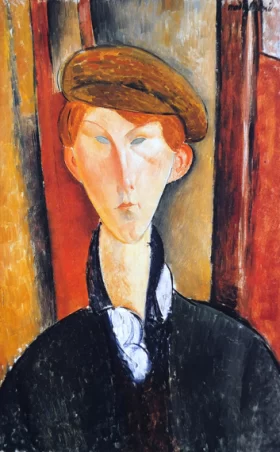
Young Man with Cap 1919
으로 아메데오 모디리아니크기 시작 ₩355,719
Owl Comedy
으로 폴 클레크기 시작 ₩306,459
Paysage 1939 1
으로 샹 수틴크기 시작 ₩275,769
Rain
으로 마르크 샤갈 (영감을 받아서)크기 시작 ₩304,169Young woman (Totote De La Gaîté) 1917
으로 아메데오 모디리아니크기 시작 ₩320,059
Landscape with character
으로 샹 수틴크기 시작 ₩296,239
P Fourteen
으로 폴 클레크기 시작 ₩330,269
Rencontre
으로 마르크 샤갈 (영감을 받아서)크기 시작 ₩316,089
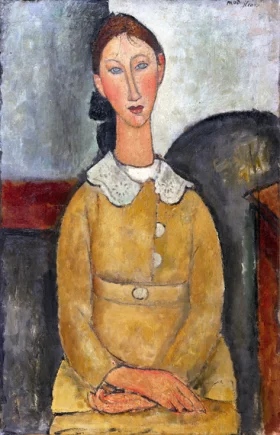
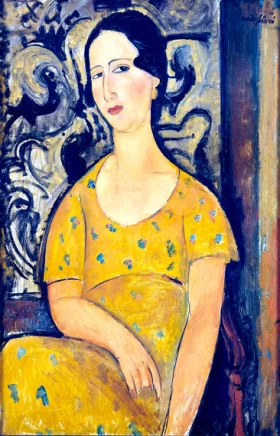
Young woman in Yellow 1917
으로 아메데오 모디리아니크기 시작 ₩343,839
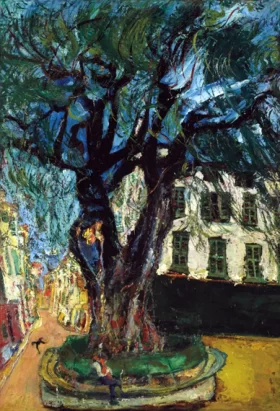
L’arbre de Vence
으로 샹 수틴크기 시작 ₩265,519
Palaces
으로 폴 클레크기 시작 ₩316,669
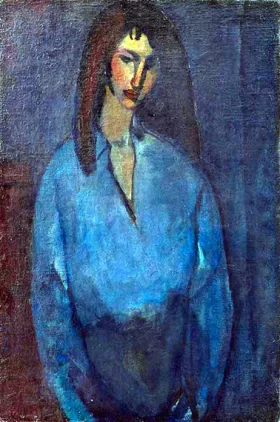
Portrait of young Girl in Blue Blouse 1910
으로 아메데오 모디리아니크기 시작 ₩339,879
The Blue Circus
으로 마르크 샤갈 (영감을 받아서)크기 시작 ₩312,119
L’arbre de Vence 1
으로 샹 수틴크기 시작 ₩303,049
Park Of Idols
으로 폴 클레크기 시작 ₩316,669
Ritratto Di Hanka Zborowska 1917
으로 아메데오 모디리아니크기 시작 ₩331,949
The Blue Village (Second Version)
으로 마르크 샤갈 (영감을 받아서)크기 시작 ₩296,219
Landscape with trees in the wind 1919
으로 샹 수틴크기 시작 ₩279,189
Parkbild Bei Regen
으로 폴 클레크기 시작 ₩296,239
The Burgundian woman 1918
으로 아메데오 모디리아니크기 시작 ₩371,529
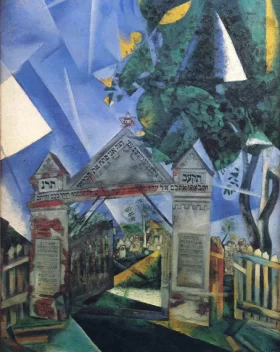
The Cemetery Gates 1917
으로 마르크 샤갈 (영감을 받아서)크기 시작 ₩304,169
landscape near Cagnes 1923
으로 샹 수틴크기 시작 ₩272,359Le coq rouge au bord de l’eau
으로 마르크 샤갈 (영감을 받아서)크기 시작 ₩304,169
Parklandschaft
으로 폴 클레크기 시작 ₩380,969
The Beautiful Spaniard – Lady Modot 1918
으로 아메데오 모디리아니크기 시작 ₩343,839
Landscape, Chemin des Caucours, Cagnes-sur-Mer 1924
으로 샹 수틴크기 시작 ₩275,769Parts Of A Landscape Assembled
으로 폴 클레크기 시작 ₩304,509
The Eiffel Tower
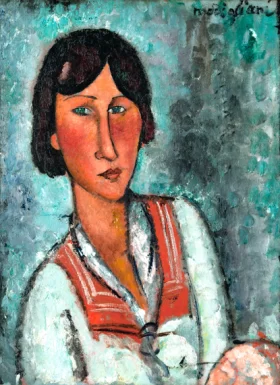
으로 마르크 샤갈 (영감을 받아서)크기 시작 ₩300,189Woman in a Sailor Shirt 1916
으로 아메데오 모디리아니크기 시작 ₩347,799
Italian
으로 아메데오 모디리아니크기 시작 ₩292,239
Landscape in Céret 1920
으로 샹 수틴크기 시작 ₩283,479Perspektive Figuration
으로 폴 클레크기 시작 ₩279,189
Scène de Village à L’animal Bleu
으로 마르크 샤갈 (영감을 받아서)크기 시작 ₩305,079
A Man 1916
으로 아메데오 모디리아니크기 시작 ₩300,189Le Soleil Et La Vague
으로 샹 수틴크기 시작 ₩296,239
Por
으로 폴 클레크기 시작 ₩286,009Révolution
으로 마르크 샤갈 (영감을 받아서)크기 시작 ₩305,079Landscape, Céret 1919
으로 샹 수틴크기 시작 ₩333,669
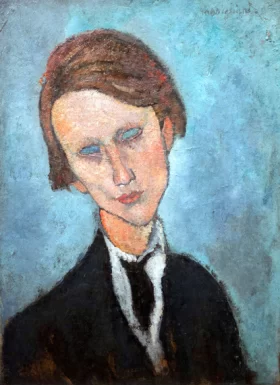
Pierre-Edouard Baranowski 1918
으로 아메데오 모디리아니크기 시작 ₩320,059Portrait Of A Violet-Eyed Woman)
으로 폴 클레크기 시작 ₩268,939
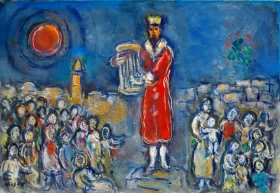
Roi David à Jérusalem
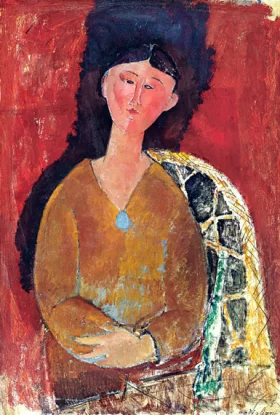
으로 마르크 샤갈 (영감을 받아서)크기 시작 ₩331,949Beatrice Hastings Assise 1915
으로 아메데오 모디리아니크기 시작 ₩335,919La Perdrix et Les Coqs
으로 마르크 샤갈 (영감을 받아서)크기 시작 ₩296,219Paysage avec des Personnages
으로 샹 수틴크기 시작 ₩272,359
Portrait Of A Yellow Man
으로 폴 클레크기 시작 ₩313,269
A grande árvore 1942
으로 샹 수틴크기 시작 ₩289,419Fillette à La Chevelure 1915
으로 아메데오 모디리아니크기 시작 ₩312,119
Portrait Of Mrs. P. In The South
으로 폴 클레크기 시작 ₩296,239
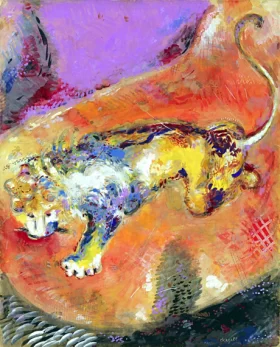
The lion and the rat
으로 마르크 샤갈 (영감을 받아서)크기 시작 ₩300,189Gypsy woman with Baby 1918
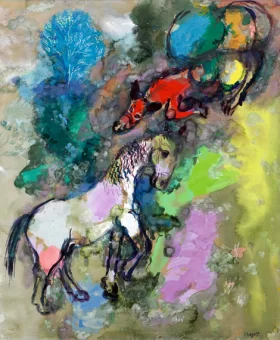
으로 아메데오 모디리아니크기 시작 ₩320,059Le Cheval et L’âne
으로 마르크 샤갈 (영감을 받아서)크기 시작 ₩296,219
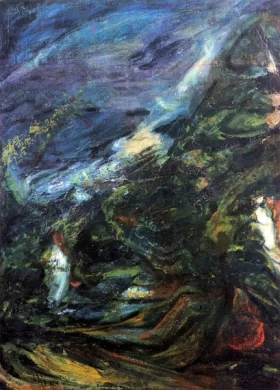
Paysage tormenté
으로 샹 수틴크기 시작 ₩296,239Possibilities At Sea
으로 폴 클레크기 시작 ₩251,839
Fables de la Fontaine
으로 마르크 샤갈 (영감을 받아서)크기 시작 ₩300,189
Gourdon sur Vence 1922
으로 샹 수틴크기 시작 ₩299,649
Head of a woman (Anna Zborowska)
으로 아메데오 모디리아니크기 시작 ₩331,949
Pretender
으로 폴 클레크기 시작 ₩296,239
L’aigle, la Laie et la Chatte
으로 마르크 샤갈 (영감을 받아서)크기 시작 ₩300,189
La Femme Blonde 1918
으로 아메데오 모디리아니크기 시작 ₩308,139
Protectress
으로 폴 클레크기 시작 ₩313,269
The Road up the Hill 1924
으로 샹 수틴크기 시작 ₩275,769
Jean Alexandre 1909
으로 아메데오 모디리아니크기 시작 ₩312,119
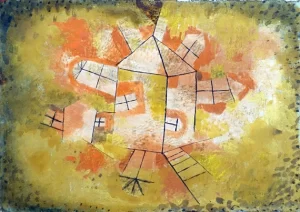
Revolving House
으로 폴 클레크기 시작 ₩299,649
Suburban Landscape with Red Houses
으로 샹 수틴크기 시작 ₩272,359
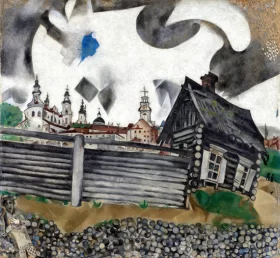
The Grey House 1917
으로 마르크 샤갈 (영감을 받아서)크기 시작 ₩280,299
Fallen Tree
으로 샹 수틴크기 시작 ₩296,239
Jeune Homme Assis, Les Mains Croisées Sur Les Genoux 1918
으로 아메데오 모디리아니크기 시작 ₩347,799
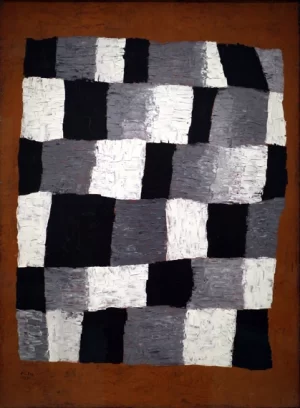
Rhythmically
으로 폴 클레크기 시작 ₩292,829
The Poet Reclining
으로 마르크 샤갈 (영감을 받아서)크기 시작 ₩268,339
Asiatic God
으로 폴 클레크기 시작 ₩337,059
La Fantesca 1915
으로 아메데오 모디리아니크기 시작 ₩379,419
Paysage 1
으로 샹 수틴크기 시작 ₩303,049
The Flying Carriage
으로 마르크 샤갈 (영감을 받아서)크기 시작 ₩288,259
Flayed Beef 1926
으로 샹 수틴크기 시작 ₩303,049
Le Violoncelliste 1909
으로 아메데오 모디리아니크기 시작 ₩355,719
Rocks At Night
으로 폴 클레크기 시작 ₩303,049
The Rainbow
으로 마르크 샤갈 (영감을 받아서)크기 시작 ₩268,339
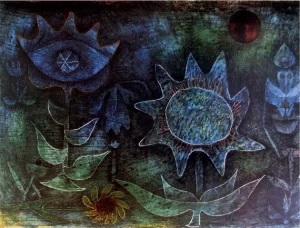
Blossoms In The Night
으로 폴 클레크기 시작 ₩293,999
Carcass of Beef
으로 샹 수틴크기 시작 ₩289,419
Léon Bakst 1917
으로 아메데오 모디리아니크기 시작 ₩359,669The Soldier Drinks
으로 마르크 샤갈 (영감을 받아서)크기 시작 ₩312,119