사이트 전체 5% 할인 | 결제 시 KMKR5 코드를 사용하세요.
- Choose your Country

사이트 전체 5% 할인 | 결제 시 KMKR5 코드를 사용하세요.
프랑수아 부셰
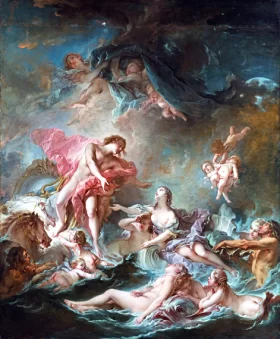
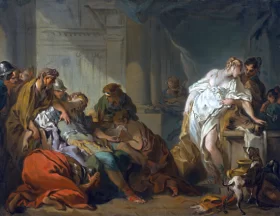
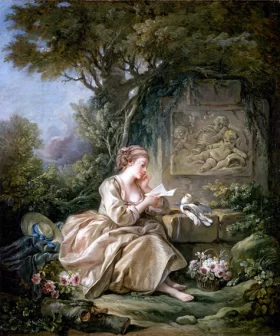
Francois Boucher (29 September 1703 – 30 May 1770) was a French painter, engraver, and designer whose works are regarded as the perfect expression of French taste in the Rococo period. Boucher is known for his idyllic and voluptuous paintings on classical themes, decorative allegories, and pastoral scenes. He was perhaps the most celebrated painter and decorative artist of the 18th century.
A native of Paris, Boucher was the son of a lesser known painter Nicolas Boucher, who gave him his first artistic training. At the age of seventeen, a painting by Boucher was admired by the painter François Lemoyne. Lemoyne later appointed Boucher as his apprentice, but after only three months, he went to work for the engraver Jean-François Cars.
In 1720, he won the elite Grand Prix de Rome for painting, but did not take up the consequential opportunity to study in Italy until five years later, due to financial problems at the Académie royale de peinture et de sculpture. Trained by his father, a lace designer, Boucher won the Prix de Rome in 1723. He was influenced by the works of Giovanni Battista Tiepolo, Peter Paul Rubens, and his teacher François Le Moyne.
On his return from studying in Italy he was admitted to the refounded Académie de peinture et de sculpture on 24 November 1731. Boucher married Marie-Jeanne Buzeau in 1733. The couple had three children together. Boucher became a faculty member in 1734 and his career accelerated from this point as he was promoted Professor then Rector of the Academy, becoming inspector at the Royal Gobelins Manufactory and finally Premier Peintre du Roi (First Painter of the King) in 1765. His morceau de réception (reception piece) was his Rinaldo and Armida of 1734.
Boucher first won fame with his sensuous and light-hearted mythological paintings and pastoral landscapes. He executed important decorative commissions for the queen at Versailles and for his friend and patron, Mme de Pompadour, at Versailles, Marly, and Bellevue. He became a member of the Royal Academy in 1734 and then became the principal producer of designs for the royal porcelain factories, as well as director of the Gobelins tapestry factory. In 1765 he became director of the Royal Academy and held the title of first painter to King Louis XV.
During the 1740s and ’50s Boucher’s elegant and refined but playful style became the hallmark of the court of Louis XV. His work was characterized by the use of delicate colours, gently modeled forms, facile technique, and light-hearted subject matter. Boucher is generally acclaimed as one of the great draftsmen of the 18th century, particularly in his handling of the female nude.
Although immensely successful, Boucher lost his artistic preeminence toward the end of his life; overproduction, poor translations of his paintings into tapestries, the growing sterility of his own work, and the emergence of Neoclassicism caused him to lose favour, both with the public and with such leading art critics as Denis Diderot.
Boucher took inspiration from artists such as Peter Paul Rubens and Antoine Watteau. Boucher’s early works celebrate the idyllic and tranquil portrayal of nature and landscape with great elan. However, his art typically forgoes traditional rural innocence to portray scenes with a definitive style of eroticism as his mythological scenes are passionate and intimately amorous rather than traditionally epic. Boucher’s paintings of a flirtatious shepherd and shepherdess in a woodland setting, featured in The Enjoyable Lesson (The Flute Players) of 1748 and An Autumn Pastoral (The Grape Eaters) of 1749, were based upon characters in a 1745 play by Boucher’s close friend Charles-Simon Favart. Boucher’s characters in those paintings later inspired a pair of figurines created by the Sèvres Porcelain Manufactory, c. 1757–66.
Boucher’s paintings such as The Breakfast (1739), a familial scene, show how he was as a master of the genre scene, where he regularly used his own wife and children as models. These intimate family scenes are contrasting to the licentious style seen in his Odalisque portraits.
Boucher died on 30 May 1770 in his native Paris. His name, along with that of his patron Madame de Pompadour, had become synonymous with the French Rococo style, leading the Goncourt brothers to write: “Boucher is one of those men who represent the taste of a century, who express, personify and embody it.”
Boucher is famous for saying that nature is “trop verte et mal éclairée” (too green and badly lit).
Read more1–100/186개 결과 표시

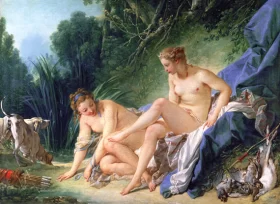
Diana leaving her Bath 1742
으로 프랑수아 부셰크기 시작 ₩360,379
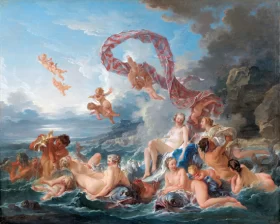
The Triumph of Venus 1740
으로 프랑수아 부셰크기 시작 ₩356,169
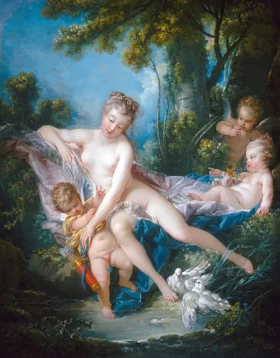
The Toilette of Venus 1751
으로 프랑수아 부셰크기 시작 ₩335,679
Venus in the Workshop of Vulcan 1757
으로 프랑수아 부셰크기 시작 ₩351,009Venus Consoling Love 1751
으로 프랑수아 부셰크기 시작 ₩361,319
Madame de Pompadour 1759
으로 프랑수아 부셰크기 시작 ₩312,119
Madame Bergeret
으로 프랑수아 부셰크기 시작 ₩320,059
Portrait of Madame Pompadour 1756
으로 프랑수아 부셰크기 시작 ₩312,119
L’Odalisque Brune 1743
으로 프랑수아 부셰크기 시작 ₩313,249
Resting Girl (Louise O’Murphy) 1751
으로 프랑수아 부셰크기 시작 ₩309,159
Resting Maiden 1752
으로 프랑수아 부셰크기 시작 ₩308,139
Allegory of Music 1764
으로 프랑수아 부셰크기 시작 ₩367,939
Allegory of Painting 1765
으로 프랑수아 부셰크기 시작 ₩361,319
La Toilette de Vénus 1746
으로 프랑수아 부셰크기 시작 ₩371,619Pan and Syrinx 1759
으로 프랑수아 부셰크기 시작 ₩361,319
Venus and Amor 1742
으로 프랑수아 부셰크기 시작 ₩350,979
The Four Seasons- Summer 1755
으로 프랑수아 부셰크기 시작 ₩361,319
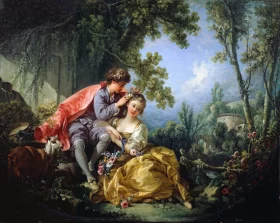
The Four Seasons- Spring 1755
으로 프랑수아 부셰크기 시작 ₩341,559The Four Seasons- Autumn 1755
으로 프랑수아 부셰크기 시작 ₩335,679The Four Seasons- Winter 1755
으로 프랑수아 부셰크기 시작 ₩335,679
The Milliner 1746
으로 프랑수아 부셰크기 시작 ₩321,929
Le Dejeuner
으로 프랑수아 부셰크기 시작 ₩326,519
The Rising of the Sun 1753
으로 프랑수아 부셰크기 시작 ₩340,699
The Setting of the Sun 1752
으로 프랑수아 부셰크기 시작 ₩345,859
Hercules and Omphale
으로 프랑수아 부셰크기 시작 ₩331,099
Companions of Diana 1745
으로 프랑수아 부셰크기 시작 ₩335,679
David and Bathsheba
으로 프랑수아 부셰크기 시작 ₩366,469
La Toilette de Vénus 1751
으로 프랑수아 부셰크기 시작 ₩335,679Venus disarming Cupid
으로 프랑수아 부셰크기 시작 ₩321,929
Venus and the Loves
으로 프랑수아 부셰크기 시작 ₩321,929
Venus Asking Vulcan for Arms for Aeneas 1732
으로 프랑수아 부셰크기 시작 ₩392,189
Venus at Vulcan’s Forge 1769
으로 프랑수아 부셰크기 시작 ₩371,619
The Triumph of Venus 1745
으로 프랑수아 부셰크기 시작 ₩314,899
Les Génies des Arts 1761
으로 프랑수아 부셰크기 시작 ₩309,729
Cupids, Allegory of Painting
으로 프랑수아 부셰크기 시작 ₩298,989
Cupids, Allegory of Poetry
으로 프랑수아 부셰크기 시작 ₩330,829
Mercury Confiding the Infant Bacchus to the Nymphs of Nysa
으로 프랑수아 부셰크기 시작 ₩381,909
Mars and Venus surprised by Vulcan 1754
으로 프랑수아 부셰크기 시작 ₩417,029
The Judgment of Paris 1754
으로 프랑수아 부셰크기 시작 ₩494,489
Vertumnus and Pomona 1757
으로 프랑수아 부셰크기 시작 ₩438,399
Danaë and the Shower of Gold
으로 프랑수아 부셰크기 시작 ₩321,929
The Rape of Europa
으로 프랑수아 부셰크기 시작 ₩345,859
Mercury confiding the Infant Bacchus to the Nymphs
으로 프랑수아 부셰크기 시작 ₩352,039Mercury Entrusting the Infant Bacchus to the Nymphs of Nysa
으로 프랑수아 부셰크기 시작 ₩367,939
The Education of Cupid 1742
으로 프랑수아 부셰크기 시작 ₩340,699
Jupiter in the Guise of Diana, and the Nymph Callisto 1759
으로 프랑수아 부셰크기 시작 ₩332,149Cupid Disarmed 1751
으로 프랑수아 부셰크기 시작 ₩331,099Cupids 1763
으로 프랑수아 부셰크기 시작 ₩361,319Diana a Callisto 1760
으로 프랑수아 부셰크기 시작 ₩367,939Rinaldo and Armida 1734
으로 프랑수아 부셰크기 시작 ₩367,939Pan and Syrinx 1743
으로 프랑수아 부셰크기 시작 ₩371,619
Les Confidences Pastorales 1745
으로 프랑수아 부셰크기 시작 ₩381,909
Diana Returning from the Hunt 1745
으로 프랑수아 부셰크기 시작 ₩387,049
Terpsichore, the Muse of Dancing and Song 1739
으로 프랑수아 부셰크기 시작 ₩363,119
Seated Nymph with Flutes
으로 프랑수아 부셰크기 시작 ₩397,329The Muse Clio
으로 프랑수아 부셰크기 시작 ₩367,689
Arion on the Dolphin 1748
으로 프랑수아 부셰크기 시작 ₩412,739
Putti composition 1762
으로 프랑수아 부셰크기 시작 ₩376,819Putti composition 1762
으로 프랑수아 부셰크기 시작 ₩381,389
Earth- Vertumnus and Pomona 1749
으로 프랑수아 부셰크기 시작 ₩385,949
Venus 1760
으로 프랑수아 부셰크기 시작 ₩438,399
Venus and Cupid
으로 프랑수아 부셰크기 시작 ₩408,729
Music and Dance and Cupids in Conspiracy
으로 프랑수아 부셰크기 시작 ₩453,769
Cupids in Conspiracy
으로 프랑수아 부셰크기 시작 ₩458,889Venus and Adonis
으로 프랑수아 부셰크기 시작 ₩453,769
Juno Asking Aeolus to Release the Winds 1769
으로 프랑수아 부셰크기 시작 ₩371,619
Boreas Abducting Oreithyia 1769
으로 프랑수아 부셰크기 시작 ₩371,619
The Chariot of Venus
으로 프랑수아 부셰크기 시작 ₩356,169The Cherub Harvesters
으로 프랑수아 부셰크기 시작 ₩361,319Putti as Fisherman 1744
으로 프랑수아 부셰크기 시작 ₩345,859
Cupid a Captive
으로 프랑수아 부셰크기 시작 ₩489,369
Venus and Vulcan 1754
으로 프랑수아 부셰크기 시작 ₩489,369
Aurora and Cephalus 1769
으로 프랑수아 부셰크기 시작 ₩763,239
Venus on the Waves 1769
으로 프랑수아 부셰크기 시작 ₩773,289The Reading of the Letter
으로 프랑수아 부셰크기 시작 ₩351,009
The Chinese Hunt
으로 프랑수아 부셰크기 시작 ₩351,009Le Jardin Chinois
으로 프랑수아 부셰크기 시작 ₩345,859
Chinoiserie
으로 프랑수아 부셰크기 시작 ₩402,469
The Chinese Marriage
으로 프랑수아 부셰크기 시작 ₩431,369
The Chinese Fair
으로 프랑수아 부셰크기 시작 ₩423,009
A young lady holding a pug dog
으로 프랑수아 부셰크기 시작 ₩300,189
Jeanne-Antoinette Poisson, Marquise de Pompadour 1750
으로 프랑수아 부셰크기 시작 ₩304,169
Portrait of madame Badouin, the artist’s daughter
으로 프랑수아 부셰크기 시작 ₩292,239Girl with Roses
으로 프랑수아 부셰크기 시작 ₩304,169A Lady on Her Day Bed 1743
으로 프랑수아 부셰크기 시작 ₩304,169Madame de Pompadour 1758
으로 프랑수아 부셰크기 시작 ₩309,159
La toilette 1742
으로 프랑수아 부셰크기 시작 ₩300,189Joseph Presenting His Father and Brothers to the Pharaoh
으로 프랑수아 부셰크기 시작 ₩356,169
Crossing the Ford
으로 프랑수아 부셰크기 시작 ₩304,169
Death of Meleager 1727
으로 프랑수아 부셰크기 시작 ₩312,119
Idylle rurale 1735
으로 프랑수아 부셰크기 시작 ₩308,569
The Secret Message 1767
으로 프랑수아 부셰크기 시작 ₩296,219A Study For La Ferme
으로 프랑수아 부셰크기 시작 ₩316,089La Bohémienne 1735
으로 프랑수아 부셰크기 시작 ₩351,009Lovers in a park 1758
으로 프랑수아 부셰크기 시작 ₩321,929
A Pastoral Scene
으로 프랑수아 부셰크기 시작 ₩545,549
Pastoral Scene
으로 프랑수아 부셰크기 시작 ₩331,099
Pastorale- A Peasant Boy Fishing
으로 프랑수아 부셰크기 시작 ₩358,549Pastorale- The Vegetable Vendor 1735
으로 프랑수아 부셰크기 시작 ₩358,549Der Angler 1759
으로 프랑수아 부셰크기 시작 ₩321,929