사이트 전체 5% 할인 | 결제 시 KMKR5 코드를 사용하세요.
- Choose your Country

사이트 전체 5% 할인 | 결제 시 KMKR5 코드를 사용하세요.
프랑수와 밀레
Jean-François Millet (4 October 1814 – 20 January 1875) was a French artist and one of the founders of the Barbizon school in rural France. Millet is noted for his paintings of peasant farmers and can be categorized as part of the Realism art movement.
Millet was the first child of Jean-Louis-Nicolas and Aimée-Henriette-Adélaïde Henry Millet, members of the farming community in the village of Gruchy, in Gréville-Hague, Normandy, close to the coast. Millet spent his youth working on the land, but by the age of 19 he was studying art in Cherbourg, France. In 1837 he arrived in Paris and eventually enrolled in the studio of Paul Delaroche. By 1835 he was studying with Théophile Langlois de Chèvreville, a pupil of Baron Gros, in Cherbourg. A stipend provided by Langlois and others enabled Millet to move to Paris in 1837, where he studied at the École des Beaux-Arts with Paul Delaroche. In 1839 his scholarship was terminated, and his first submission to the Salon, Saint Anne Instructing the Virgin, was rejected by the jury.
After his first painting, a portrait, was accepted at the Salon of 1840, Millet returned to Cherbourg to begin a career as a portrait painter. However, the following year he married Pauline-Virginie Ono, and they moved to Paris. After rejections at the Salon of 1843 and Pauline’s death by consumption in April 1844, Millet returned again to Cherbourg. In 1845 Millet moved to Le Havre with Catherine Lemaire, whom he married in a civil ceremony in 1853; they had nine children and remained together for the rest of Millet’s life. In Le Havre he painted portraits and small genre pieces for several months, before moving back to Paris.
After his first painting, a portrait, was accepted at the Salon of 1840, Millet returned to Cherbourg to begin a career as a portrait painter. However, the following year he married Pauline-Virginie Ono, and they moved to Paris. After rejections at the Salon of 1843 and Pauline’s death by consumption in April 1844, Millet returned again to Cherbourg. In 1845 Millet moved to Le Havre with Catherine Lemaire, whom he married in a civil ceremony in 1853; they had nine children and remained together for the rest of Millet’s life.
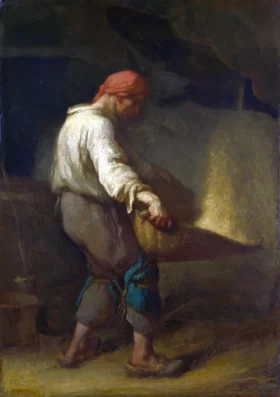
He achieved his first success in 1844 with The Milkmaid and a large pastel, The Riding Lesson, that has a sensual character typical of a large part of his production during the 1840s. In 1847 his first Salon success came with the exhibition of a painting Oedipus Taken down from the Tree, and in 1848 his Winnower was bought by the government.
The Captivity of the Jews in Babylon, Millet’s most ambitious work at the time, was unveiled at the Salon of 1848, but was scorned by art critics and the public alike. The painting eventually disappeared shortly thereafter, leading historians to believe that Millet destroyed it. In 1984, scientists at the Museum of Fine Arts in Boston x-rayed Millet’s 1870 painting The Young Shepherdess looking for minor changes, and discovered that it was painted over Captivity. It is now believed that Millet reused the canvas when materials were in short supply during the Franco-Prussian War.
In 1849, Millet painted Harvesters, a commission for the state. The peasant subjects, which from the early 1850s were to be Millet’s principal concern, made their first important appearance at the Salon of 1848 with The Winnower, later destroyed by fire. In the Salon of that year, he exhibited Shepherdess Sitting at the Edge of the Forest, a very small oil painting which marked a turning away from previous idealized pastoral subjects, in favor of a more realistic and personal approach. In June of that year, he settled in Barbizon, a small hamlet in the forest of Fontainebleau, with Catherine and their children.
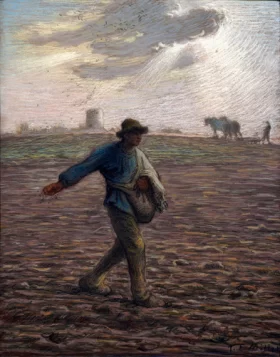
In 1850 Millet entered into an arrangement with Sensier, who provided the artist with materials and money in return for drawings and paintings, while Millet simultaneously was free to continue selling work to other buyers as well. At that year’s Salon, he exhibited Haymakers and The Sower, his first major masterpiece and the earliest of the iconic trio of paintings that included The Gleaners and The Angelus.
From 1850 to 1853, Millet worked on Harvesters Resting (Ruth and Boaz), a painting he considered his most important, and on which he worked the longest. Conceived to rival his heroes Michelangelo and Poussin, it was also the painting that marked his transition from the depiction of symbolic imagery of peasant life to that of contemporary social conditions. It was the only painting he ever dated, and was the first work to garner him official recognition, a second-class medal at the 1853 salon. In the mid-1850s, Millet produced a small number of etchings of peasant subjects, such as Man with a Wheelbarrow (1855) and Woman Carding Wool (1855–1857).
While Millet was walking the fields around Barbizon, one theme returned to his pencil and brush for seven years—gleaning—the centuries-old right of poor women and children to remove the bits of grain left in the fields following the harvest. He found the theme an eternal one, linked to stories from the Old Testament. In 1857, he submitted the painting The Gleaners, one of the most well known of Millet’s paintings to the Salon to an unenthusiastic, even hostile, public.
During the summer of 1857 Millet completed the painting Prayer for the Potato Crop later changed to The Angelus when the purchaser failed to take possession of it in 1859, it was commissioned by Thomas Gold Appleton, an American art collector based in Boston, Massachusetts. Upon Millet’s death a decade later, a bidding war between the US and France ensued, ending some years later with a price tag of 800,000 gold francs. The disparity between the apparent value of the painting and the poor estate of Millet’s surviving family was a major impetus in the invention of the droit de suite, intended to compensate artists or their heirs when works are resold.
By the mid-1860s, Millet’s work was beginning to be in demand. Official recognition came in 1868, after nine major paintings had been shown in 1867 at the Exposition Universelle hosted a major showing of his work, with The Gleaners, Angelus, and Potato Planters among the paintings exhibited. The following year, Frédéric Hartmann commissioned Four Seasons for 25,000 francs, and Millet was named Chevalier de la Légion d’Honneur.
In 1870, Millet was elected to the Salon jury. Later that year, he and his family fled the Franco-Prussian War, moving to Cherbourg and Gréville, and did not return to Barbizon until late in 1871. His last years were marked by financial success and increased official recognition, but he was unable to fulfill government commissions due to failing health. On January 3, 1875, he married Catherine in a religious ceremony. Millet died on January 20, 1875.
Millet was an important source of inspiration for Vincent Van Gogh, particularly during his early period. Millet and his work are mentioned many times in Vincent’s letters to his brother Theo. Millet’s late landscapes served as influential points of reference to Claude Monet’s paintings of the coast of Normandy; his structural and symbolic content influenced Georges Seurat as well.
Read more1–100/163개 결과 표시

Gleaners 1857
크기 시작 ₩344,829
The Angelus
크기 시작 ₩332,149
Cliffs of Gréville
크기 시작 ₩255,999
Hunting Birds at Night
크기 시작 ₩282,599Man with a Hoe
크기 시작 ₩309,159
The Sheepfold, Moonlight
크기 시작 ₩266,599
Harvestors Resting
크기 시작 ₩379,419
The Sower
크기 시작 ₩300,189
Peasant Spreading Manure
크기 시작 ₩320,059
Potato Planters
크기 시작 ₩300,189
The Potato Harvest
크기 시작 ₩305,079
Noonday Rest
크기 시작 ₩341,799Dandelions
크기 시작 ₩283,479
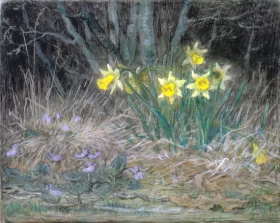
Daffodils and violets 1867
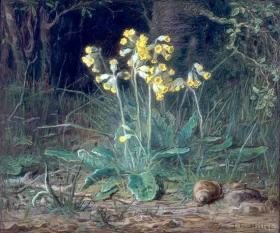
크기 시작 ₩286,989Primroses
크기 시작 ₩279,969
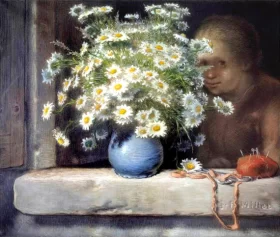
Bouquet of Daisies
크기 시작 ₩250,169
The Winnower
크기 시작 ₩299,649
The washerwoman
크기 시작 ₩316,089
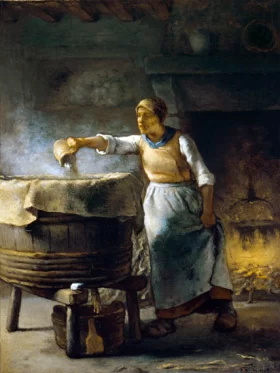
Churning Butter
크기 시작 ₩355,719
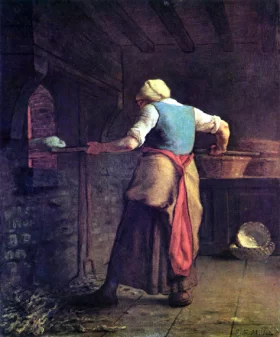
A Woman Baking Bread
크기 시작 ₩272,359
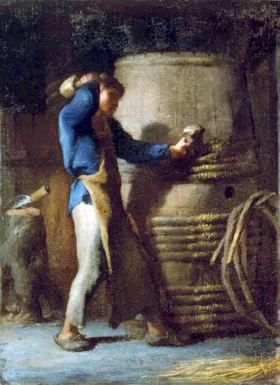
Cooper Tightening Staves On a Barrel
크기 시작 ₩320,059
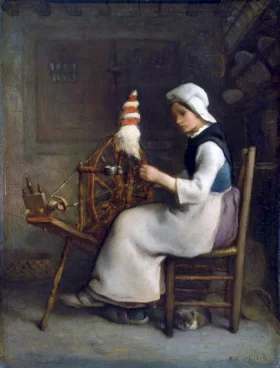
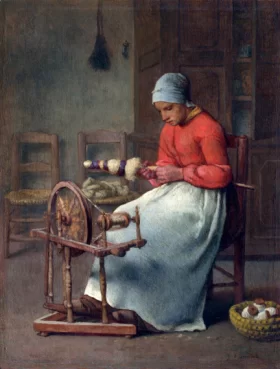
Seated Spinner
크기 시작 ₩312,119
Standing Spinner
크기 시작 ₩327,989
The Knitting Lesson 1869
크기 시작 ₩300,189
The Young Seamstresses
크기 시작 ₩320,059
The Knitting Lesson 1860
크기 시작 ₩308,139
Woman Sewing by Lamplight
크기 시작 ₩300,189
Woman Spinning
크기 시작 ₩312,119
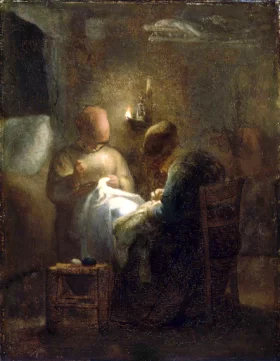
Women Sewing By Lamplight (La Veillée)
크기 시작 ₩308,139Baby’s Slumber 1855
크기 시작 ₩300,189
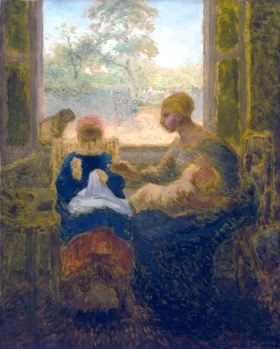
Sewing Lesson
크기 시작 ₩304,169Woman and Child (Silence)
크기 시작 ₩296,219
Young Girl Guarding Her Sheep
크기 시작 ₩320,059
The Young Shepherdess
크기 시작 ₩331,949
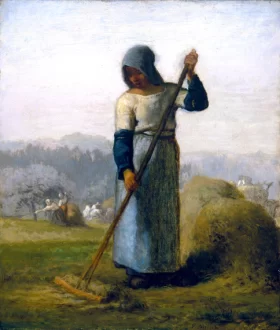
Woman with a Rake
크기 시작 ₩292,239
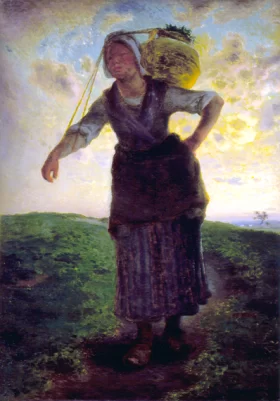
A Norman Milkmaid at Gréville
크기 시작 ₩299,649Il Ritorno Dalla Fattoria
크기 시작 ₩282,599Calling Home the Cattle
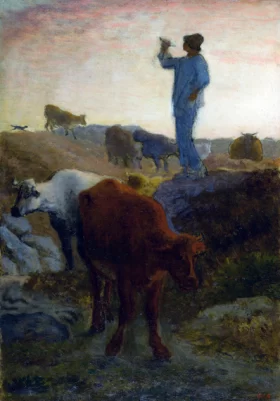
크기 시작 ₩299,649
Calling the Cows Home
크기 시작 ₩303,049
Calling Home the Cows 1866
크기 시작 ₩292,829
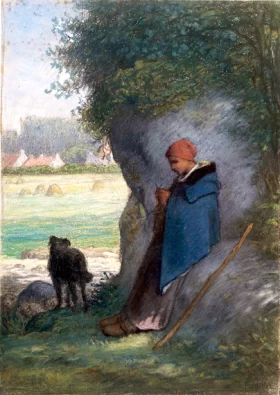
A Shepherdess and her Flock In the Shade of Trees
크기 시작 ₩292,829
Le Passage Des Oies Sauvages
크기 시작 ₩279,189
Petite Bergère Tricotant
으로 프랑수와 밀레크기 시작 ₩292,829
Seated Shepherdess
으로 프랑수와 밀레크기 시작 ₩300,189
Twilight
으로 프랑수와 밀레크기 시작 ₩282,599
Falling Leaves 1866
으로 프랑수와 밀레크기 시작 ₩272,939
Newborn Lamb
으로 프랑수와 밀레크기 시작 ₩292,239
A Shepherdess and her Flock
으로 프랑수와 밀레크기 시작 ₩317,329
Shepherdess with her Flock and Dog
으로 프랑수와 밀레크기 시작 ₩292,829
Return of the Flock
으로 프랑수와 밀레크기 시작 ₩293,999
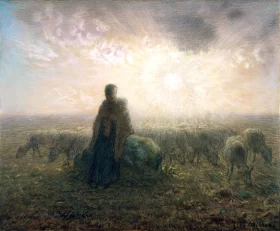
Shepherdess and her Flock
으로 프랑수와 밀레크기 시작 ₩286,009
Shepherdess
으로 프랑수와 밀레크기 시작 ₩297,509The Keeper of the Herd
으로 프랑수와 밀레크기 시작 ₩282,599Shepherd Tending his Flock
으로 프랑수와 밀레크기 시작 ₩283,479Shepherdess and Flock at Sunset
으로 프랑수와 밀레크기 시작 ₩279,969Shepherdess Returning with her Flock
으로 프랑수와 밀레크기 시작 ₩275,769
Shepherdess Knitting, Outside the Village of Barbizon
으로 프랑수와 밀레크기 시작 ₩296,239
Shepherdess Seated In the Shade
으로 프랑수와 밀레크기 시작 ₩292,239
Shepherdess Seated On a Rock
으로 프랑수와 밀레크기 시작 ₩308,139
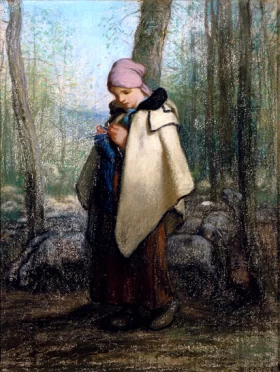
The Knitting Shepherdess
으로 프랑수와 밀레크기 시작 ₩312,119
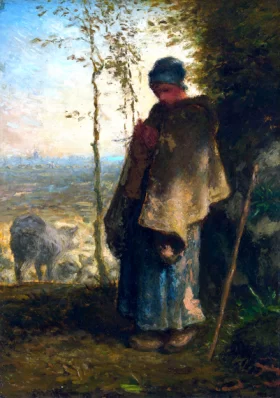
The Little Shepherdess
으로 프랑수와 밀레크기 시작 ₩299,649
The Sheepshearers
으로 프랑수와 밀레크기 시작 ₩320,069
Shearing Sheep
으로 프랑수와 밀레크기 시작 ₩367,579
Peasant Girl Returning from the Well 1860
으로 프랑수와 밀레크기 시작 ₩331,949
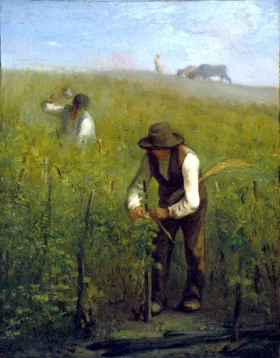
In the Vineyard
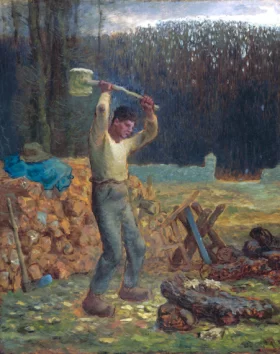
으로 프랑수와 밀레크기 시작 ₩308,139The Woodchopper
으로 프랑수와 밀레크기 시작 ₩304,169
Shepherdess and Her Flock At Nightfall
으로 프랑수와 밀레크기 시작 ₩327,989
Shepherdess Leaning On her Staff
으로 프랑수와 밀레크기 시작 ₩316,089
Shepherdess Sitting at the Edge of the Forest
으로 프랑수와 밀레크기 시작 ₩312,119The Return of the Fields
으로 프랑수와 밀레크기 시작 ₩326,519
Going to Work
으로 프랑수와 밀레크기 시작 ₩300,189The Sleeping Seamstress
으로 프랑수와 밀레크기 시작 ₩300,189
Spring (Daphnis and Chloë) 1865
으로 프랑수와 밀레크기 시작 ₩375,479
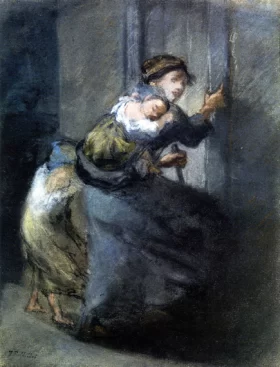
Retreat From the Storm
으로 프랑수와 밀레크기 시작 ₩296,219L’Amour Vainqueur
으로 프랑수와 밀레크기 시작 ₩326,519La Becquée
으로 프랑수와 밀레크기 시작 ₩300,189Woman and Child In a Landscape
으로 프랑수와 밀레크기 시작 ₩326,519
Mother and Two Infants
으로 프랑수와 밀레크기 시작 ₩312,119Le Chat or the Cat At the Window
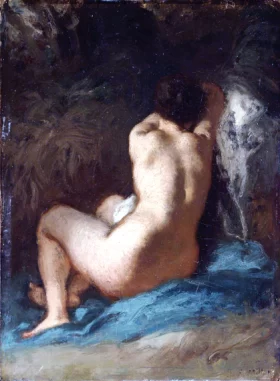
으로 프랑수와 밀레크기 시작 ₩275,769Seated Nude
으로 프랑수와 밀레크기 시작 ₩292,829
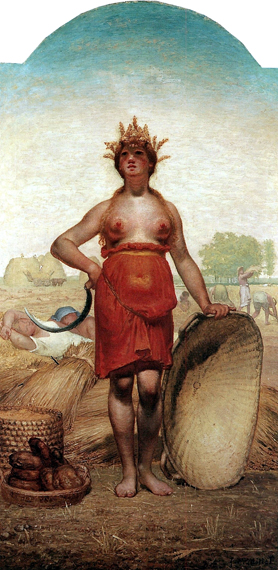
Ceres (Or the Summer)
으로 프랑수와 밀레크기 시작 ₩424,899
Oedipus Taken Down from the Tree 1847
으로 프랑수와 밀레크기 시작 ₩379,419
Morning Toilette
으로 프랑수와 밀레크기 시작 ₩303,049
Peasant Family
으로 프랑수와 밀레크기 시작 ₩349,409
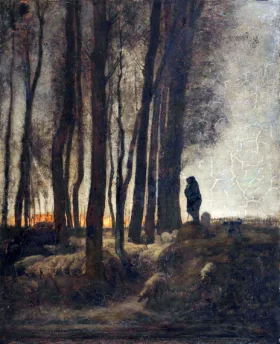
Shepherd and Flock at the Edge of the Forest, Evening
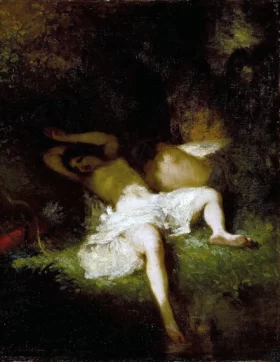
으로 프랑수와 밀레크기 시작 ₩249,609Diana Resting 1845
으로 프랑수와 밀레크기 시작 ₩308,139
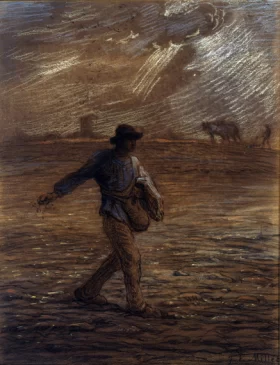
The Sower 1865
으로 프랑수와 밀레크기 시작 ₩308,139
The Sower 1
으로 프랑수와 밀레크기 시작 ₩312,119
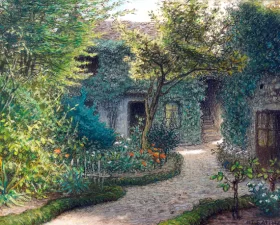
Théodore Rousseau’s House In Barbizon
으로 프랑수와 밀레크기 시작 ₩252,439
Le Grand Frère
으로 프랑수와 밀레크기 시작 ₩258,099
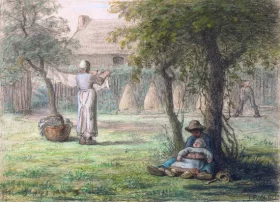
Woman Hanging Laundry 1858
으로 프랑수와 밀레크기 시작 ₩296,239
Vineyard Labourer Resting
으로 프랑수와 밀레크기 시작 ₩300,989
End of the Hamlet of Gruchy
으로 프랑수와 밀레크기 시작 ₩255,999
Le Puy De Dôme
으로 프랑수와 밀레크기 시작 ₩272,359The Church at Chailly
으로 프랑수와 밀레크기 시작 ₩255,999The Goose Girl
으로 프랑수와 밀레크기 시작 ₩300,189Washerwoman
으로 프랑수와 밀레크기 시작 ₩283,479
Priory at Vauville, Normandy
으로 프랑수와 밀레크기 시작 ₩258,099
Waiting
으로 프랑수와 밀레크기 시작 ₩331,949
La Fin De La Journée; Effect Du Soir
으로 프랑수와 밀레크기 시작 ₩300,189