사이트 전체 5% 할인 | 결제 시 KMKR5 코드를 사용하세요.
- Choose your Country

사이트 전체 5% 할인 | 결제 시 KMKR5 코드를 사용하세요.
카지미르 말레비치
Kasimir Severinovich Malevich was born near Kiev, Kiev Governorate of Russian Empire. His parents, Seweryn and Ludwika Malewicz, were ethnic Poles, and he was baptised in the Roman Catholic Church. His father was the manager of a sugar factory. Kazimir was the first of fourteen children, although only nine of the children survived into adulthood. His family moved often and he spent most of his childhood in the villages of Ukraine amidst sugar-beet plantations, far from centers of culture. Until age 12 or 13 he knew nothing of professional artists, though peasant art had surrounded him in childhood. He delighted in peasant embroidery, and in decorated walls and stoves. He himself was able to paint in the peasant style. He studied drawing in Kiev from 1895 to 1896.
In 1904, after the death of his father, he moved to Moscow. He studied at the Moscow School of Painting, Sculpture and Architecture from 1904 to 1910 and in the studio of Fedor Rerberg in Moscow (1904-1910). In 1911 he participated in the second exhibition of the grop Soyuz Molodyozhi (Union of Youth) in St. Petersburg, together with Vladimir Tatlin and, in 1912, the group held its third exhibition, which included works by Aleksandra Ekster, Tatlin and others. In the same year he participated in an exhibition by the collective Donkey’s Tail in Moscow. By that time his works were influenced by Natalia Goncharova and Mikhail Larionov, Russian avant-garde painters who were particularly interested in Russian folk art called lubok. In March 1913 a major exhibition of Aristarkh Lentulov’s paintings opened in Moscow. The effect of this exhibition was comparable with that of Paul Cezanne in Paris in 1907, as all the main Russian avant-garde artists of the time (including Malevich) immediately absorbed the cubist principles and began using them in their works. Already in the same year the Cubo-Futurist opera Victory Over the Sun with Malevich’s stage-set became a great success. In 1914 Malevich exhibited his works in the Salon des Independants in Paris together with Alexander Archipenko, Sonia Delaunay, Aleksandra Ekster and Vadim Meller, among others.
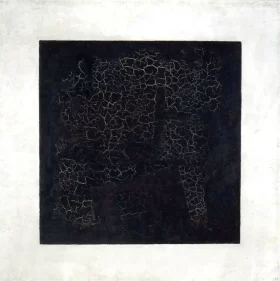
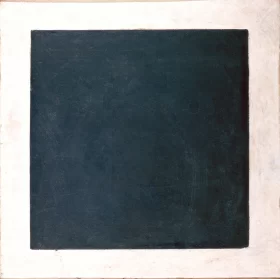
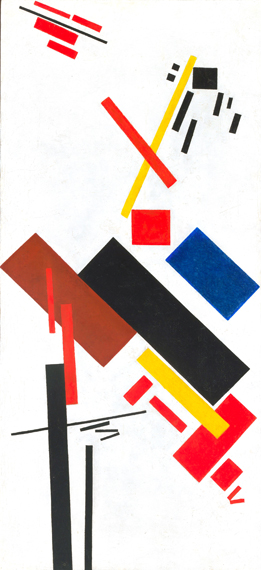
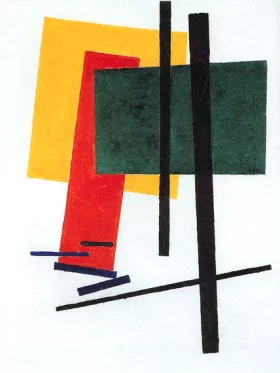
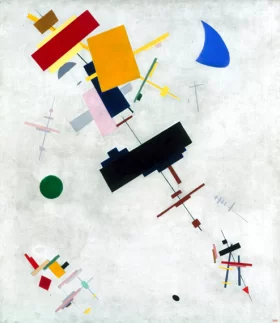
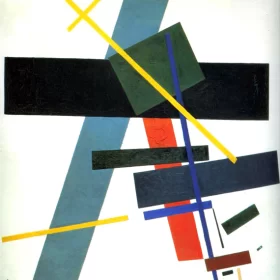
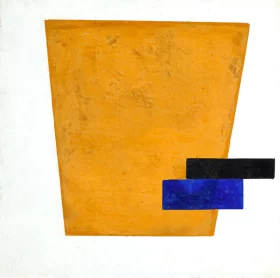
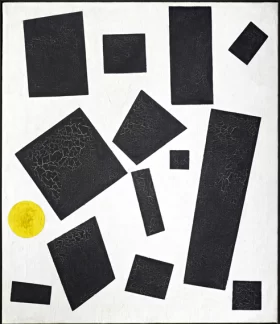
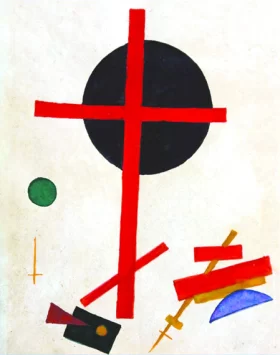
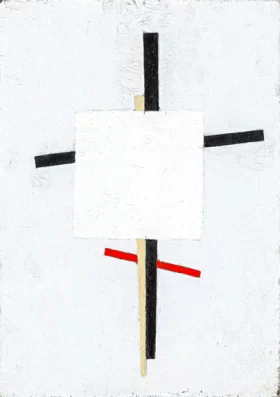
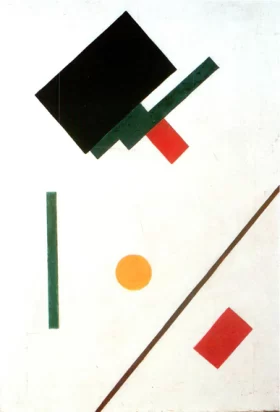
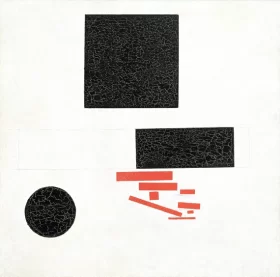
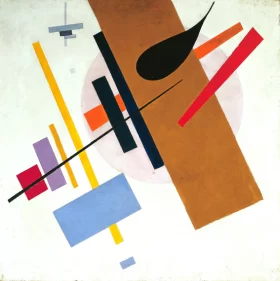
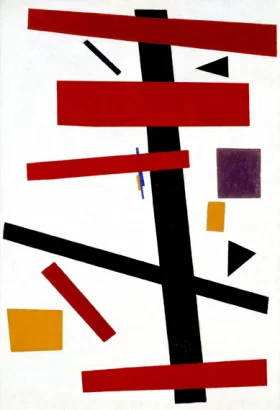
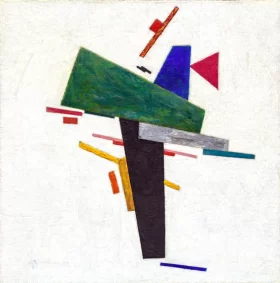
It remains one of the great mysteries of 20th century art, how, while leading a comfortable career, during which he just followed all the latest trends in art, in 1915 Malevich suddenly came up with the idea of Suprematism. The fact that Malevich throughout all his life was signing and re-signing his works using earlier dates makes this u-turn in his artistic career even more ambiguous. Be that as it may, in 1915 he published his manifesto From Cubism to Suprematism. In 1915-1916 he worked with other Suprematist artists in a peasant/artisan co-operative in Skoptsi and Verbovka village. In 1916-1917 he participated in exhibitions of the Jack of Diamonds group in together with Nathan Altman, David Burliuk and A. Ekster, among others. Famous examples of his Suprematist works include Black Square (1915) and White on White (1918).
Malevich also acknowledged that his fascination with aerial photography and aviation led him to abstractions inspired by or derived from aerial landscapes. Harvard doctoral candidate Julia Bekman Chadaga writes: “In his later writings, Malevich defined the ‘additional element’ as the quality of any new visual environment bringing about a change in perception …. In a series of diagrams illustrating the ‘environments’ that influence various painterly styles, the Suprematist is associated with a series of aerial views rendering the familiar landscape into an abstraction…” (Excerpted from Ms. Bekman Chadaga’s paper delivered at Columbia University’s 2000 symposium, Technology, and Modernity in Russia and Eastern Europe’).
After the October Revolution, Malevich became a member of the Collegium on the Arts of Narkompros, the commission for the protection of monuments and the museums commission (all from 1918-1919). He taught at the Vitebsk Practical Art School in the USSR (now part of Belarus) (1919-1922), the Leningrad Academy of Arts (1922-1927), the Kiev State Art Institute (1927-1929), and the House of the Arts in Leningrad (1930). He wrote the book The World as Non-Objectivity (Munich 1926; English trans. 1959) which outlines his Suprematist theories.
In 1927, he traveled to Warsaw and then to Berlin and Munchen for a retrospective which finally brought him international recognition. He arranged to leave most of the paintings behind when he returned to the Soviet Union. Malevich’s assumption that a shifting in the attitudes of the Soviet authorities towards the modernist art movement would take place after the death of Lenin and Trotsky’s fall from power, were proven correct in a couple of years, when the Stalinist regime turned against formes of abstractism, considering them a type of “bourgeois” art, that could not express social realities. As a consequence, many of his works were confiscated and he was banned from creating and exhibiting similar art.
Critics derided Malevich for reaching art by negating everything good and pure: love of life and love of nature. The Westernizer artist and art historian Alexandre Benois was one such critic. Malevich responded that art can advance and develop for art’s sake alone, regardless of its pleasure: art does not need us, and it never needed us since stars first shone in the sky.
Malevich’s work only recently reappeared in art exhibitions in Russia after a long absence. Since then art followers have labored to reintroduce the artist to Russian lovers of painting. A book of his theoretical works with an anthology of reminiscences and writings has been published. Many stains on his reputation in Russia remain, however. Recently Ukrainian art followers established the precise birthdate of the artist: February 23, 1879. Malevich and Ukraine, by professor D. Gorbachev, 2006, Kiev, reveals many new biographical details.
Malevich died of cancer in Leningrad on May 15, 1935. On his deathbed he was exhibited with the black square above him. His ashes were sent to Nemchinovka, and buried in a field near his dacha. A white cube decorated with a black square was placed on his tomb. The city on Leningrad bestowed a pension on Malevich’s mother and daughter. “No phenomenon is mortal,” Malevich wrote in an unpublished manuscript, “and this means not only the body but the idea as well, a symbol that one is eternally reincarnated in another form which actually exists in the conscious and unconscious person.”
Read more1–100/146개 결과 표시

Suprematism, 1915
으로 카지미르 말레비치크기 시작 ₩249,609
Black Square (Black Suprematic Square) 1915
으로 카지미르 말레비치크기 시작 ₩226,959
Black Square
으로 카지미르 말레비치크기 시작 ₩226,959
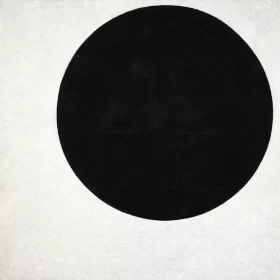
Black Circle, 1923
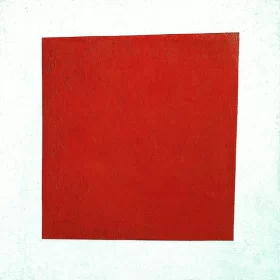
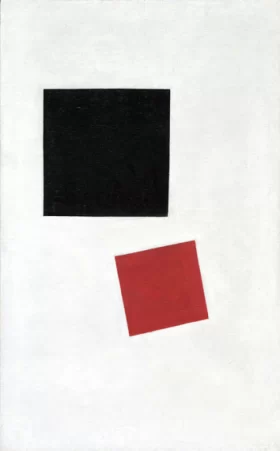
으로 카지미르 말레비치크기 시작 ₩226,959Red Square – Visual Realism of a Peasant Woman in Two Dimensions 1915
으로 카지미르 말레비치크기 시작 ₩232,699
Painterly Realism of a Boy with a Knapsack – Color Masses in the Fourth Dimension 1915
으로 카지미르 말레비치크기 시작 ₩286,419
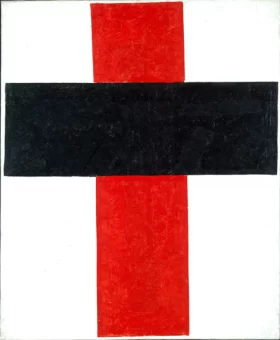
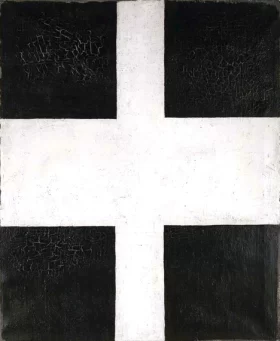
Hieratic Suprematist Cross 1920
으로 카지미르 말레비치크기 시작 ₩246,779Suprematist composition 1916
으로 카지미르 말레비치크기 시작 ₩226,959
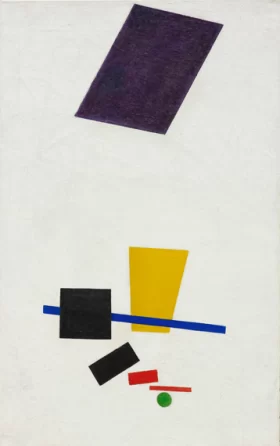
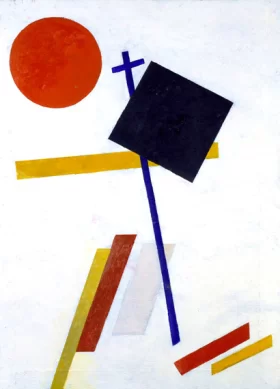
Suprematist Composition- Airplane Flying 1915
으로 카지미르 말레비치크기 시작 ₩246,779
Painterly Realism of a Football Player – Color Masses in the 4th Dimension 1915
으로 카지미르 말레비치크기 시작 ₩286,419
Suprematism. (Supremus 58. Yellow and Black) 1916
으로 카지미르 말레비치크기 시작 ₩241,109
Suprematism 1917
으로 카지미르 말레비치크기 시작 ₩266,599White on White 1918
으로 카지미르 말레비치크기 시작 ₩226,959
House under construction
으로 카지미르 말레비치크기 시작 ₩353,099
Suprematism 1915
으로 카지미르 말레비치크기 시작 ₩260,929
Suprematism 1915
으로 카지미르 말레비치크기 시작 ₩241,109Suprematism 1916
으로 카지미르 말레비치크기 시작 ₩226,959
Supematise Composition with Plane in Projection 1915
으로 카지미르 말레비치크기 시작 ₩226,959Suprematism – Non-Objective Composition, 1915
으로 카지미르 말레비치크기 시작 ₩226,959
Suprematism 1915
으로 카지미르 말레비치크기 시작 ₩243,939
Suprematism No 65, 1915
으로 카지미르 말레비치크기 시작 ₩252,439
Suprematism of the Spirit, 1919
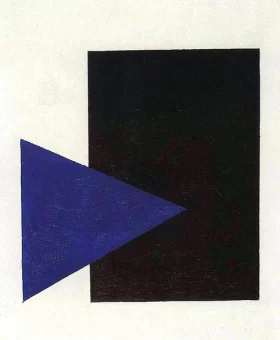
으로 카지미르 말레비치크기 시작 ₩269,429Suprematism with Blue Triangle and Black Square 1915
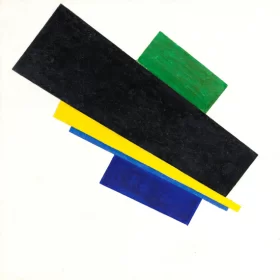
으로 카지미르 말레비치크기 시작 ₩249,609Suprematism, 18th Construction 1915
으로 카지미르 말레비치크기 시작 ₩226,959
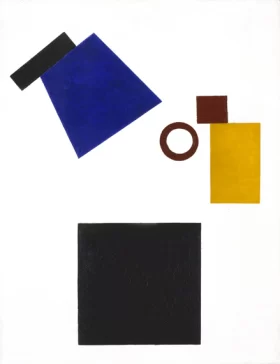
Suprematism. Two-Dimensional Self-Portrait 1915
으로 카지미르 말레비치크기 시작 ₩255,269
Suprematism
으로 카지미르 말레비치크기 시작 ₩266,599
Suprématisme, 1915
으로 카지미르 말레비치크기 시작 ₩275,089
Suprematist Composition 1915
으로 카지미르 말레비치크기 시작 ₩252,439
Suprematist Composition 1915
으로 카지미르 말레비치크기 시작 ₩226,959
Suprematist painting (with black trapezium and red square) 1915
으로 카지미르 말레비치크기 시작 ₩289,249
Suprematist Painting
으로 카지미르 말레비치크기 시작 ₩275,089Supremus No. 55 1916
으로 카지미르 말레비치크기 시작 ₩226,959
Supremus No. 67 1928
으로 카지미르 말레비치크기 시작 ₩266,599
Supremus No.50
으로 카지미르 말레비치크기 시작 ₩272,259
Untitled 1916
으로 카지미르 말레비치크기 시작 ₩226,959
Untitled
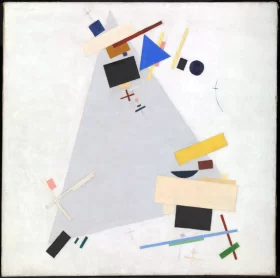
으로 카지미르 말레비치크기 시작 ₩260,929Dynamic Suprematism 1916
으로 카지미르 말레비치크기 시작 ₩226,959
Eight Red Rectangles 1915
으로 카지미르 말레비치크기 시작 ₩243,939Black and White, Suprematist Composition
으로 카지미르 말레비치크기 시작 ₩226,959
Black circle 1915
으로 카지미르 말레비치크기 시작 ₩303,419
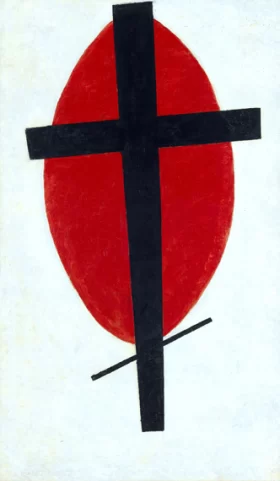
Mystic Suprematism (black cross on red oval)
으로 카지미르 말레비치크기 시작 ₩297,749
Quadrilateral and the circle 1915
으로 카지미르 말레비치크기 시작 ₩269,429
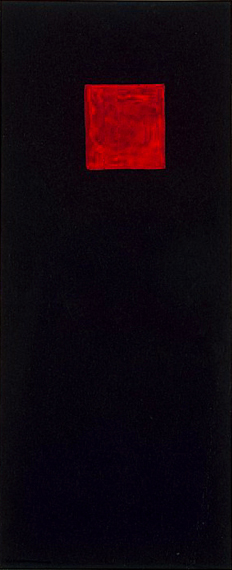
Red square on black background 1922
으로 카지미르 말레비치크기 시작 ₩381,439
Suprematismo, 1916
으로 카지미르 말레비치크기 시작 ₩387,109
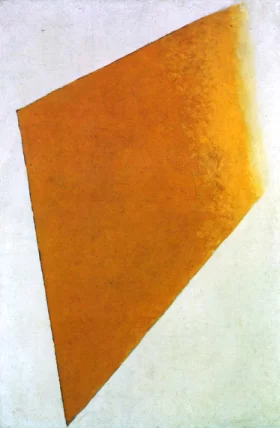
Yellow Plane in Dissolution 1917
으로 카지미르 말레비치크기 시작 ₩277,929
Dissolution of a Plane 1917
으로 카지미르 말레비치크기 시작 ₩294,919
Pictorial Masses in Two Dimensions in a State of Rest 1915
으로 카지미르 말레비치크기 시작 ₩226,959
Untitled 1939
으로 카지미르 말레비치크기 시작 ₩249,609
Englishman in Moscow 1914
으로 카지미르 말레비치크기 시작 ₩280,759The Knife Grinder 1913
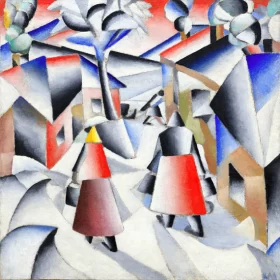
으로 카지미르 말레비치크기 시작 ₩226,959Morning in the Village after Snowstorm 1912
으로 카지미르 말레비치크기 시작 ₩226,959Woman with Pails- Dynamic Arrangement 1912
으로 카지미르 말레비치크기 시작 ₩226,959
Woodcutter 1912
으로 카지미르 말레비치크기 시작 ₩258,099
Portrait of Ivan Kliun 1913
으로 카지미르 말레비치크기 시작 ₩280,759
The lady at the piano 1913
으로 카지미르 말레비치크기 시작 ₩277,929
Head of a Peasant Girl 1913
으로 카지미르 말레비치크기 시작 ₩243,939
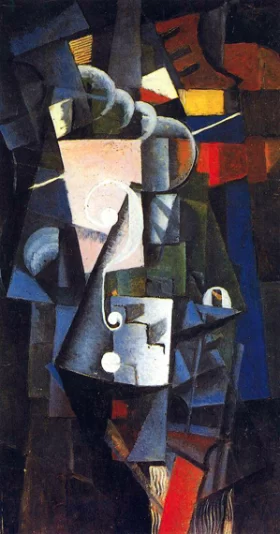
Samovar 1913
으로 카지미르 말레비치크기 시작 ₩266,599
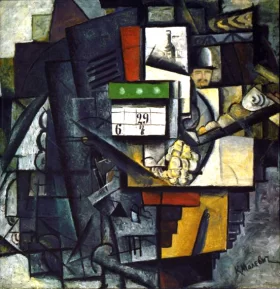
Aviator 1914
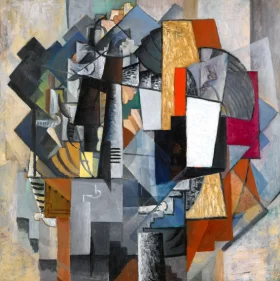
으로 카지미르 말레비치크기 시작 ₩333,259Bureau and Room 1913
으로 카지미르 말레비치크기 시작 ₩226,959
Living in a big hotel 1914
으로 카지미르 말레비치크기 시작 ₩275,089
Vanity Box 1913
으로 카지미르 말레비치크기 시작 ₩327,589Portrait of Mikhail Matjuschin 1913
으로 카지미르 말레비치크기 시작 ₩226,959
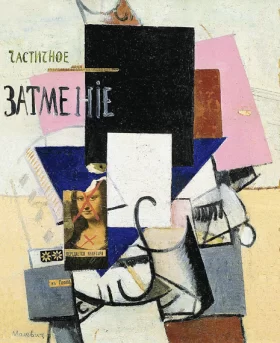
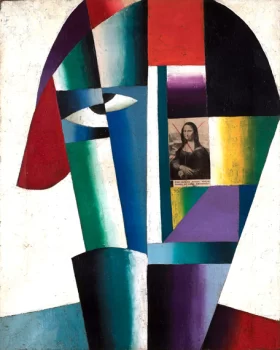
Composition with the Mona Lisa, 1914
으로 카지미르 말레비치크기 시작 ₩249,609
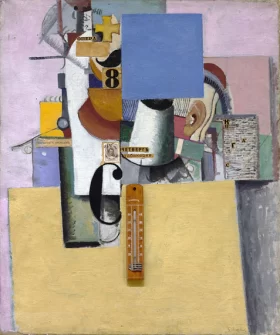
Reservist of the First Division 1914
으로 카지미르 말레비치크기 시작 ₩246,779
Lady on a Tram Station 1913
으로 카지미르 말레비치크기 시작 ₩229,789
Workers of all countries unite!
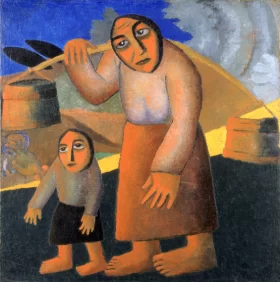
으로 카지미르 말레비치크기 시작 ₩255,269Peasant Woman with Buckets and Child
으로 카지미르 말레비치크기 시작 ₩226,959
Reaper
으로 카지미르 말레비치크기 시작 ₩229,789
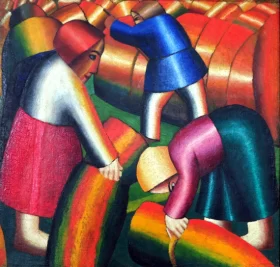
Taking in the Harvest II 1912
으로 카지미르 말레비치크기 시작 ₩232,619
untitled
으로 카지미르 말레비치크기 시작 ₩252,439
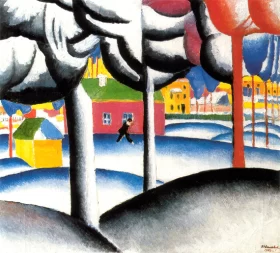
Winter landscape
으로 카지미르 말레비치크기 시작 ₩238,279
Girls in the Fields 1932
으로 카지미르 말레비치크기 시작 ₩246,779
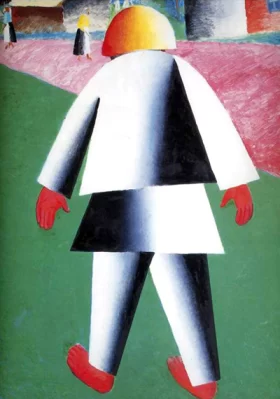
Boy
으로 카지미르 말레비치크기 시작 ₩269,429
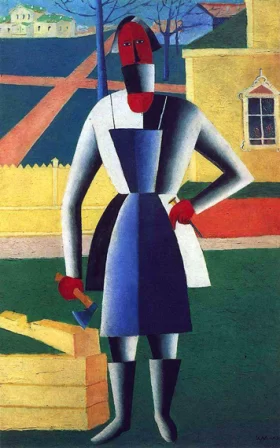
Carpenter 1929
으로 카지미르 말레비치크기 시작 ₩286,419
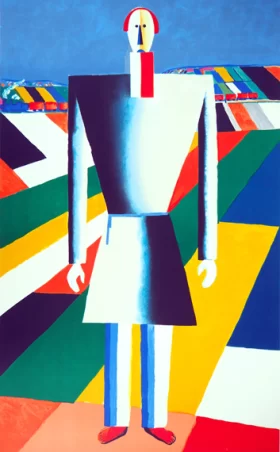
Man in the Fields
으로 카지미르 말레비치크기 시작 ₩289,249
Mower
으로 카지미르 말레비치크기 시작 ₩297,749
To the Field II (Marthe and Jeannot)
으로 카지미르 말레비치크기 시작 ₩260,929
untitled
으로 카지미르 말레비치크기 시작 ₩277,929
Haymaking 1929
으로 카지미르 말레비치크기 시작 ₩255,269
Complex Presentiment- Half-Figure in Yellow Shirt 1931
으로 카지미르 말레비치크기 시작 ₩258,099
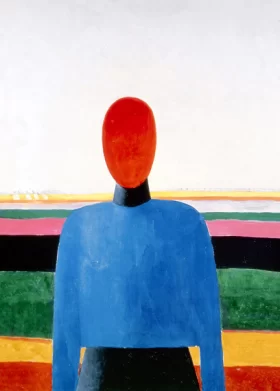
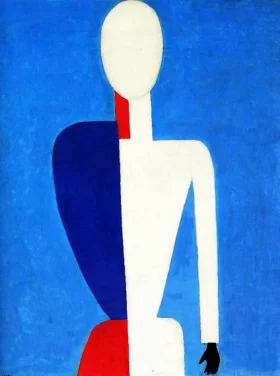
Female Torso, 1933
으로 카지미르 말레비치크기 시작 ₩266,599
Harvesting 1929
으로 카지미르 말레비치크기 시작 ₩269,429
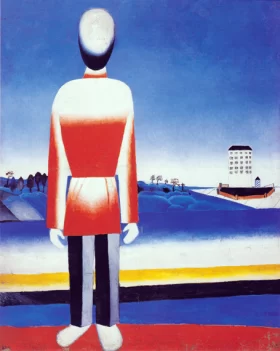
Man in a suprematic landscape
으로 카지미르 말레비치크기 시작 ₩252,439
On Vacation
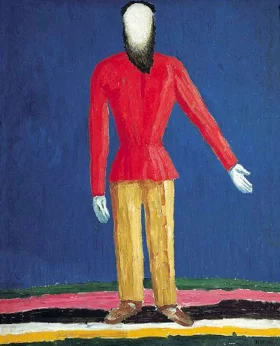
으로 카지미르 말레비치크기 시작 ₩275,089Peasant 1932
으로 카지미르 말레비치크기 시작 ₩249,609
Torso
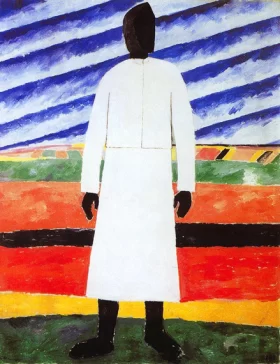
으로 카지미르 말레비치크기 시작 ₩260,929Peasant Woman 1930
으로 카지미르 말레비치크기 시작 ₩255,269
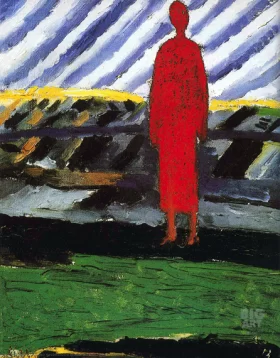
Red Figure 1928
으로 카지미르 말레비치크기 시작 ₩255,269
Woman Torso
으로 카지미르 말레비치크기 시작 ₩260,929Two Male Figures 1930
으로 카지미르 말레비치크기 시작 ₩252,439Woman with a rake 1928
으로 카지미르 말레비치크기 시작 ₩260,929Suprematist Figure 1932
으로 카지미르 말레비치크기 시작 ₩286,419
Three Girls 1932
으로 카지미르 말레비치크기 시작 ₩243,939
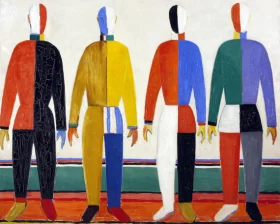
The Sportsmen
으로 카지미르 말레비치크기 시작 ₩252,439
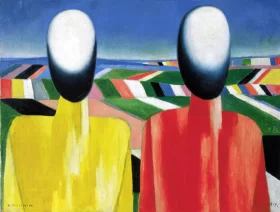
Peasants 1930
으로 카지미르 말레비치크기 시작 ₩264,739
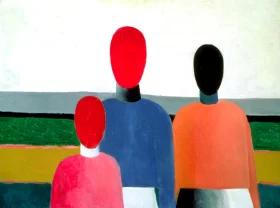
Three Woman Figures 1930
으로 카지미르 말레비치크기 시작 ₩267,649
Two figures in a landscape 1931
으로 카지미르 말레비치크기 시작 ₩249,609
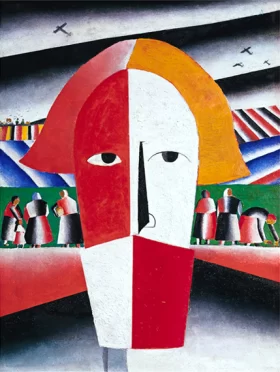
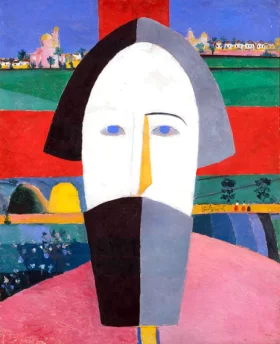
Head of a peasant
으로 카지미르 말레비치크기 시작 ₩260,929
Head of a Peasant
으로 카지미르 말레비치크기 시작 ₩249,609
Head
으로 카지미르 말레비치크기 시작 ₩275,089