5% rabatt bruk koden KMNO5 ved kassen
- Choose your Country

5% rabatt bruk koden KMNO5 ved kassen
Expressionism
Expressionism was a cultural movement originating in Germany at the start of the 20th-century as a reaction to positivism and other artistic movements such as naturalism and impressionism. It sought to express the meaning of «being alive» and emotional experience rather than physical reality. It is the tendency of an artist to distort reality for an emotional effect, it is a subjective art form.
Expressionism is exhibited in many art forms, including: painting, literature, theatre, film, architecture and music. The term often implies emotional angst. In a general sense, painters such as Matthias Grunewald and El Greco can be called expressionist, though in practice, the term is applied mainly to 20th century works.
Although it is used as a term of reference, there has never been a distinct movement that called itself «expressionism», apart from the use of the term by Herwarth Walden in his polemic magazine Der Sturm in 1912. The term is usually linked to paintings and graphic work in Germany at the turn of the century which challenged the academic traditions, particularly through the Die Brucke and Der Blaue Reiter groups. Philosopher Friedrich Nietzsche played a key role in originating modern expressionism by clarifying and serving as a conduit for previously neglected currents in ancient art.
In The Birth of Tragedy Nietzsche presented his theory of the ancient dualism between two types of aesthetic experience, namely the Apollonian and the Dionysian, a dualism between the plastic «art of sculpture», of lyrical dream-inspiration, identity (the principium individuationis), order, regularity, and calm repose, and, on the other hand, the non-plastic «art of music», of intoxication, forgetfulness, chaos, and the ecstatic dissolution of identity in the collective. The analogy with the world of the Greek gods typifies the relationship between these extremes: two godsons, incompatible and yet inseparable. According to Nietzsche, both elements are present in any work of art. The basic characteristics of expressionism are Dionysian: bold colours, distorted forms-in-dissolution, two-dimensional, without perspective.
More generally the term refers to art that expresses intense emotion. It is arguable that all artists are expressive but there is a long line of art production in which heavy emphasis is placed on communication through emotion. Such art often occurs during time of social upheaval, and through the tradition of graphic art there is a powerful and moving record of chaos in Europe from the 15th century on the Protestant Reformation, Peasants’ War, Eight Years’ War, Spanish Occupation of the Netherlands, the rape, pillage and disaster associated with countless periods of chaos and oppression are presented in the documents of the printmaker. Often the work is unimpressive aesthetically, but almost without exception has the capacity to move the viewer to strong emotions with the drama and often horror of the scenes depicted.
The term was also coined by Czech art historian Antonin Matejcek in 1910 as the opposite of impressionism: «An Expressionist wishes, above all, to express himself….(An Expressionist rejects) immediate perception and builds on more complex psychic structures…. Impressions and mental images that pass through mental peoples soul as through a filter which rids them of all substantial accretions to produce their clear essence […and] are assimilated and condense into more general forms, into types, which he transcribes through simple short-hand formulae and symbols.» (Gordon, 1987)
The movement primarily originated in Germany and Austria. There were a number of Expressionist groups in painting, including the Blaue Reiter and Die Brucke. The Der Blaue Reiter group was based in Munich and Die Brucke was based originally in Dresden (although some later moved to Berlin). Die Brucke was active for a longer period than Der Blaue Reiter which was only truly together for a year (1912). The Expressionists had many influences, among them Munch, Vincent van Gogh, and African art. They also came to know the work being done by the Fauves in Paris.
Influenced by the Fauves, Expressionism worked with arbitrary colors as well as jarring compositions. In reaction and opposition to French impressionism which focused on rendering the sheer visual appearance of objects, Expressionist artists sought to capture emotions and subjective interpretations: It was not important to reproduce an aesthetically pleasing impression of the artistic subject matter, the Expressonists focused on capturing vivid emotional reactions through powerful colors and dynamic compositions instead. The leader of Der Blaue Reiter, Kandinsky, would take this a step further. He believed that with simple colors and shapes the spectator could perceive the moods and feelings in the paintings, therefore he made the move to abstraction.
Expressionist imagery exploded into modern art from the subconscious. Its diverse formal means and emotional effects range from anguish to exuberance. As the powerful, personal creations of modern individuals, these images have little in common except their inventive power and their reliance upon a distinctly private vision.
In late 1939, at the beginning of World War II, New York welcomed a great number of leading European artists.
The heritage of their interest in the mythic realm of the unconscious would be continued-and extended-by another group of younger, New World artists-New York School.
American Expressionism and American Figurative Expressionism particularly the Boston figurative expressionism were an integral part of American modernism around the Second World War.
Major figurative Boston expressionists included: Karl Zerbe, Hyman Bloom, Jack Levine, David Aronson, Philip Guston. The Boston figurative expressionists post World War II were increasingly marginalized by the development of abstract expressionism centered in New York City.
Later in the 20th century, after World War II, figurative expressionism influenced worldwide a large number of artists and movements. Thomas B. Hess, wrote:
«the ‘New figurative painting’ which some have been expecting as a reaction against Abstract Expressionism was implicit in it at the start, and is one of its most lineal continuities.»
Read moreViser 1501–1600 av 1692 resultater

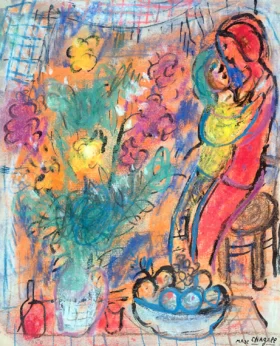
Conversation sous le bouquet
By Marc Chagall (Inspired by)Sizes starting at kr2.939
Le vase aux lilas
By Marc Chagall (Inspired by)Sizes starting at kr2.829
Les Bougies
By Marc Chagall (Inspired by)Sizes starting at kr2.689
Le Muguet
By Marc Chagall (Inspired by)Sizes starting at kr2.659
Le Grand Bouquet
By Marc Chagall (Inspired by)Sizes starting at kr2.779
Les Fiancés
By Marc Chagall (Inspired by)Sizes starting at kr3.169
Pastorale
By Marc Chagall (Inspired by)Sizes starting at kr2.569
Bouquet de roses rouges
By Marc Chagall (Inspired by)Sizes starting at kr3.029
Danse au bouquet rouge
By Marc Chagall (Inspired by)Sizes starting at kr2.719
Etude pour «Les toits rouges»
By Marc Chagall (Inspired by)Sizes starting at kr2.739
Les deux bouquets
By Marc Chagall (Inspired by)Sizes starting at kr2.769
Roses
By Marc Chagall (Inspired by)Sizes starting at kr2.659
Bouquet d’arums
By Marc Chagall (Inspired by)Sizes starting at kr2.689
Bouquet de Paris
By Marc Chagall (Inspired by)Sizes starting at kr2.799
Bouquet Rouge au Quai D’anjou
By Marc Chagall (Inspired by)Sizes starting at kr2.969
À L’atelier
By Marc Chagall (Inspired by)Sizes starting at kr2.889The Circus
By Marc Chagall (Inspired by)Sizes starting at kr2.739
Le Bouffon
By Marc Chagall (Inspired by)Sizes starting at kr2.859Autour de la Flûte Enchantée
By Marc Chagall (Inspired by)Sizes starting at kr2.739
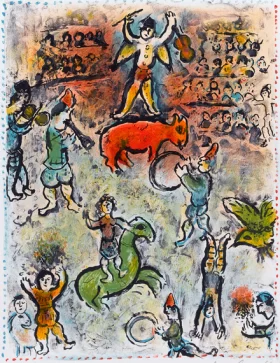
Autour Du «Cirque»
By Marc Chagall (Inspired by)Sizes starting at kr2.829
Bouquet aux Amoureux Entre Deux Rives
By Marc Chagall (Inspired by)Sizes starting at kr2.739
Esquisse Pour ‘Le Paysan’
By Marc Chagall (Inspired by)Sizes starting at kr2.969
Étude Pour le Mariage
By Marc Chagall (Inspired by)Sizes starting at kr3.079La Fenêtre
By Marc Chagall (Inspired by)Sizes starting at kr2.739Le Couple Bleu
By Marc Chagall (Inspired by)Sizes starting at kr2.739
Le Violoniste au Village
By Marc Chagall (Inspired by)Sizes starting at kr2.769Les fiancés au baldaquin
By Marc Chagall (Inspired by)Sizes starting at kr2.769
On Sundays
By Marc Chagall (Inspired by)Sizes starting at kr2.689
Paris Par le Fenêtre
By Marc Chagall (Inspired by)Sizes starting at kr2.429
Russian Village, Patterns
By Marc Chagall (Inspired by)Sizes starting at kr2.459
Sunset
By Marc Chagall (Inspired by)Sizes starting at kr2.719
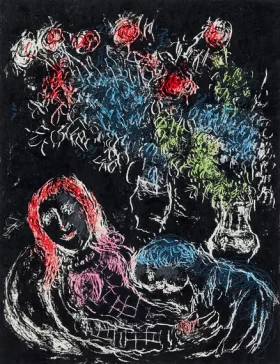
Amoureux dans bouquet rouge
By Marc Chagall (Inspired by)Sizes starting at kr2.769
Moïse devant le buisson ardent
By Marc Chagall (Inspired by)Sizes starting at kr2.769
Personnages de cirque
By Marc Chagall (Inspired by)Sizes starting at kr2.859
Scène de village en hiver
By Marc Chagall (Inspired by)Sizes starting at kr2.739L’hiver (La Pendule Ailée)
By Marc Chagall (Inspired by)Sizes starting at kr2.689
Estudo Do Vitral Juda
By Marc Chagall (Inspired by)Sizes starting at kr2.799
Vitraux Pour Jérusalem
By Marc Chagall (Inspired by)Sizes starting at kr2.799
Nude
By Marc Chagall (Inspired by)Sizes starting at kr2.829Nu à L’éventail
By Marc Chagall (Inspired by)Sizes starting at kr2.779
Le char à foin
By Marc Chagall (Inspired by)Sizes starting at kr2.739
Paysage au poisson bleu
By Marc Chagall (Inspired by)Sizes starting at kr2.769
Paysage vert
By Marc Chagall (Inspired by)Sizes starting at kr2.739
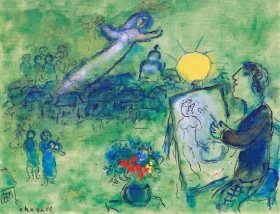
Le peintre et la chèvre
By Marc Chagall (Inspired by)Sizes starting at kr2.659The Prophet
By Marc Chagall (Inspired by)Sizes starting at kr2.739
La Tour Eiffel
By Marc Chagall (Inspired by)Sizes starting at kr2.799
A Day In May
By Marc Chagall (Inspired by)Sizes starting at kr3.079
Remembrance
By Marc Chagall (Inspired by)Sizes starting at kr2.909
Etude Pour ‘Le Poète à la Tête Renversée’
By Marc Chagall (Inspired by)Sizes starting at kr2.739
Étude Pour Autoportrait
By Marc Chagall (Inspired by)Sizes starting at kr2.799Le Rêve de L’homme au Profil Jaune
By Marc Chagall (Inspired by)Sizes starting at kr2.799Chagall, Kunsthaus Zürich 1950
By Marc Chagall (Inspired by)Sizes starting at kr2.829Circus Parade
By Marc Chagall (Inspired by)Sizes starting at kr2.719Couple aux Amaryllis
By Marc Chagall (Inspired by)Sizes starting at kr2.569
Double Profil
By Marc Chagall (Inspired by)Sizes starting at kr2.569
La Mariée au Collier
By Marc Chagall (Inspired by)Sizes starting at kr2.659
Le Christ Vert
By Marc Chagall (Inspired by)Sizes starting at kr2.829
Le Cirque – L’ecuyère
By Marc Chagall (Inspired by)Sizes starting at kr2.939
Le Nu
By Marc Chagall (Inspired by)Sizes starting at kr2.719Man With Samovar
By Marc Chagall (Inspired by)Sizes starting at kr2.999
Mère et Fille
By Marc Chagall (Inspired by)Sizes starting at kr2.539
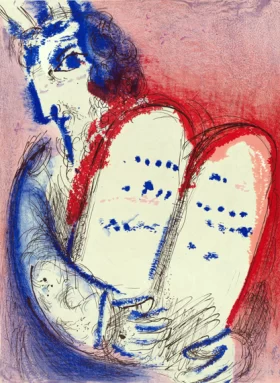
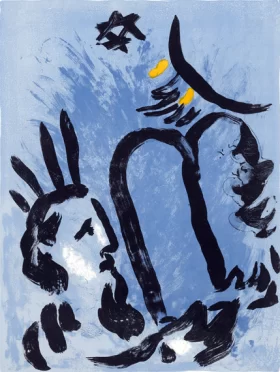
Moïse Avec Les Tables de la Loi et L’artiste
By Marc Chagall (Inspired by)Sizes starting at kr2.889
L’ange au violon
By Marc Chagall (Inspired by)Sizes starting at kr2.689
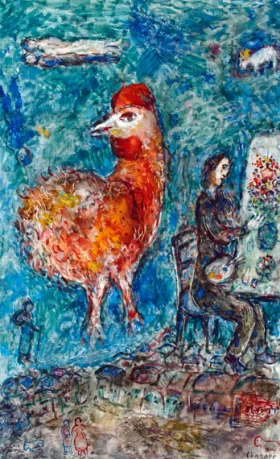
Le coq rouge et le peintre
By Marc Chagall (Inspired by)Sizes starting at kr3.059Le coq et le renard
By Marc Chagall (Inspired by)Sizes starting at kr2.539
Moses with the tablets of the law
By Marc Chagall (Inspired by)Sizes starting at kr2.799Couple Against A Black Background Ii
By Marc Chagall (Inspired by)Sizes starting at kr2.739
Le peintre au dessus du village
By Marc Chagall (Inspired by)Sizes starting at kr2.689
Moses
By Marc Chagall (Inspired by)Sizes starting at kr2.769
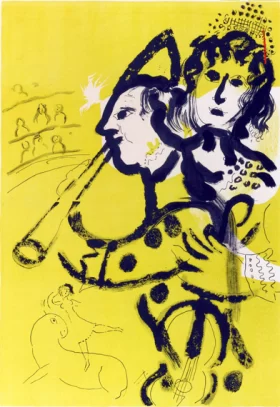
Musical Clown
By Marc Chagall (Inspired by)Sizes starting at kr2.889
Fables
By Marc Chagall (Inspired by)Sizes starting at kr2.659Fables
By Marc Chagall (Inspired by)Sizes starting at kr2.659Peasant With A Bouquet
By Marc Chagall (Inspired by)Sizes starting at kr2.829La Lecture
By Marc Chagall (Inspired by)Sizes starting at kr2.659
Femme pres de la fenetre
By Marc Chagall (Inspired by)Sizes starting at kr2.719Deux Bouquets et Couple
By Marc Chagall (Inspired by)Sizes starting at kr2.719Femme à L’arbre
By Marc Chagall (Inspired by)Sizes starting at kr2.739
Fête au Village
By Marc Chagall (Inspired by)Sizes starting at kr2.889
L’arlequin de Saint-Paul
By Marc Chagall (Inspired by)Sizes starting at kr3.029La Grande Corniche
By Marc Chagall (Inspired by)Sizes starting at kr2.569
Noce et Musique
By Marc Chagall (Inspired by)Sizes starting at kr3.059
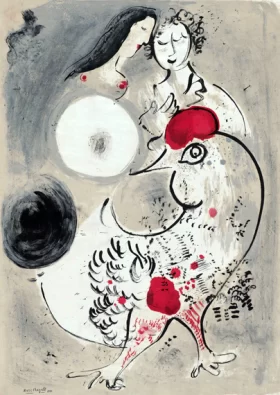
Nu au Coq
By Marc Chagall (Inspired by)Sizes starting at kr2.969Nu au Cyclamen, Gstaad
By Marc Chagall (Inspired by)Sizes starting at kr2.689Peasant With Violin
By Marc Chagall (Inspired by)Sizes starting at kr2.739
Le cavalier violet
By Marc Chagall (Inspired by)Sizes starting at kr2.889
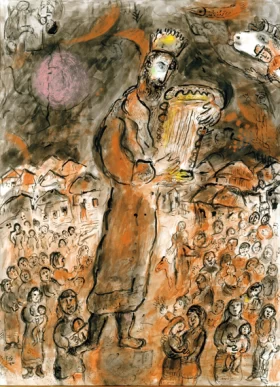
Le chant du Roi David
By Marc Chagall (Inspired by)Sizes starting at kr2.799
Autour Du Nu Sur Fond Jaune
By Marc Chagall (Inspired by)Sizes starting at kr2.829
Frontispiece
By Marc Chagall (Inspired by)Sizes starting at kr2.739Das Geschenk
By Marc Chagall (Inspired by)Sizes starting at kr2.799La Chèvre Rouge
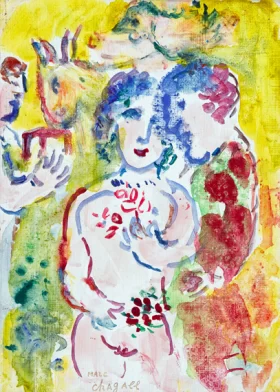
By Marc Chagall (Inspired by)Sizes starting at kr2.659Le Couple aux Fleurs
By Marc Chagall (Inspired by)Sizes starting at kr2.659
Le Clown Amoureux
By Marc Chagall (Inspired by)Sizes starting at kr2.769
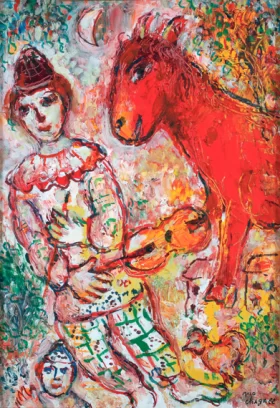
Le Clown Violoniste et L’âne Rouge
By Marc Chagall (Inspired by)Sizes starting at kr2.889Le Prétendant
By Marc Chagall (Inspired by)Sizes starting at kr2.739Les Amoureux à la Fenêtre
By Marc Chagall (Inspired by)Sizes starting at kr2.719Les Paysans
By Marc Chagall (Inspired by)Sizes starting at kr2.799Les Paysans
By Marc Chagall (Inspired by)Sizes starting at kr2.719
Poems
By Marc Chagall (Inspired by)Sizes starting at kr2.739Scène de Cirque Devant le Clown au Visage Bleu
By Marc Chagall (Inspired by)Sizes starting at kr2.799The Circus
By Marc Chagall (Inspired by)Sizes starting at kr2.739